Nature thriving
Once thought extinct, black-footed ferrets get a boost in Arizona
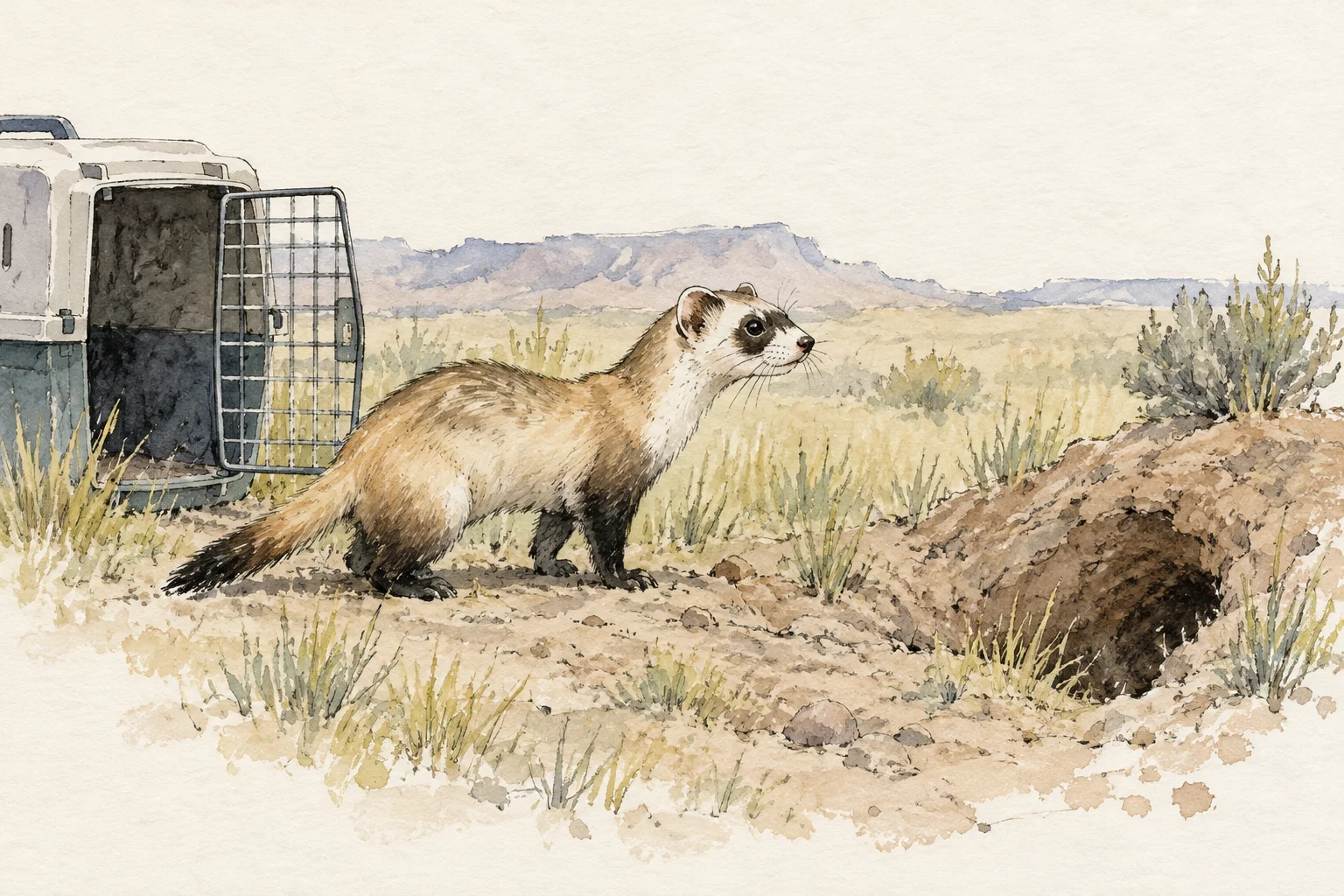
Captive-bred black-footed ferrets were released into northern Arizona on September 14, adding to an effort to rebuild wild populations of a species once thought extinct.
The animals travelled from the National Black-footed Ferret Conservation Center in Colorado. Before release, they practised hunting and other survival skills. Arizona wildlife specialists say the new arrivals should give males and females more opportunities to find mates and reproduce in spring.
The breeding programme is also getting reinforcements. Phoenix Zoo announced 34 young ferrets across seven litters, its most successful breeding year since 1999. Many are expected to go to the Colorado centre for survival training before eventual release.
This long recovery effort owes something to an unlikely discovery. In 1981, a Wyoming ranch dog named Shep brought home a dead black-footed ferret. Its identification led wildlife authorities to a surviving population, opening the way for captive breeding to help keep the species alive.
Recovery is far from assured. Habitat loss and disease drove the decline, and sylvatic plague, a flea-borne bacterial disease affecting both ferrets and the prairie dogs they eat, remains the biggest obstacle. Biologists and volunteers will conduct autumn surveys to count ferrets and help track how the recovery effort is progressing.