technology and innovation
Oregon wave energy test site opens with link to continental US grid
A major piece of research infrastructure for ocean power is now in place off Oregon. PacWave South is the first large site in the continental United States where developers can test full-scale wave energy devices in the open ocean and deliver the electricity they generate to the local grid.
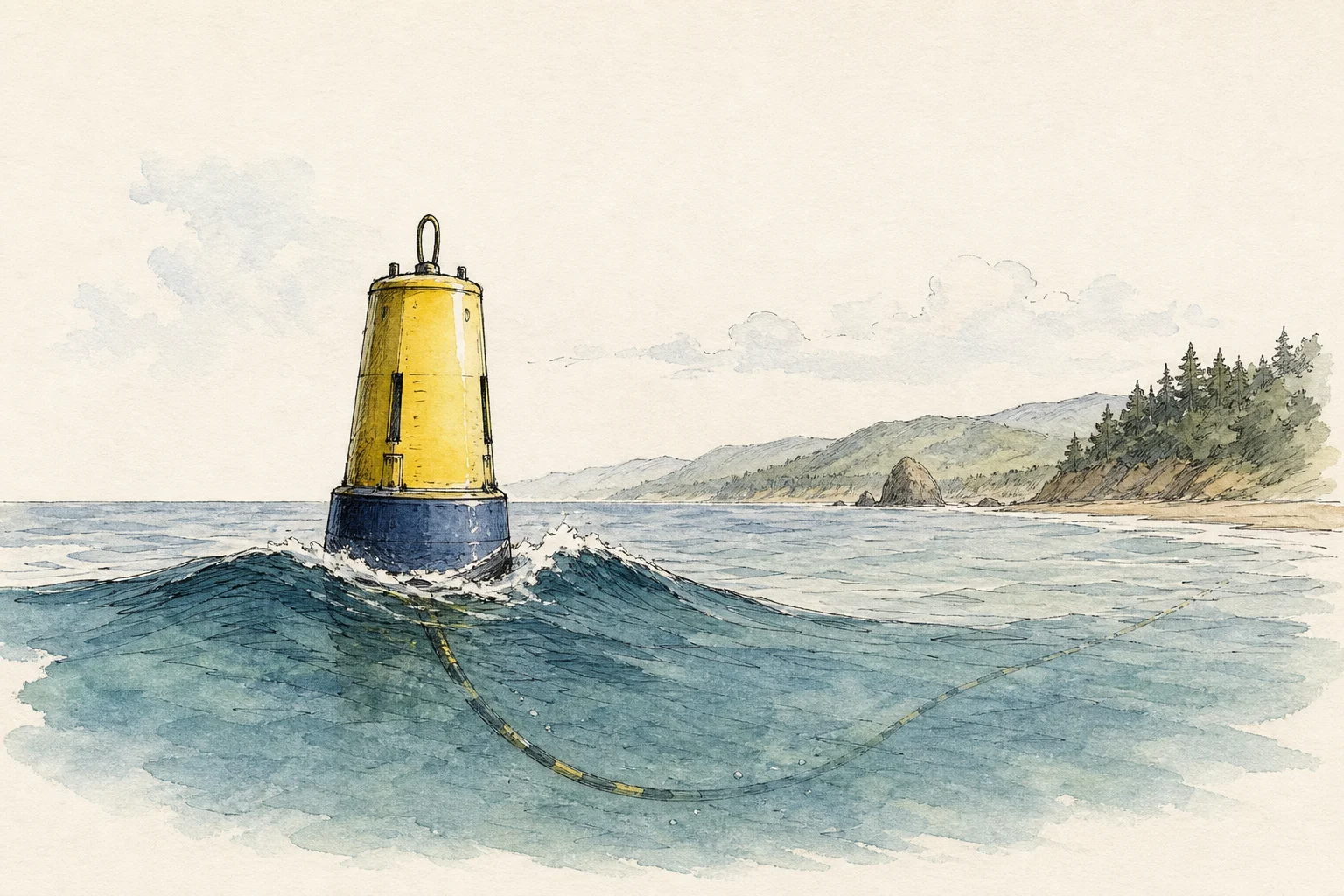
Developed by Oregon State University, the facility is pre-permitted for several kinds of wave energy converters. These include buoy-like point absorbers, devices that use waves to push air through turbines, and long floating structures that generate power as they flex. Subsea cables connect the offshore testing area to shore.
That shared infrastructure could ease a longstanding obstacle for marine energy developers: the time and expense required to secure permits and arrange grid-connected trials independently. The US Department of Energy has invested nearly $150 million in the facility’s siting and construction since 2016. Following a federal review, the project received approval to proceed and completed its grid connection this summer.
The opening is a milestone for testing, not yet for electricity production. No energy devices have arrived, and developers have faced federal funding delays, so the site has not generated power. Still, it creates a pathway for evaluating an emerging carbon-free energy source whose wider US resource potential is substantial, according to federal estimates.