science and discovery
Osaka is rising again as its groundwater recovers
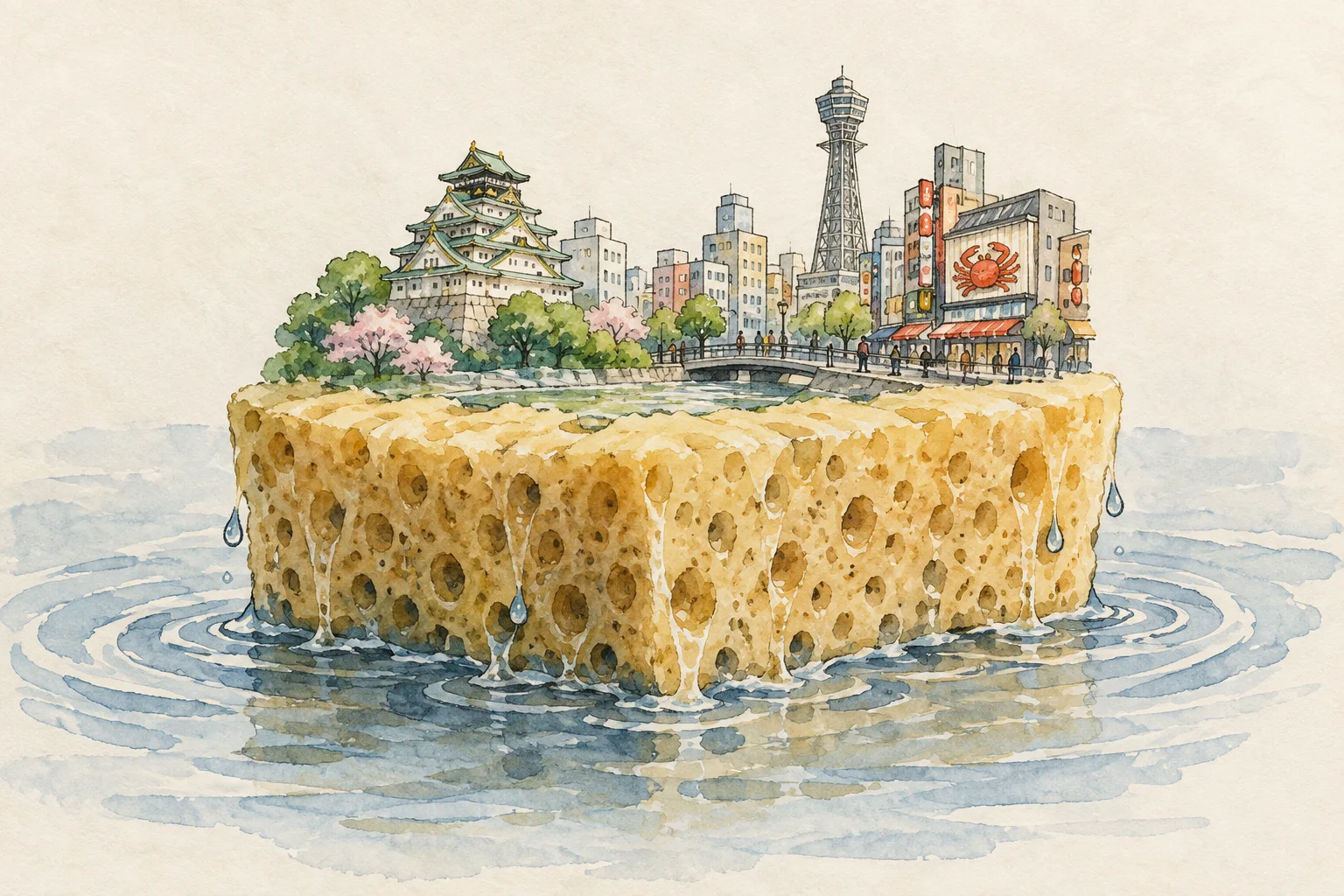
Land beneath Osaka, Japan, is rising again as groundwater supplies recover, offering evidence that some cities can reverse sinking caused by excessive pumping. A new study measured an average rise of about four millimetres a year across greater Osaka, reaching 12 millimetres in some places.
Decades of heavy groundwater pumping had caused parts of the city to sink by metres. Strict regulations introduced in the early 1960s allowed underground water reserves to recover gradually. To investigate the response, researchers combined records from 44 monitoring wells, stretching back to 1985, with precise satellite measurements of changes in land height.
The recovery was far from uniform. Areas where groundwater levels climbed fastest also tended to rise fastest, and sharp differences in land movement closely followed known geological faults. These fractures in the Earth’s crust can act like underground dams, blocking sideways water flow. On one side of Osaka’s Uemachi Fault, groundwater levels rose three times faster than on the other.
The findings point to an opportunity for coastal cities, though not a universal solution. Where excessive groundwater extraction contributes to sinking, reducing pumping and allowing reserves to recover could slow or sometimes reverse that movement. Understanding the uneven response also matters: neighbouring areas moving at different rates can put stress on roads, pipes and buildings.