science and discovery
Fossil eggs reveal how giant dinosaurs nested in cooler climates
Microscopic pores in fossil eggshells have given scientists new evidence that giant titanosaurs reproduced far from the equator by burying their eggs in warming nests of decaying plants and soil.
Researchers examined 255 shell fragments collected in 2020 and 2024 from the Chorrillo Formation in southern Argentina. The remains are about 68 million years old and come from what was then a lush coastal plain between 55 and 60 degrees south. They represent the highest-latitude nesting environment yet identified for sauropods, the wider group that included titanosaurs.
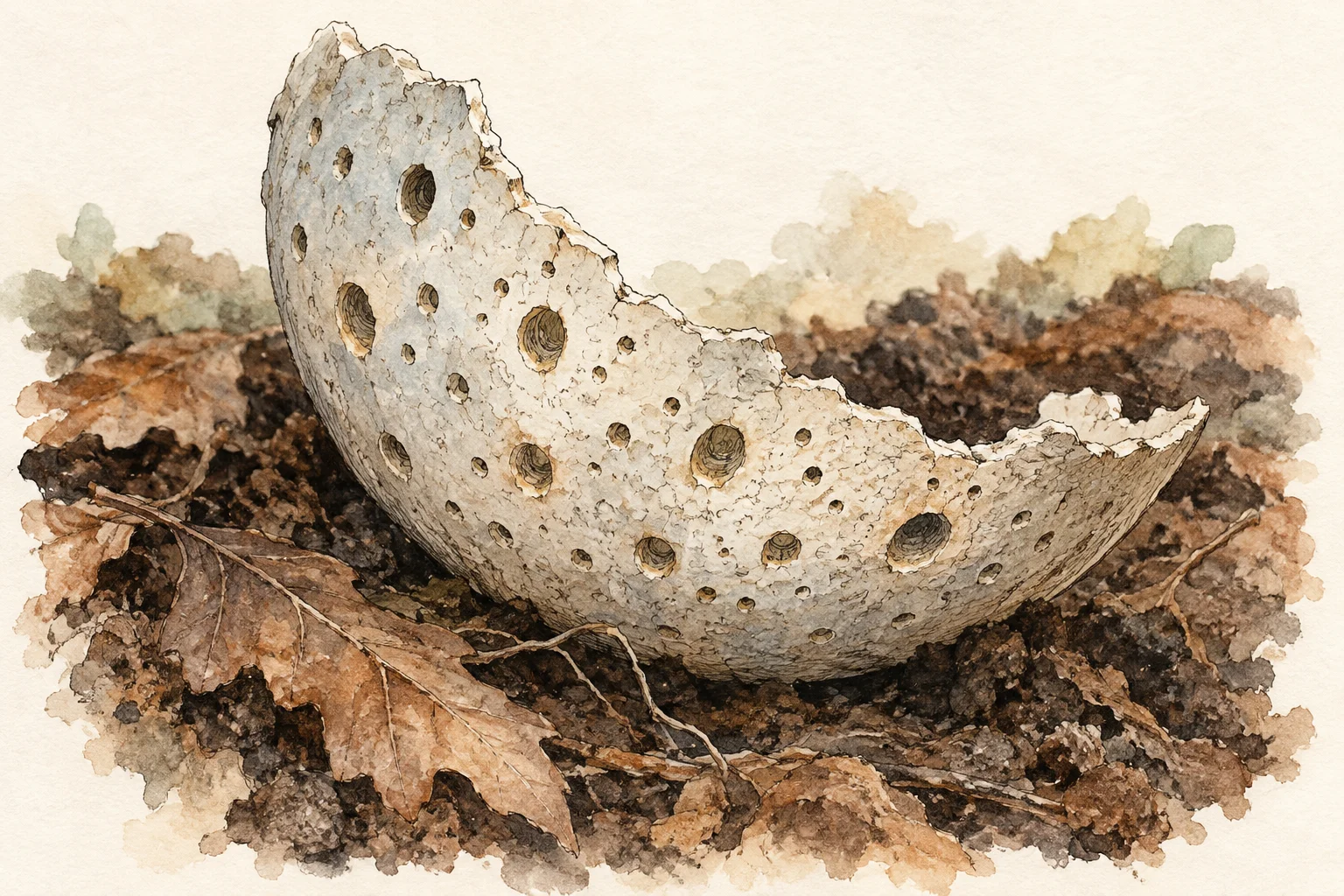
Using an electron microscope, the team found that the shells were highly porous. Buried eggs need abundant pores to exchange oxygen, while humid soil or vegetation prevents them from drying out. This points to mound nests heated by microbes breaking down plant material, a strategy also used by modern crocodiles and megapode birds.
The eggs were roughly volleyball-sized, but adult titanosaurs could weigh up to 75 tonnes, making it impossible for them to sit on a clutch without crushing it. The precise species that laid the eggs remains unknown. Even so, the discovery shows that some of Earth’s largest land animals could complete their reproductive cycle in environments once thought too cool and challenging for nesting.