science and discovery
Psilocybin prevented chemotherapy-related nerve damage in mice
Two doses of psilocybin given before chemotherapy prevented mice from developing key signs of peripheral neuropathy, a painful and sometimes lasting complication of cancer treatment. In experiments with cisplatin, treated animals retained normal sensation and nerve endings in the skin, while untreated mice developed pain hypersensitivity and sensory loss. The protection persisted through as many as six chemotherapy cycles, and psilocybin did not reduce the treatment’s ability to shrink tumours.
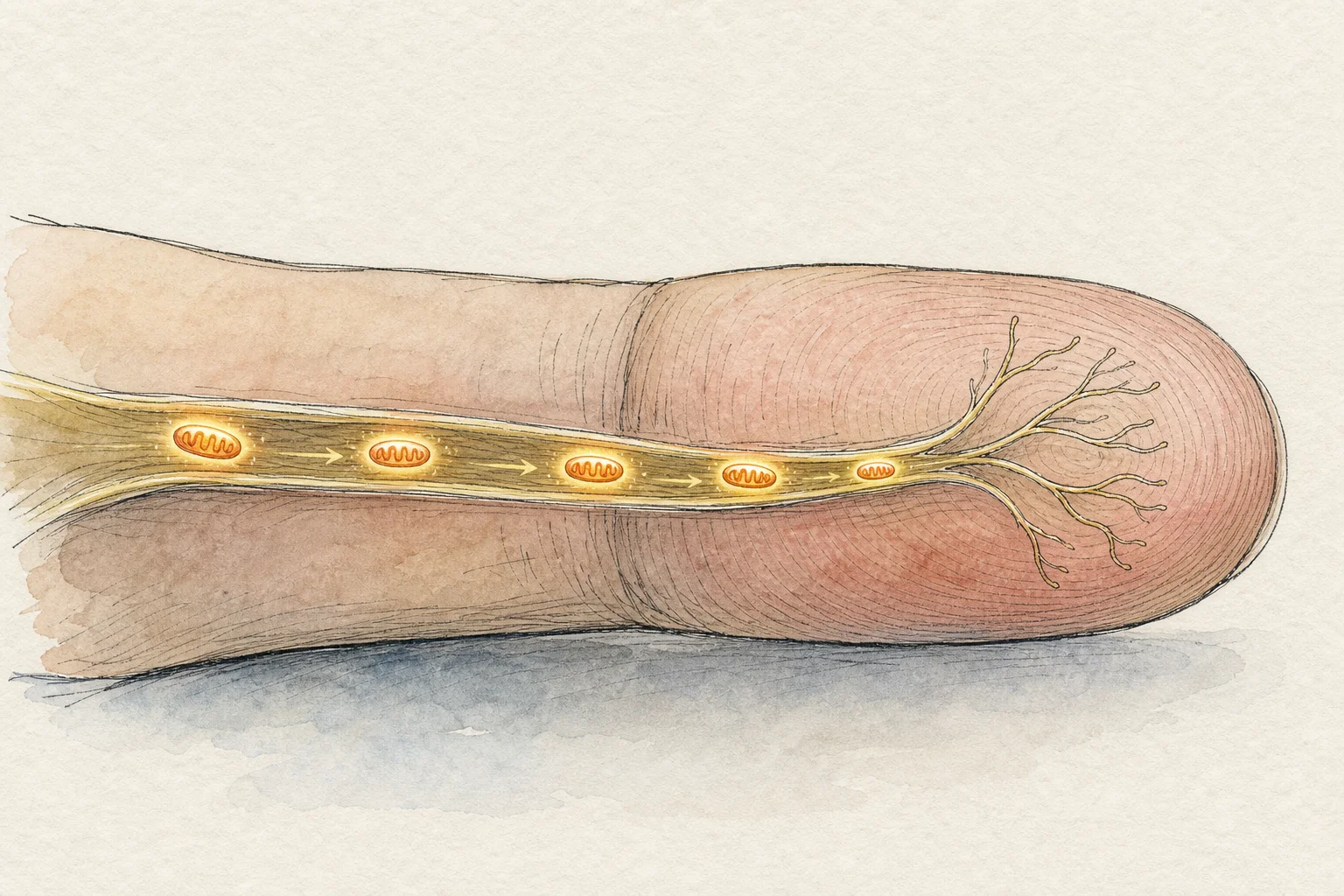
The research points to an unexpected mechanism. Psilocybin activated serotonin receptors on sensory nerves and helped mitochondria, the structures that supply cellular energy, keep moving along nerve fibres. Chemotherapy can disrupt this transport, leaving distant nerve endings short of energy and vulnerable to degeneration. Studies of human sensory neurons and surgically removed peripheral nerves supported the same explanation. A non-hallucinogenic compound acting on the same receptor also protected mice, although researchers say it remains unclear whether psilocybin’s psychedelic effects contribute anything further.
The findings remain preclinical. They do not show that psilocybin safely prevents neuropathy in people, and protection seen with cisplatin may not extend to every chemotherapy drug. A clinical trial is being prepared to test the approach in cancer patients. Until then, the researchers warn against self-treatment because psilocybin can interact dangerously with cancer medicines.
Sources
- NatureMagic-mushroom compound blocks a severe side effect of chemotherapy, in mice
- livescience.comPsilocybin may protect against a common, debilitating side effect of chemotherapy, early study finds
- Scientific American'Unparalleled' study finds psilocybin protects against nerve damage from chemotherapy
- New ScientistPsilocybin could prevent common and debilitating chemotherapy side effect | New Scientist