health and healing
Puglia screening detects baby’s immune disorder in time for transplant
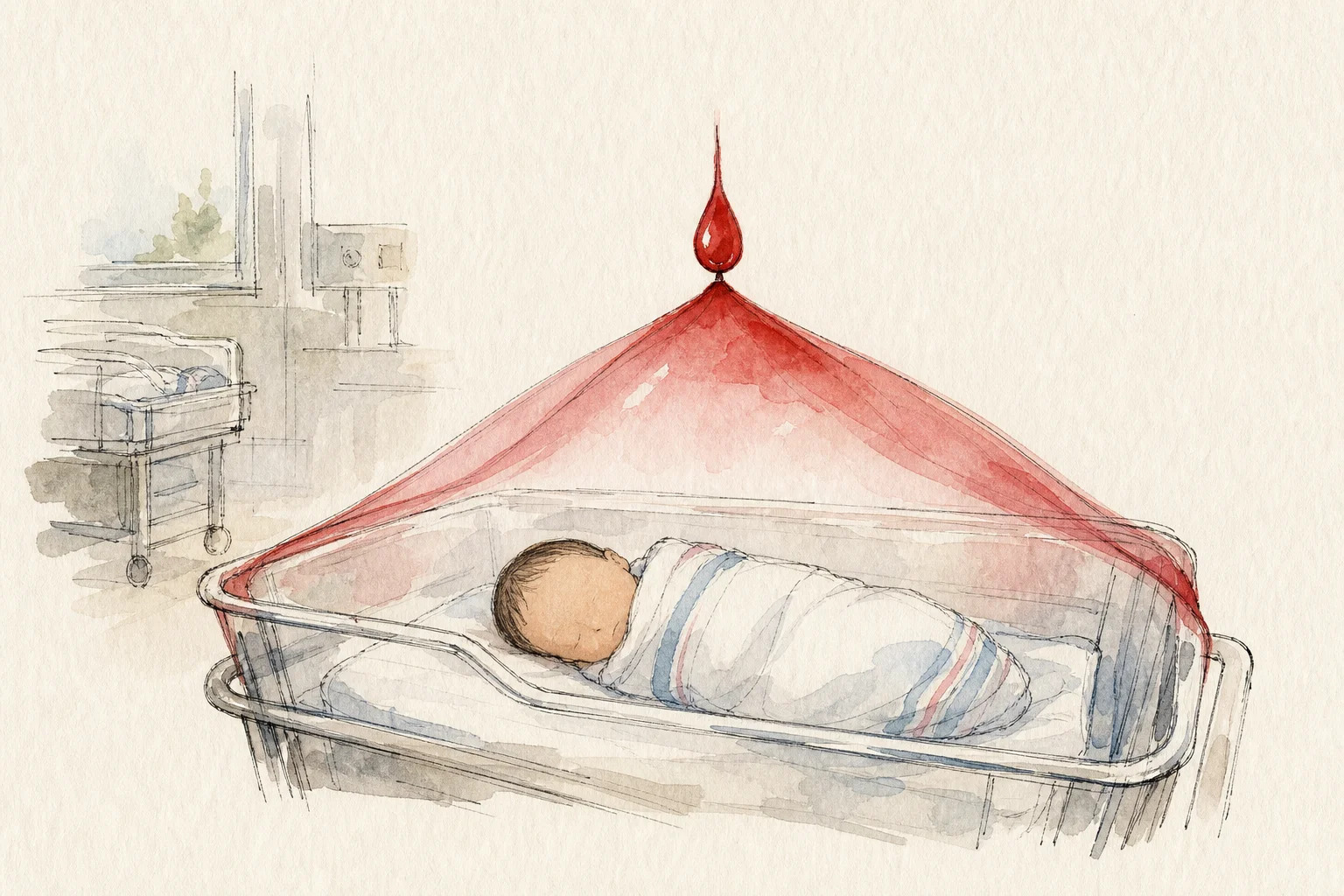
A baby in southern Italy was diagnosed with severe combined immunodeficiency, or SCID, at just 17 days old, allowing doctors to arrange a stem-cell transplant before a serious infection developed.
Vittoria, born in Martina Franca in September 2025, appeared healthy and had no symptoms. Her parents had enrolled her in both expanded newborn screening and the regional Genoma-Puglia programme. Testing at two hospitals in Bari identified the rare genetic disorder, which severely weakens the immune system and can make an otherwise common infection life-threatening.
After the diagnosis, Vittoria was cared for at Giovanni XXIII Children’s Hospital and referred to Bambino Gesù Children’s Hospital in Rome. There she received a transplant of blood-forming stem cells donated by her sister. Now nearly one year old, she can look ahead after a rapid sequence of screening, genomic analysis and treatment.
Genoma-Puglia began as a pilot and became a structured regional service under a 2023 law, involving all 24 neonatal units in Puglia. It uses blood collected from a newborn’s heel and a diagnostic panel covering 433 genes. Regional data presented in May 2026 indicated that more than 27,000 babies had undergone genomic screening, with participation above 90%. Suspicious findings still require further testing, since not every detected genetic variation means a child has a disease.
Sources
- ANSA.itUna neonata salvata con un trapianto dopo uno screening precoce previsto in Puglia - Notizie
- la RepubblicaSalvata a 17 giorni di vita da una malattia rara grazie allo screening: "Ora potrà essere curata
- Periodico DailyLa storia di Vittoria, una diagnosi a 17 giorni e un trapianto che le salva la vita Periodico Daily
- MondosanitàVittoria sembrava sana: a 17 giorni scoperta la malattia che poteva ucciderla