nature thriving
Rare moth rediscovered in Northumberland after more than 70 years
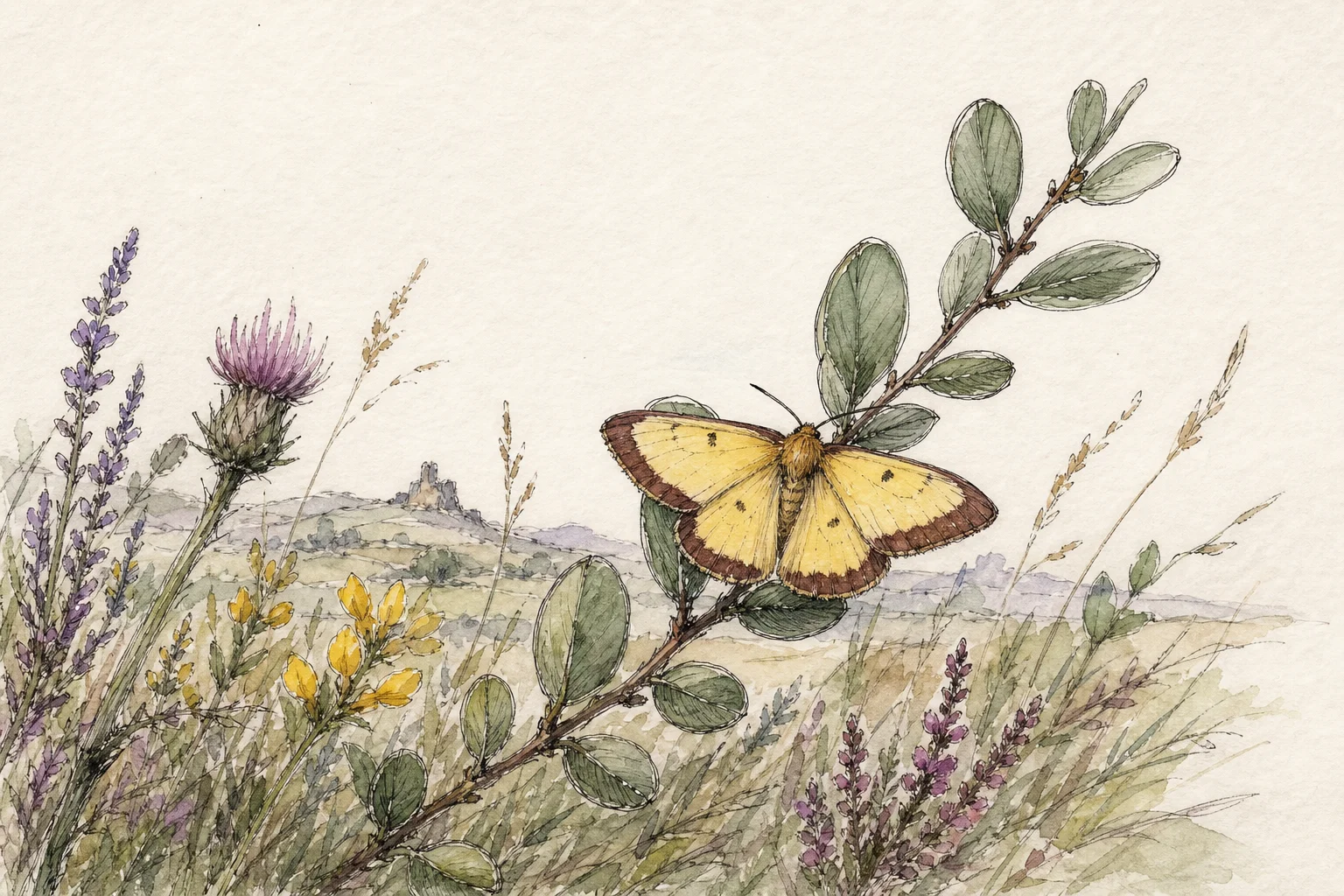
One of England’s rarest moths now has a second known foothold in the country after conservationists rediscovered a population of dark bordered beauties at the Wallington estate in Northumberland. The lemon-yellow, chestnut-edged species had not been recorded there since 1952.
The find eases concern created by its dependence on Strensall Common in Yorkshire, for decades its only known English site. That population has declined amid climate pressures and wildfire. Dark bordered beauty caterpillars feed only on aspen and creeping willow, making suitable habitat unusually specific.
At Wallington, years of cooperation between the National Trust and tenant farmer Fiona Goodfellow have supported nature-friendly land management, allowing the moth’s food plants and wildflowers to thrive. Dave Wainwright of Butterfly Conservation, who first searched the estate unsuccessfully in 2004, found a moth within minutes on his return with colleagues.
The habitat differs from Strensall, challenging previous assumptions about the conditions the species requires and suggesting other overlooked colonies may exist. Conservationists plan to study the site carefully before making major changes, while the National Trust hopes eventually to expand potential habitat.