Science and discovery
Rare wooden finds reveal Neanderthals’ hidden craftsmanship
Rare traces of wood at a Spanish rock shelter have revealed a more detailed picture of Neanderthal ingenuity, including hunting spears, household objects and an unusual club-like object.
Researchers examined 597 wood specimens from Abric Romaní, near Barcelona, dating from about 62,000 to 40,000 years ago. In the study, published in Science Advances, they identified 13 objects made or used by Neanderthals among material that also included branches, roots and firewood.
Wood normally decays, leaving stone tools to dominate our view of prehistoric technology. Here, mineral-rich water formed coatings around the wood. As it rotted away, the coatings left natural moulds that sometimes preserved even the grain.
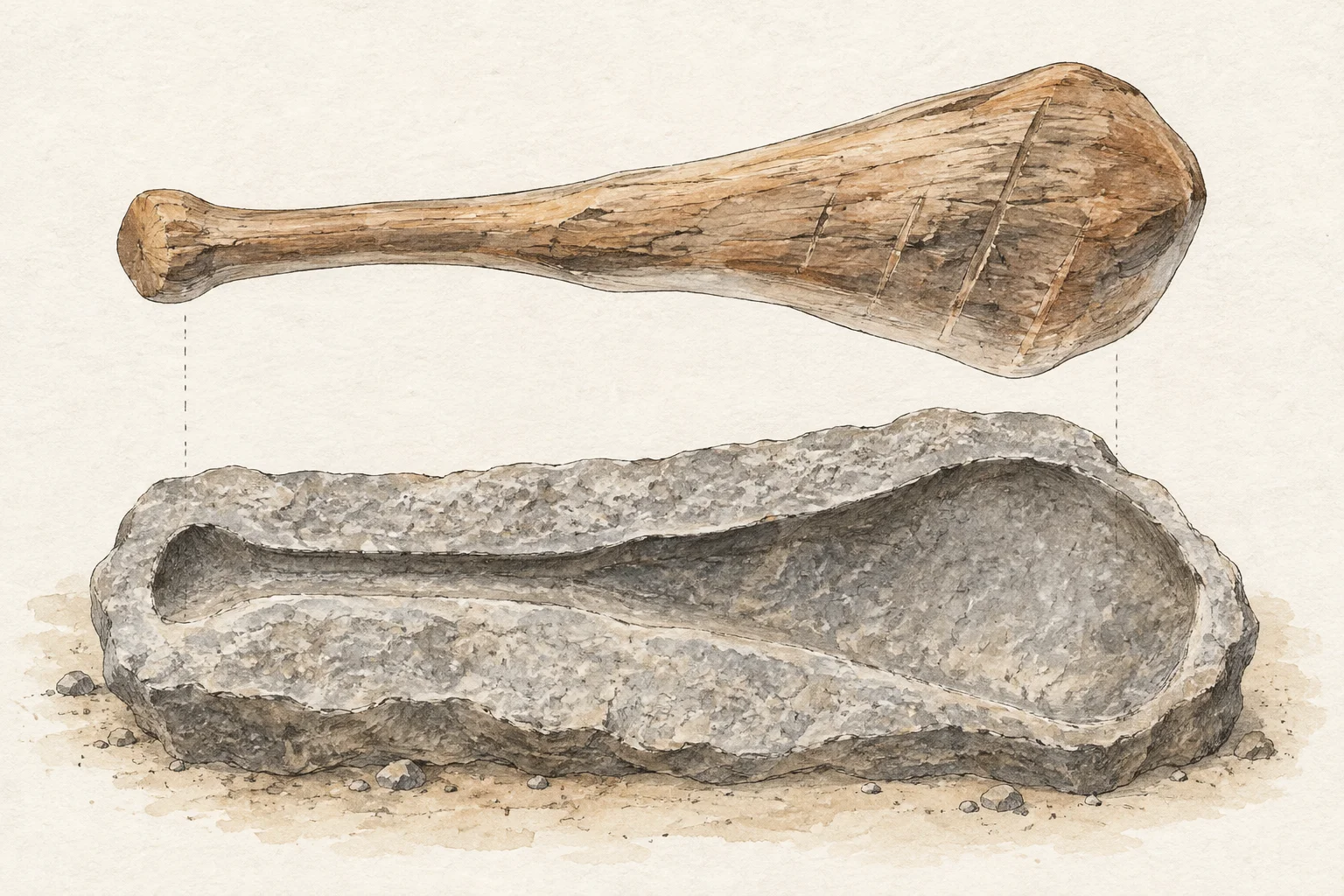
The finds include two pointed spears, possible trays and poles that may have helped shape living spaces. One standout object has a narrow handle and a wider, asymmetrical head. Scraping marks show it was deliberately shaped, but researchers do not know exactly what it was for and found no convincing prehistoric parallel.
Evidence across 16 archaeological layers suggests woodworking was a regular part of life over thousands of years, not an occasional skill. The findings come from just one site, but they reveal a broader range of Neanderthal abilities than the surviving stone record can show on its own.
Sources
- infobaeLas piezas de madera de Abric Romaní revelan la elevada capacidad tecnológica neandertal
- LaVanguardiaRestos de madera de hace más de 40.000 años hallados en Barcelona revelan que los neandertales fueron expertos carpinteros
- New ScientistNeanderthal Europe was as much a wooden age as a stone age | New Scientist
- Court House News ServiceResearchers peel back layers of Neanderthal woodworking legacy