nature thriving
Record breeding season lifts kākāpō population to 325
New Zealand’s critically endangered kākāpō population has reached 325 after 90 chicks survived to independence in the species’ largest recorded breeding season. The total has exceeded 300 for the first time in perhaps 75 years, marking a striking rise from just 51 birds when the current recovery programme began in 1995.
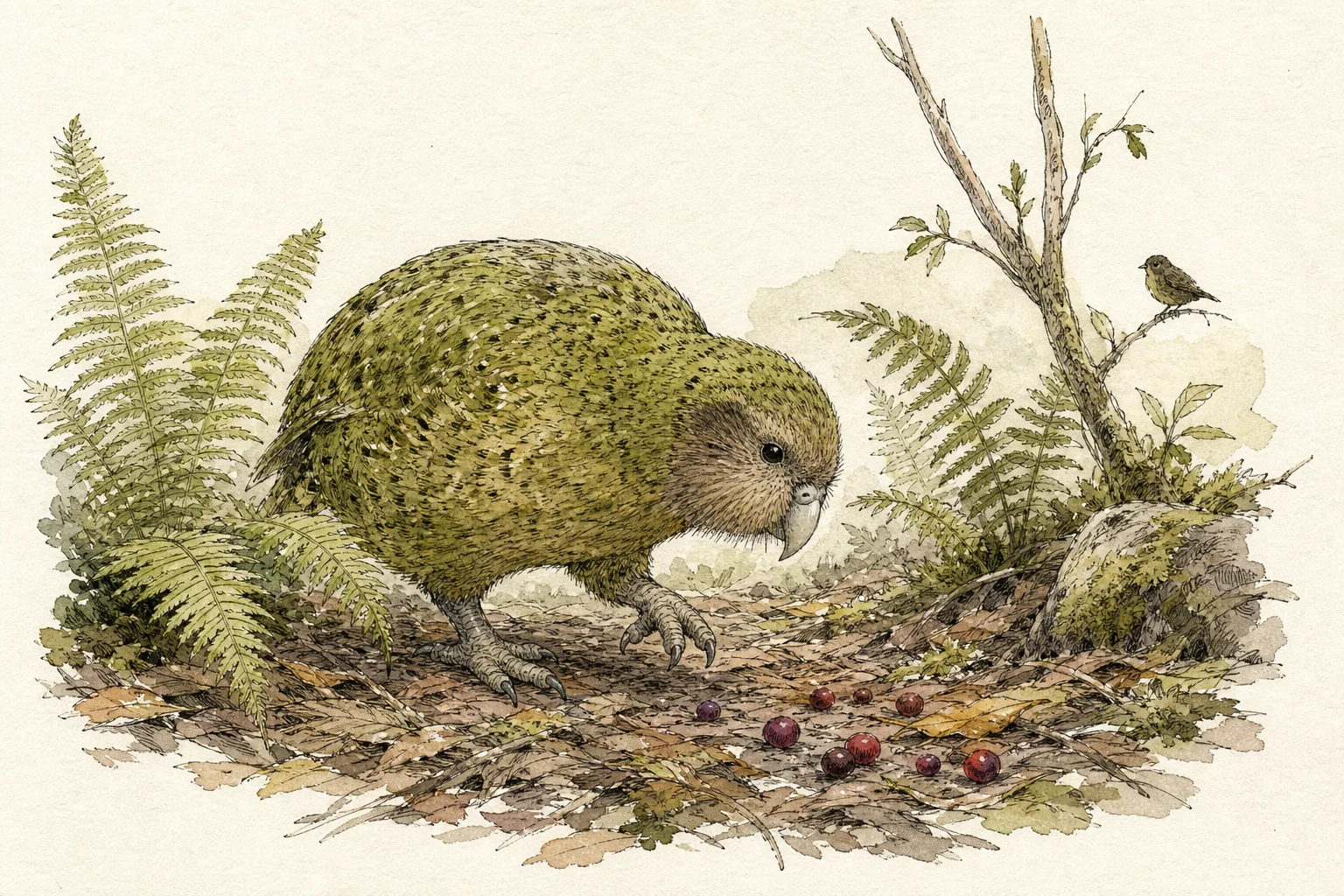
The nocturnal, flightless kākāpō is the world’s heaviest parrot. It breeds only every two to four years, when native trees such as rimu produce abundant fruit. A strong rimu crop on two breeding islands helped make 2026 unusually productive after a four-year gap between breeding seasons.
Of 106 chicks that hatched, 90 reached 150 days old, the point at which they are considered independent and formally counted in the population. All but two were fully raised by their mothers. Conservation teams also relied more on remote data from smart transmitters, allowing them to reduce nest checks and intervene only when necessary. Supplementary feeding remained necessary on one island where rimu fruit did not ripen.
The recovery is far from complete. Kākāpō remain vulnerable to introduced predators, limited genetic diversity and low fertility, while their existing protected islands are reaching capacity. Conservationists are seeking another predator-free breeding site, and environmental modelling indicates the next breeding season could come in 2028.