nature thriving
Report documents more than 2,700 fish species across the Amazon basin
The extraordinary scale of Amazonian freshwater life has come into sharper focus. A new report documents more than 2,700 fish species across the basin, about 15% of all known fish species worldwide. Nearly two thirds are found nowhere else.
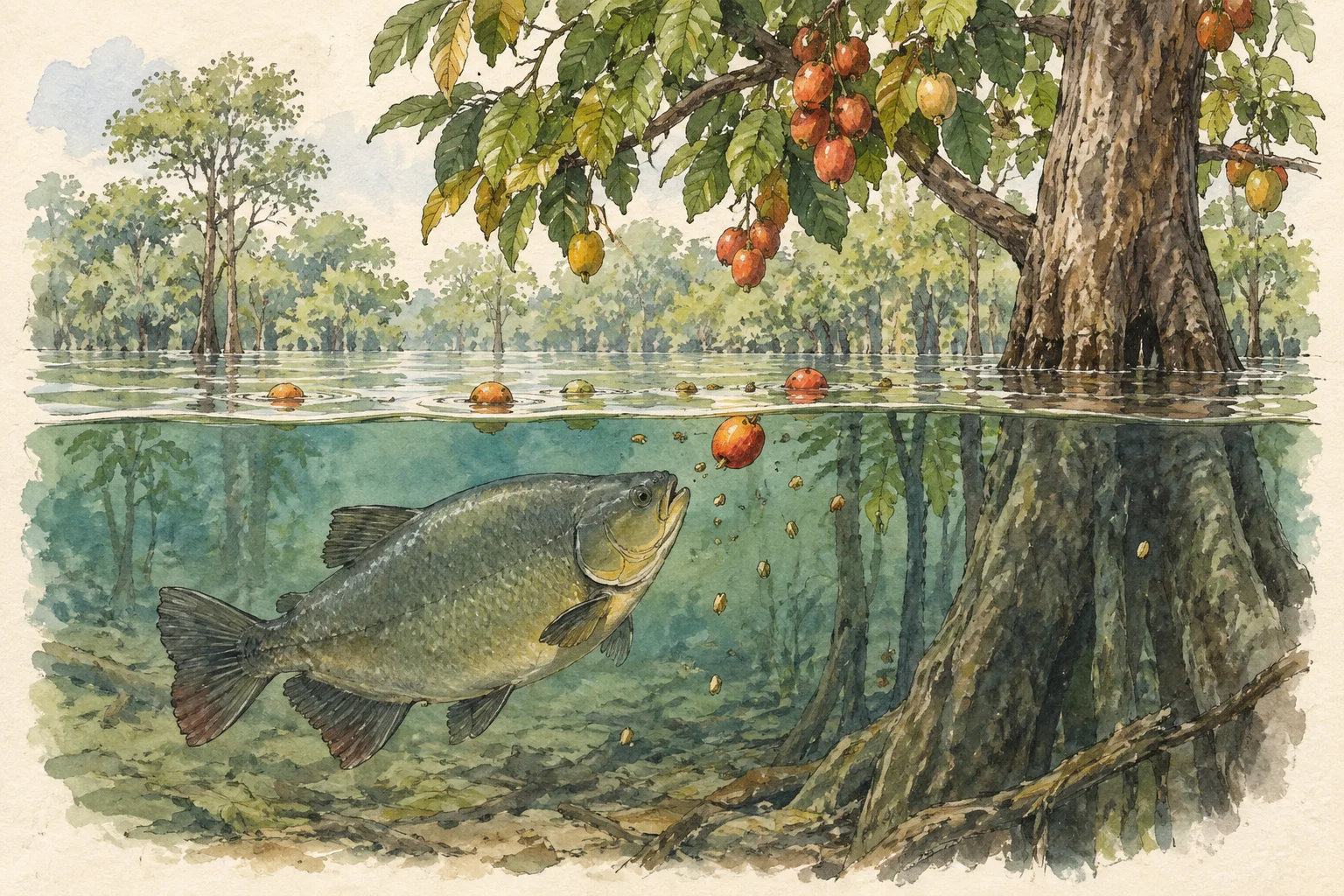
The fourth edition of the report, led by The Nature Conservancy, draws on information from more than 50 specialists across 30 organizations, combining scientific evidence with traditional ecological knowledge. It describes fish as active participants in the wider forest ecosystem. Tambaquis, pacus and matrinxãs eat fruit in flooded forests and can carry seeds over long distances, while other species move nutrients between water and land.
The report also points to conservation work already producing encouraging results. It identified at least 155 community fisheries management initiatives across Brazil, Peru, Bolivia and Colombia. Together, they cover nearly 13 million hectares and involve more than 1,200 communities and 21,000 fishers. These efforts are associated with greater fish abundance and species richness, alongside economic and social benefits.
Serious pressures remain, including dams, deforestation, pollution, overfishing and climate change. Yet the authors say the Amazon still offers a rare chance to protect a globally important freshwater system while much of it remains functional, particularly by preserving free-flowing rivers and strengthening Indigenous and local leadership.