technology and innovation
Sensor-equipped pen helps detect writing difficulties in study of 700-plus pupils
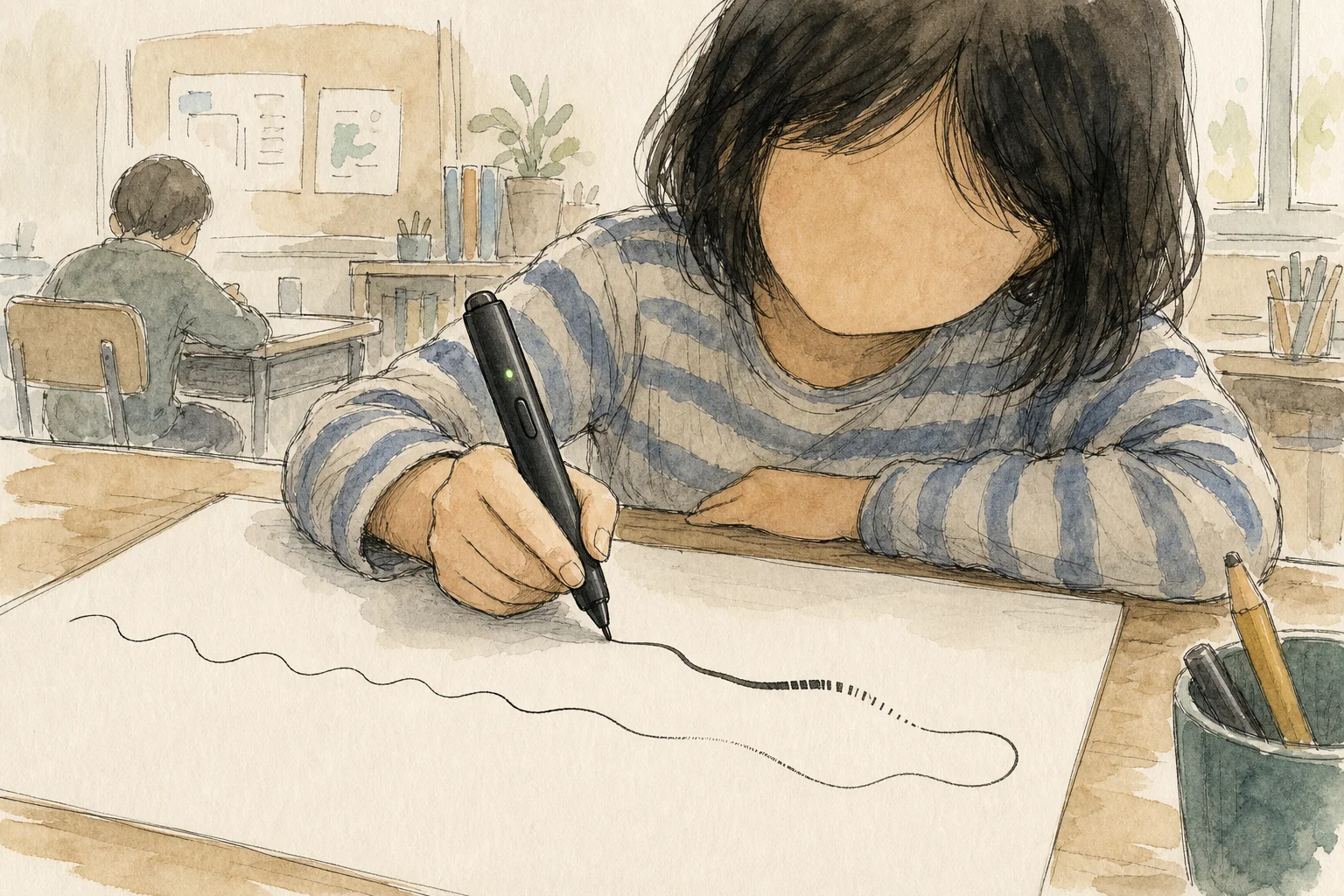
A sensor-equipped ink pen has shown potential to help schools spot writing difficulties earlier while allowing children to write naturally on paper. The THInkPen was tested with more than 700 pupils across Italian primary and lower-secondary grades in research led by the Polytechnic University of Milan and the University of Insubria.
Pupils used the pen while completing two tasks from BVSCO-3, a widely used Italian clinical assessment of writing and spelling skills. Sensors recorded details that cannot be judged from the finished page alone, including pressure, pen angle and the fluidity of movement. Researchers then compared these measurements with the pupils’ assessment results.
The study found significant links between the pen’s digital indicators and clinical scores. Artificial intelligence models were also able to distinguish pupils identified by the assessment as having writing difficulties from other participants. Explainable AI techniques helped reveal which features of the writing process were associated with below-average performance, while the data also reflected the expected development of handwriting skills across school years.
The pen is intended as a screening aid, not a diagnosis. By giving teachers more information about how a child writes, it could help them identify who may benefit from specialist evaluation while avoiding unnecessary referrals for difficulties that do not require clinical attention.
Sources
- MilanoTodayDal PoliMi la penna 'intelligente' che capisce prima di tutti se un bambino ha difficoltà a scuola
- VareseNewsDall'Università dell'Insubria una ricerca sulla penna che individua le difficoltà di scrittura
- QuiComoLa penna che "capisce" come scrivono i bambini: testata su oltre 700 alunni, può scoprire precocemente le difficoltà