Science and discovery
Sharper view of supernova debris reveals unexpected chains of gas
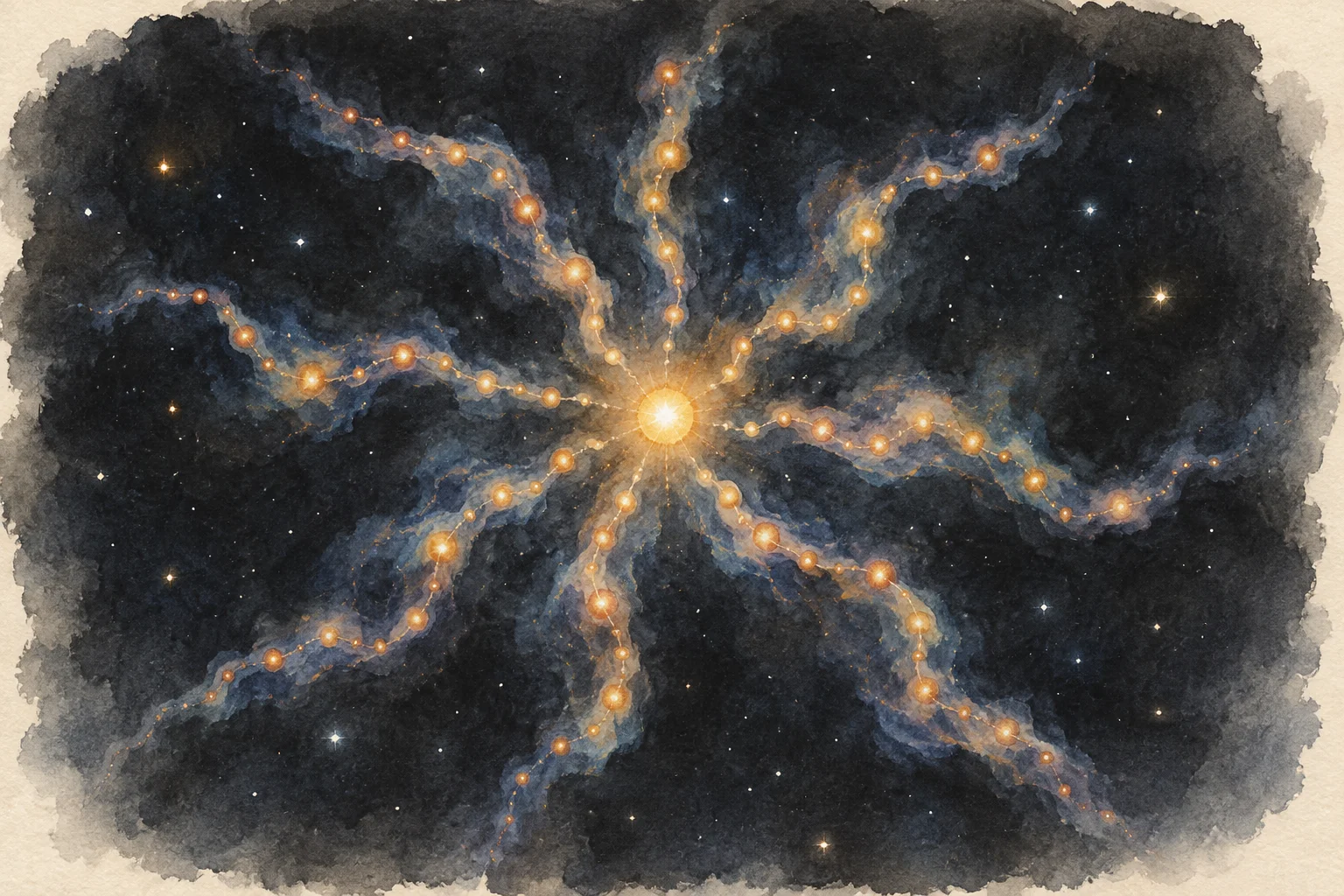
Astronomers have captured the most detailed view yet of Pa 30, the debris from a rare stellar explosion about 7,500 light-years away. Images from the Gemini North telescope in Hawai‘i reveal roughly ten times as many threadlike features as earlier images. What looked like smooth streaks of gas are actually chains of remarkably uniform knots.
Pa 30 is the likely remnant of a supernova recorded by Chinese, Japanese and Arabic observers in 1181, when a new light remained visible for 185 days. Amateur astronomer Dana Patchick discovered the cloud in 2013 while examining NASA infrared survey data.
It is considered the Milky Way’s only known remnant of a Type Iax supernova, a rare, relatively low-energy explosion that can leave a star behind rather than destroy it completely. Pa 30’s survivor, nicknamed a “zombie star,” sits almost exactly at the cloud’s centre. That position indicates the explosion gave it no large sideways push.
The findings, published in The Astrophysical Journal, offer new clues about how the debris took shape. Differences in the surrounding material’s temperature or density may have played a part, but exactly how the uniform knots formed remains unresolved. Researchers plan to use Pa 30’s distinctive features to search our galaxy and nearby ones for more remnants of these unusual explosions.
Sources
- Mashable'Zombie star' and supernova remnant revealed in stunning Gemini image
- Mirage NewsMedieval Guest Star Reveals Secrets After 850 Years
- Informationdienst Wissenschaft e.V. - idwISTA astronomers detect striking new details in unique supernova remnant
- Science @ NASAAPOD: 2026 October 7 - Supernova Remnant Pa 30 - NASA Science