technology and innovation
Solar cells charge batteries 10 metres beneath the sea
Specially designed solar panels have charged batteries 10 metres below the surface of the South China Sea, showing that even dim underwater light can provide usable electricity.
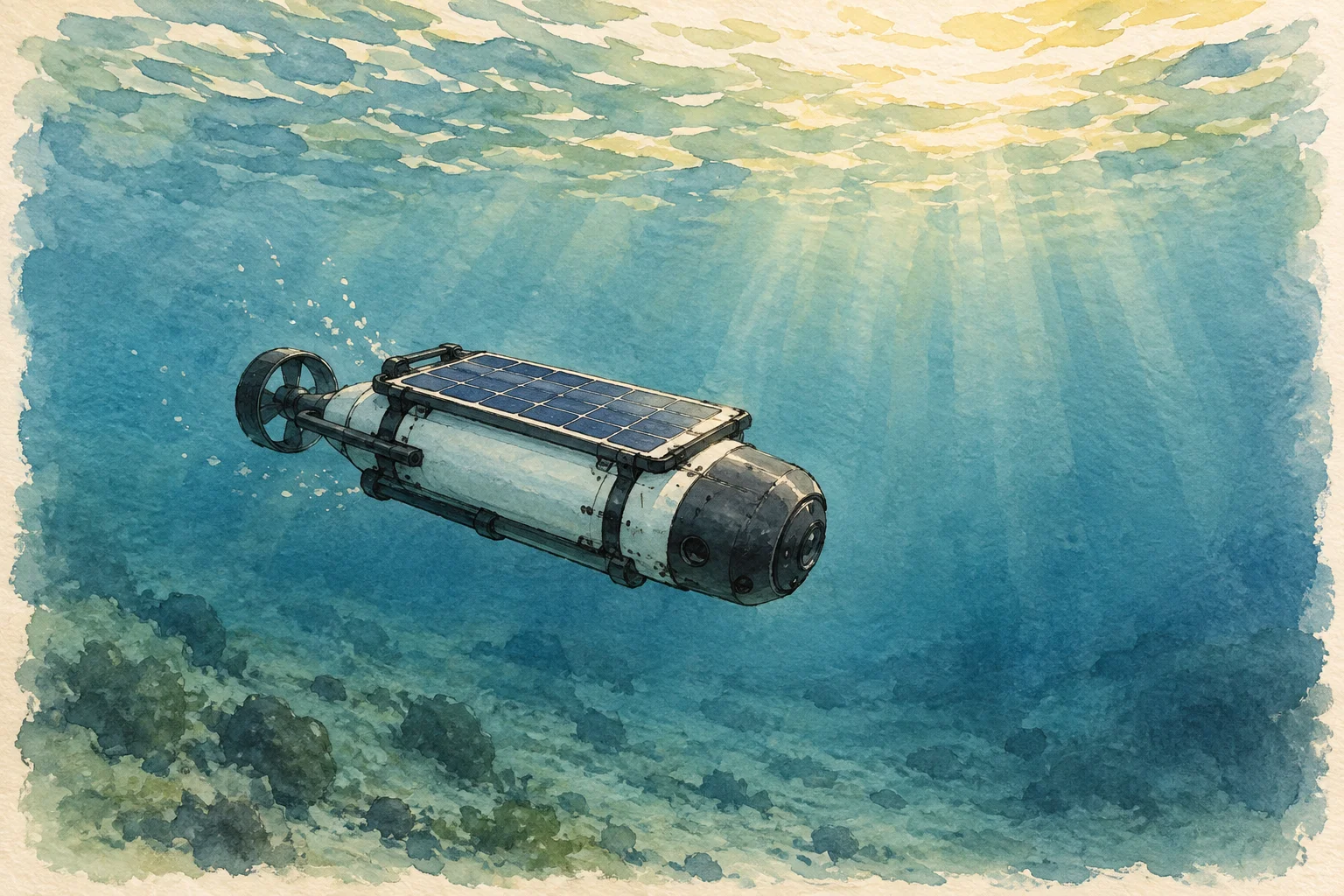
A team led by Yunnan University in China mounted the panels on a small underwater robot for trials near Weizhou Island. During a two-hour test at that depth, the modules collected 324 milliwatt-hours of energy, enough to run a one-watt LED for roughly 20 minutes.
The key was designing cells around the light available below the waves. Seawater absorbs much of sunlight’s red end, leaving mostly blue-green light at this depth. The researchers used a crystal material called perovskite, tuned to capture those remaining wavelengths. Under laboratory lighting designed to mimic conditions 10 metres down, small cells converted almost 35% of the available light into electricity. That measures how effectively they used the light, not an increase in the sunlight reaching them.
The findings, published in Joule, suggest a possible power source for underwater sensors, cameras and communications equipment. But the sea trials were short, not proof of years of operation. Long-term reliability in changing marine conditions, and useful performance at greater depths, still need to be established.
Sources
- The Times of IndiaScientists develop underwater solar cells that work 10 metres below the ocean surface and power robots
- ScienceAlertScientists Successfully Test Underwater Solar Cells 32 Feet Below The South China Sea
- Earth.comUnderwater solar panels could make remote parts of the ocean easier to monitor