life made better
Solar pumps cut irrigation costs for Philippine farmers
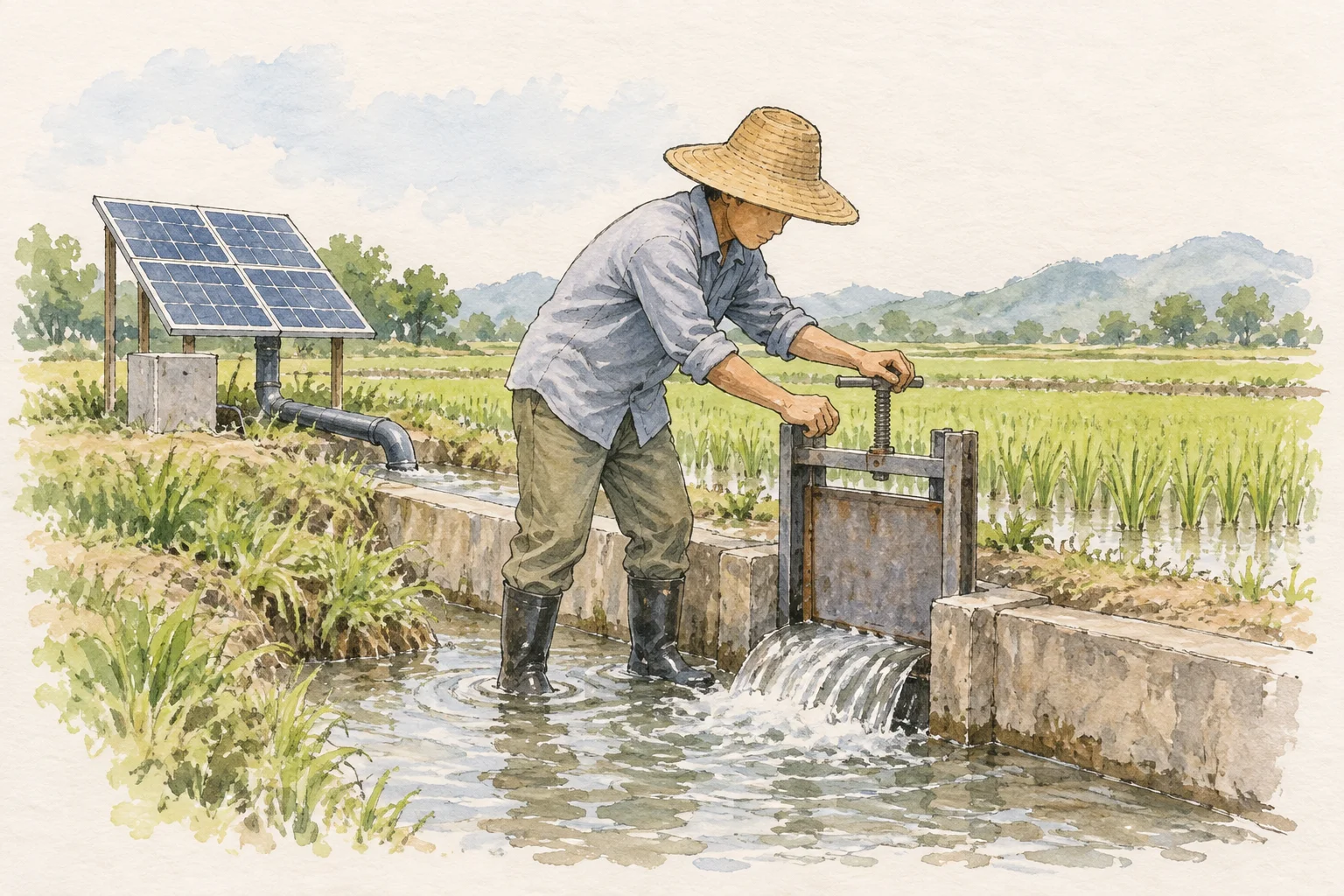
Solar-powered irrigation is operating at 4,036 sites across the Philippines, reducing farmers’ reliance on diesel to keep their fields watered, according to the government. National Irrigation Administration data show that existing systems can provide six to eight hours of irrigation daily.
In Bacarra, Ilocos Norte, 12 solar-powered units serving 340 hectares have helped lower irrigation costs and sustain up to three cropping cycles a year. Solar facilities in Pangasinan also continued working during the prolonged power outage caused by Typhoon Egay in 2023, helping farmers protect crops without grid electricity or additional fuel.
Alongside the pumps, the irrigation agency is developing an artificial intelligence-based monitoring system to help match water deliveries to farm needs. It would use real-time information on water availability, soil conditions and irrigation requirements to reduce waste. In Bukidnon, satellite data and soil-moisture monitoring are already being used to help schedule watering.
The government now aims to expand the programme to 10,000 sites by 2030, more than double the current number. Under its roadmap, the programme aims to benefit two million farmers and bring irrigation to an additional 100,000 hectares.