Technology and innovation
South Korea’s Nuri rocket puts its first satellite team into orbit
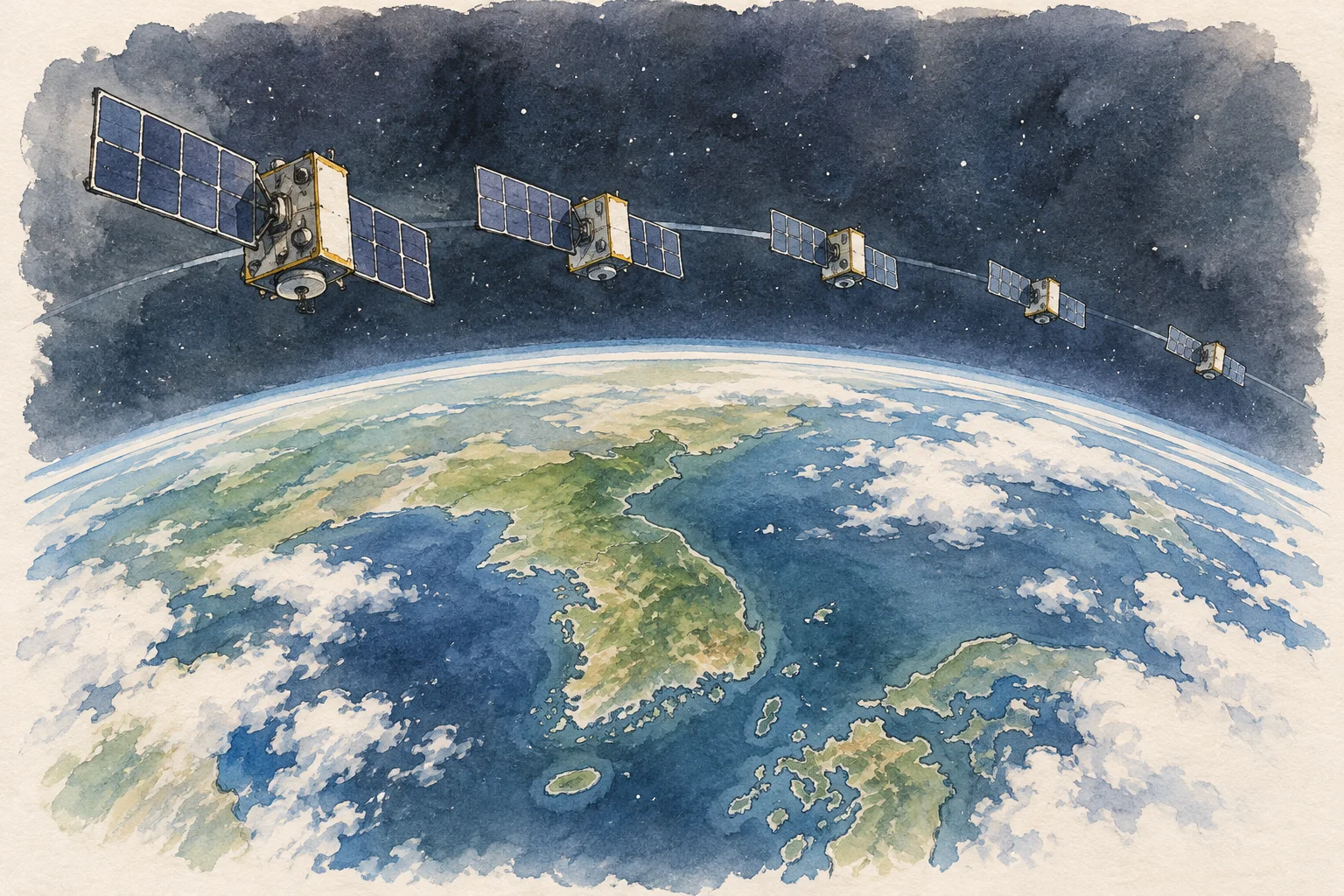
South Korea’s homegrown Nuri rocket placed five satellites designed to work as a team into orbit on October 7, marking its fourth consecutive successful launch. All five NEONSAT satellites made initial contact with ground stations later that day.
The mission was Nuri’s fifth flight and its first carrying a coordinated satellite group as its main cargo. It lifted off from Naro Space Center in Goheung at the scheduled time, another first for the rocket. To keep the satellites safely apart, the rocket’s upper stage adjusted its angle and released them one by one, roughly 35 to 40 seconds apart.
Nuri carried 15 satellites, its largest number yet, but not all were released. Nine of the 10 smaller satellites, known as CubeSats, separated successfully. Officials said Nuri sent the release signal, but one satellite’s deployment container failed to open. The precise cause remained under review.
The five NEONSAT satellites are expected to enable more frequent observations of South Korea, supporting disaster response and national security. The launch also expanded private-sector experience: Hanwha Aerospace staff directly operated 20 of the launch control centre’s 22 consoles. Further flights are planned to strengthen reliability and build experience before a fuller shift to privately led commercial launch services.