life made better
South Korea’s top court finds lack of film captions and audio description discriminatory
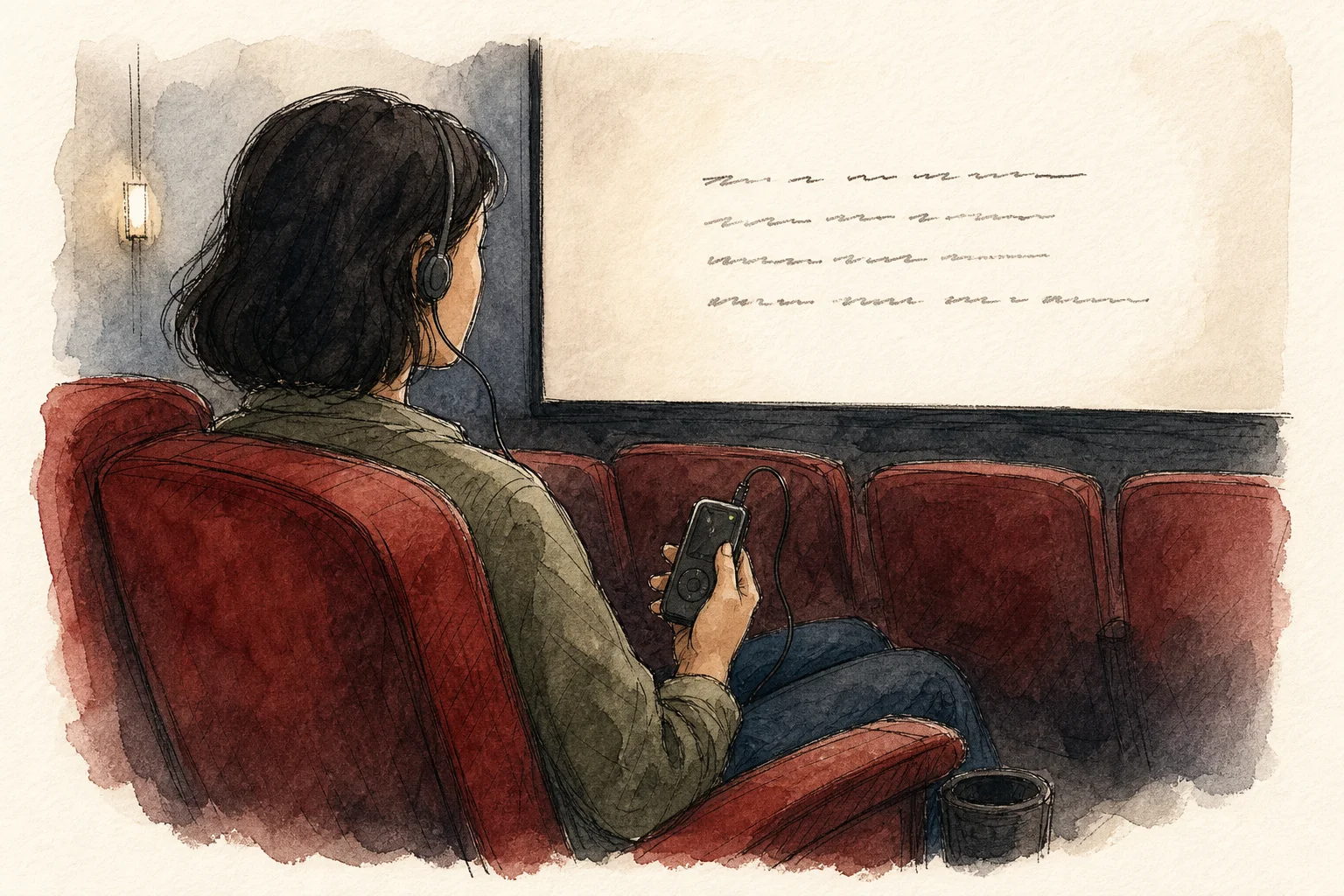
South Korea’s Supreme Court has confirmed that three major cinema operators discriminated against blind and deaf moviegoers by failing to provide audio description, captions and receiving devices. The ruling, issued a decade after four plaintiffs filed suit in 2016, recognizes access to films as a right connected not only to cultural life, but also to personal development, social participation and inclusion.
The court rejected the remedy set by the Seoul High Court, which generally limited accessible screenings to 3% of showings at cinemas meeting a 300-seat threshold. It found that approach gave excessive weight to operators’ costs by applying limits to both the number of screenings and the cinemas covered. The case will return to the lower court to determine a broader, better-balanced remedy, considering disabled people’s equal access, operators’ economic freedom and ways to control costs without undermining meaningful access.
The judgment itself also modeled greater accessibility. For the first time, the Supreme Court provided an easy-read version using brief, plain language and visual material. During the ruling, spoken remarks appeared as captions and were conveyed through sign-language interpretation. The final scope of cinemas’ obligations is not yet settled, but the discrimination finding now stands and the narrow 3% framework must be reconsidered.