Health and healing
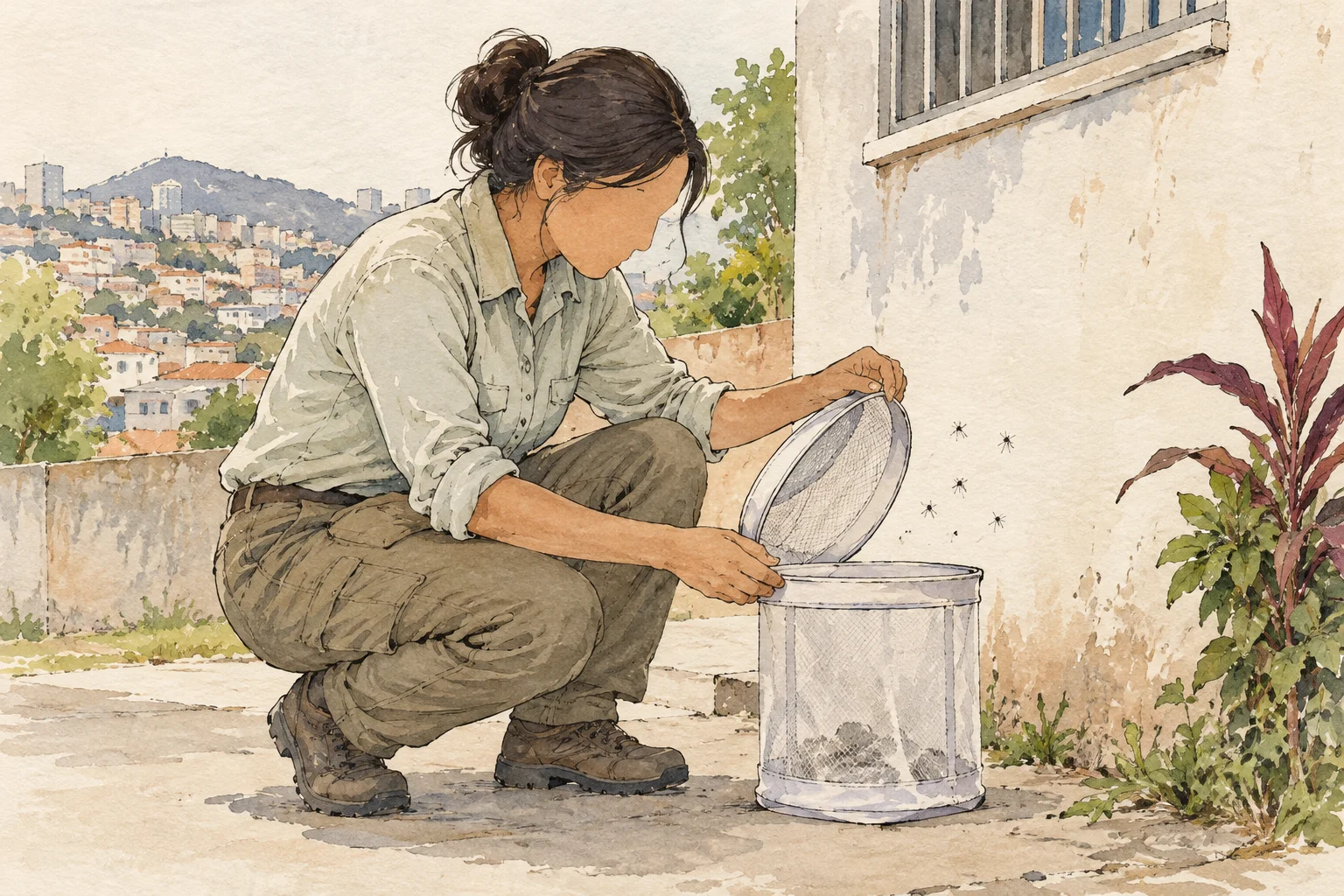
Specially bred mosquitoes cut dengue infections in Brazilian trial
A Brazilian trial found about 69% fewer dengue and chikungunya infections combined among schoolchildren in areas where specially bred mosquitoes were released, compared with areas using standard mosquito control alone.
The study in Belo Horizonte followed 5,757 children, aged six to 11 at enrolment, from 2020 to 2024. Researchers randomly assigned half of 58 school catchment areas to receive the mosquitoes. All areas continued standard measures, including insecticide spraying and removing mosquito breeding sites.
The released insects carried Wolbachia, a naturally occurring bacterium that is harmless to people and reduces mosquitoes’ ability to transmit certain viruses. Female mosquitoes pass it to their offspring, allowing it to become established in the local mosquito population. The approach changes how readily mosquitoes spread disease rather than simply trying to eliminate them.
Researchers tested children’s blood for evidence of infection instead of relying only on diagnosed cases, helping detect infections that might otherwise go unnoticed. The protection held even during Brazil’s record dengue outbreak in 2024.
The findings were presented on November 21, 2026, at the American Society of Tropical Medicine and Hygiene’s annual meeting and have not yet been peer reviewed. There were too few Zika infections to determine whether the approach also protected against that virus.
Sources
- U.S. News & World ReportScientists Report Strong New Evidence That Specially Bred Mosquitoes Can Fend off Dengue
- EurekAlert!Brazilian and US researchers report Wolbachia-based (wMel) mosquito intervention reduces arboviral infections in Brazil
- Tech TimesWolbachia Mosquitoes Cut Dengue and Chikungunya Infections About 69% in Randomized Blood-Test Trial