technology and innovation
Starship reaches orbit for the first time, deploying 26 satellites
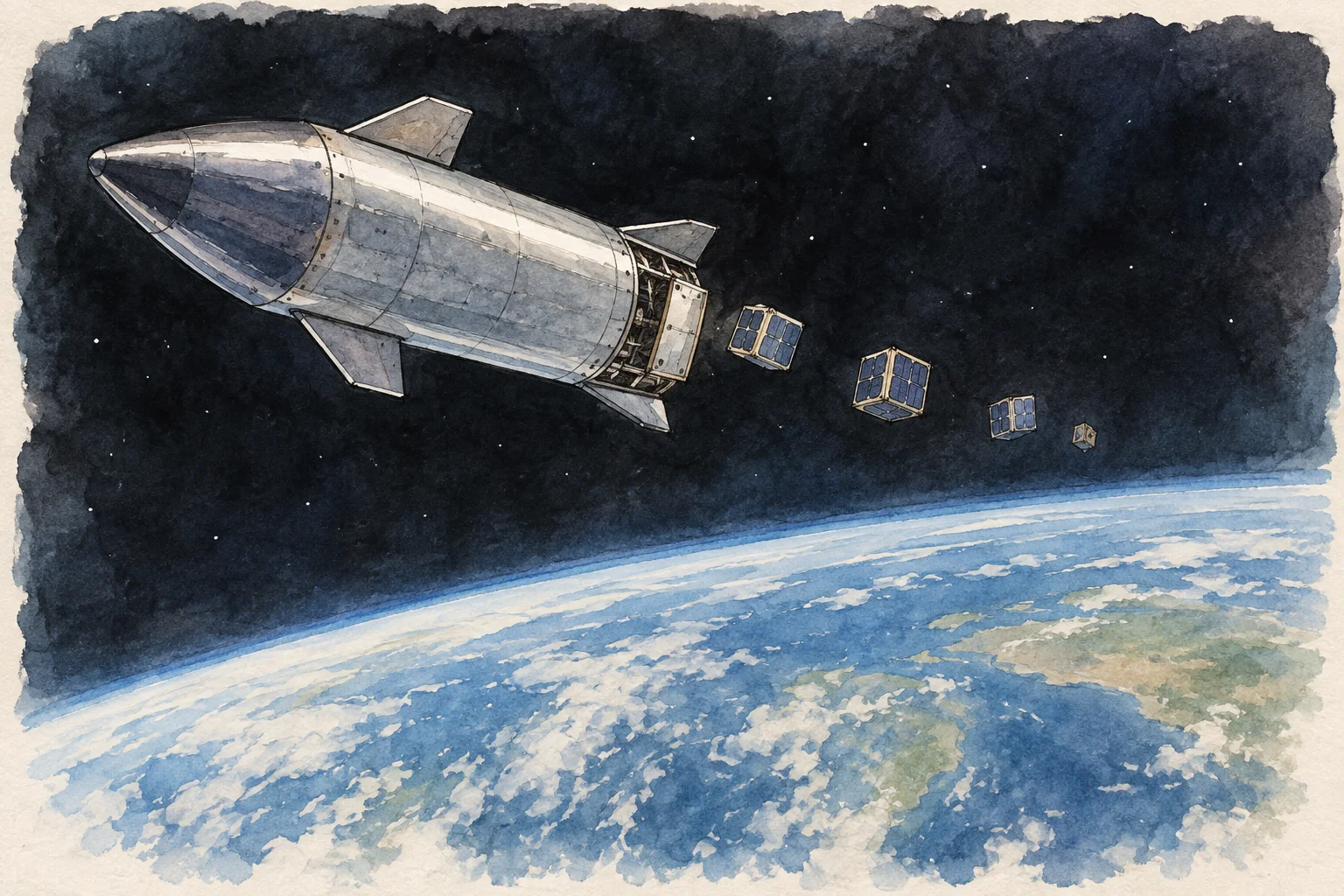
SpaceX’s Starship reached Earth orbit for the first time on 28 September, deploying 26 next-generation Starlink internet satellites on an uncrewed flight from Texas.
It was Starship’s 14th launch since testing began in 2023. All previous flights had stopped short of entering orbit. This time, the spacecraft reached an altitude of 275 kilometres and released its satellites about 30 minutes after launch. SpaceX chief executive Elon Musk said all 26 were operating normally.
The flight did not meet all its goals. One engine shut down earlier than planned, prompting SpaceX to shorten the mission from roughly 10 hours to three. Starship re-entered the atmosphere and splashed down in the Pacific near Hawaii. AFP reported that it then tipped over, sank and exploded.
Despite those setbacks, the mission demonstrated that Starship could deliver satellites to orbit while development of its final design continues. It also represents progress for a spacecraft being considered as a lunar lander for the international Artemis programme, which includes Japan. An orbital docking test involving Starship and another spacecraft is expected in 2027, ahead of the United States’ target of landing astronauts on the Moon in 2028.