health and healing
Taiwan hospital cuts blood-product use by 30% through more precise care
A hospital in southern Taiwan reduced its overall use of blood products by 30% in 2025 compared with 2023, using data and clinician feedback to make transfusions more precise rather than imposing blanket restrictions.
At Chi Mei Hospital in Tainan, the effort began in late 2023 with cryoprecipitate, a blood product used to help clotting. By 2025, its use had fallen by more than 53%. Use of plasma fell 40%, red blood cells 17% and platelets 16%. Doctors were shown data and comparisons with peers, prompting them to reconsider whether each transfusion was needed. For most stable adult inpatients, the hospital recommends considering transfusion when haemoglobin falls below 7 grams per decilitre, while still weighing symptoms, ongoing bleeding and the patient’s overall condition.
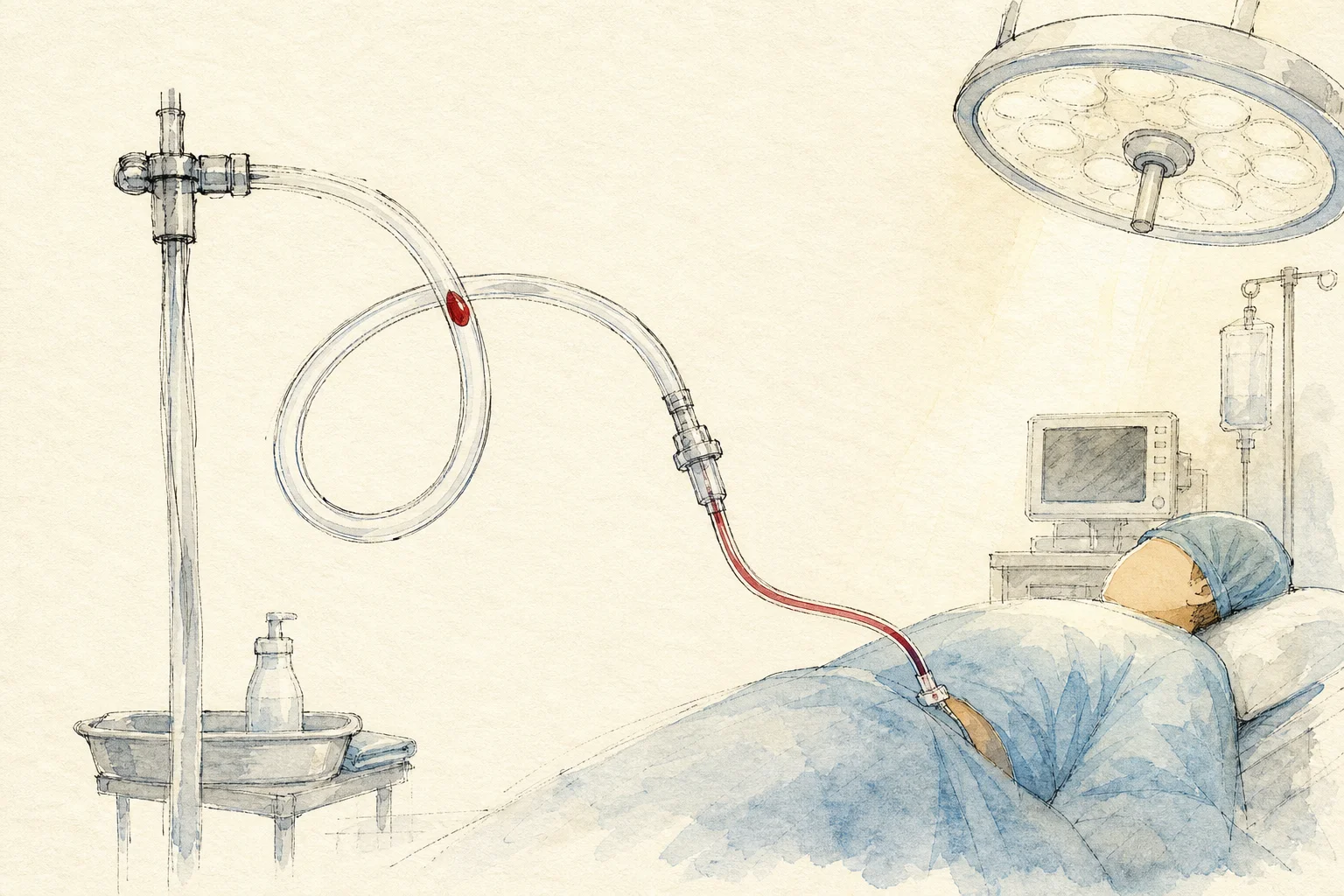
The same approach helped a 68-year-old man undergo coronary artery bypass surgery in March without receiving donor blood. The team prepared before surgery, used precise anaesthesia and real-time monitoring, limited blood loss, and collected and returned the patient’s own blood. He was able to walk out of hospital four days after the operation.
The hospital stresses that this is not a drive to avoid transfusion at all costs. In major bleeding, unstable blood pressure, severe oxygen shortage or other emergencies, prompt transfusion remains essential. The goal is to preserve an irreplaceable resource for patients who truly need it.