nature thriving
Taiwan links Nanzhuang orange patent to Saisiyat benefit sharing
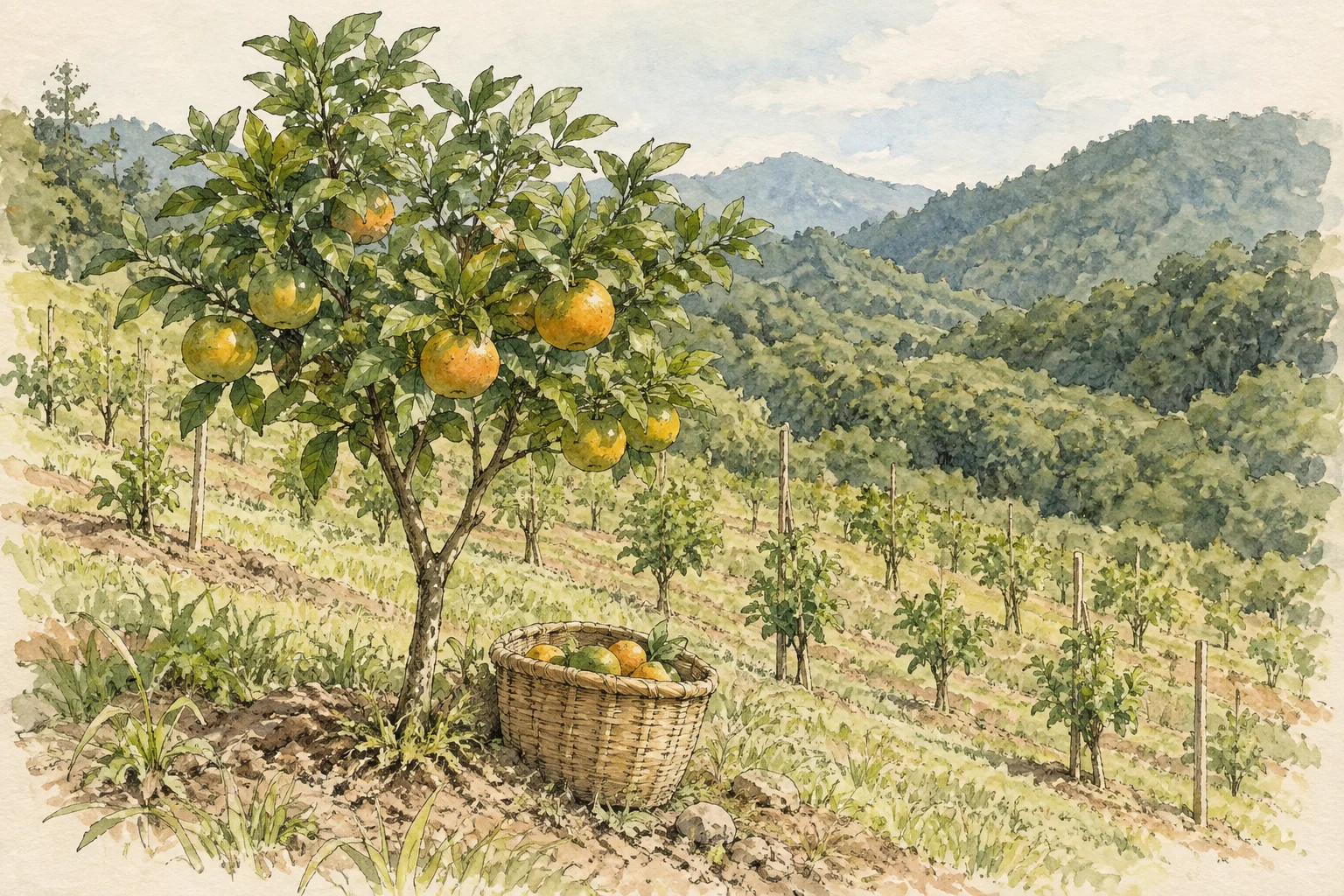
More than 5,000 Nanzhuang orange trees have been planted back in Taiwan’s Miaoli County, where the endemic citrus once dwindled to fewer than five wild specimens. On September 9, Taiwan’s Forestry and Nature Conservation Agency and a Saisiyat cooperative also signed a letter of intent to license a patent linked to products made from the fruit. The agency describes this as Taiwan’s first patent protection case involving an Indigenous crop and related products.
Recovery work began in 2019, building on forest co-management between the agency and the Saisiyat community in Nanzhuang. Seeds were collected, seedlings raised and trees returned to their home area. The species, threatened by foothill development and long considered to have little economic value, is listed as critically endangered by the IUCN. Recovery remains gradual: fewer than half the planted trees fruit reliably, and seedlings take about five to six years to bear fruit.
For the Saisiyat, the tree is a traditional food and health-use plant whose name means “food prepared by mother.” Its fruit was eaten, used in rituals and dried and powdered for colds or other discomfort. After obtaining community consent, the agency patented research involving processed Nanzhuang orange and a potential respiratory use, then moved to license it to the source community so future commercial benefits can be shared. Animal research found reduced lung inflammation indicators, but this does not prove a treatment works in people or constitute drug approval.