technology and innovation
Taiwan process turns overly salty egg whites into a versatile high-fibre food
A five-year research effort in Taiwan has transformed hard-to-use salted egg whites into a lower-salt ingredient suitable for everyday foods. The Livestock Research Institute reduced their salt concentration from 5.5% to 9% to below 1.5%, close to the saltiness of a Taiwanese tea egg.
Food processors in Taiwan generate more than 4,300 metric tons of salted egg-white byproduct each year after using the yolks in mooncakes and other baked goods. Although rich in protein, the whites have generally been discarded because they are extremely salty, crumble when heated and can cost businesses money to remove.
Researchers combined recipe design, desalination and texture adjustment, then added dietary fibre. Tests found that 100 grams of the resulting ingredient contained 9.9 grams of protein, 4.7 grams of dietary fibre, 0.3 grams of fat and 453 milligrams of sodium. Its improved texture makes it easier to shape and process, while its remaining savoury flavour may reduce the need for extra seasoning.
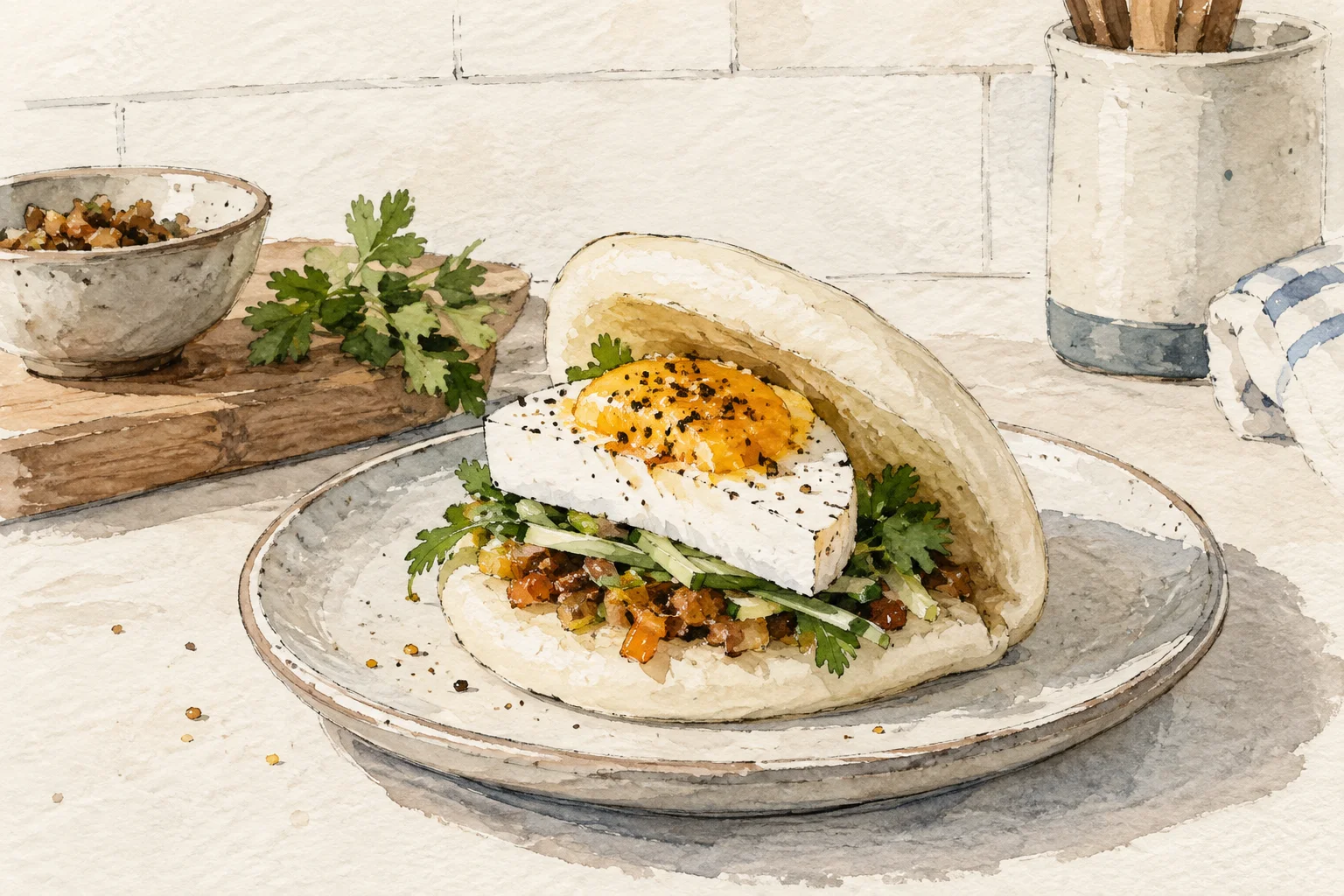
The institute says the ingredient could be used in sandwiches, gua bao, stir-fried noodles, cold dishes and hot-pot foods. It has licensed the technology to two food companies, creating a route for a troublesome byproduct to become a useful food ingredient.