health and healing
Teenager no longer needs transfusions after gene-editing treatment
Four months after receiving a gene-editing treatment, 19-year-old Mohammad no longer depends on blood transfusions, according to Berlin’s Charité hospital. The hospital says his treatment marks Germany’s first use of the CRISPR-based therapy in routine care, rather than a clinical trial.
Mohammad has beta-thalassaemia, an inherited disorder that disrupts production of haemoglobin, the protein in red blood cells that carries oxygen. People with severe disease need transfusions roughly every three weeks, with potentially serious side effects over time.
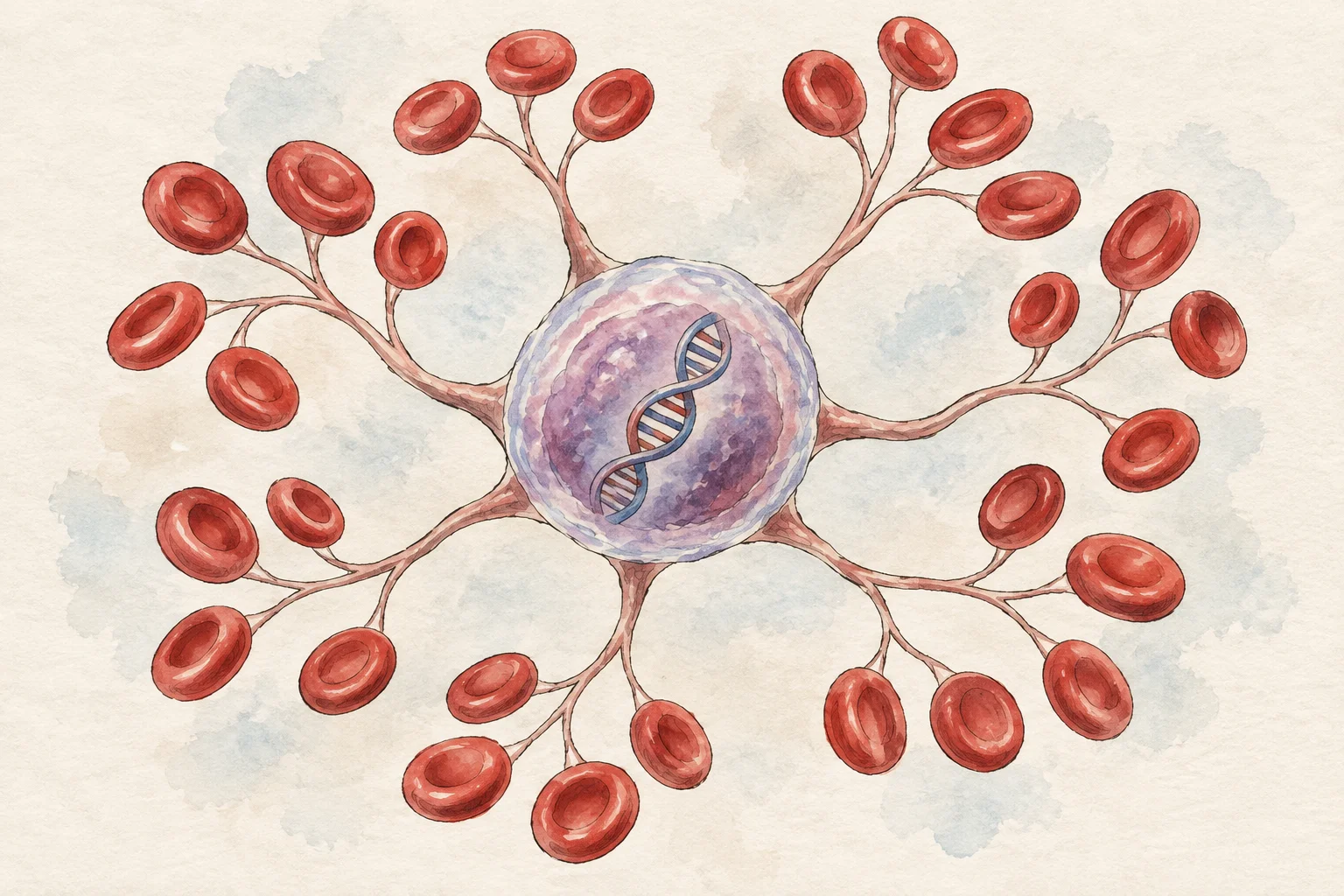
The treatment, sold as Casgevy, uses a patient’s own blood-forming stem cells. These are edited in a laboratory so they can produce a form of haemoglobin normally made before birth. Mohammad received the modified cells in May; his haemoglobin level is now within the normal range.
The procedure is demanding: patients first need high-dose chemotherapy, which can cause liver damage and infertility. Long-term safety and effectiveness remain uncertain, and treated patients must be monitored for 15 years. The therapy has been conditionally approved in the European Union since 2024 for certain patients aged 12 and over.
For now, the change is practical as well as medical: Charité says Mohammad can lead a normal daily life and wants to begin vocational training.