technology and innovation
Telescope network tracks 10-metre asteroid through 2026’s closest Earth flyby
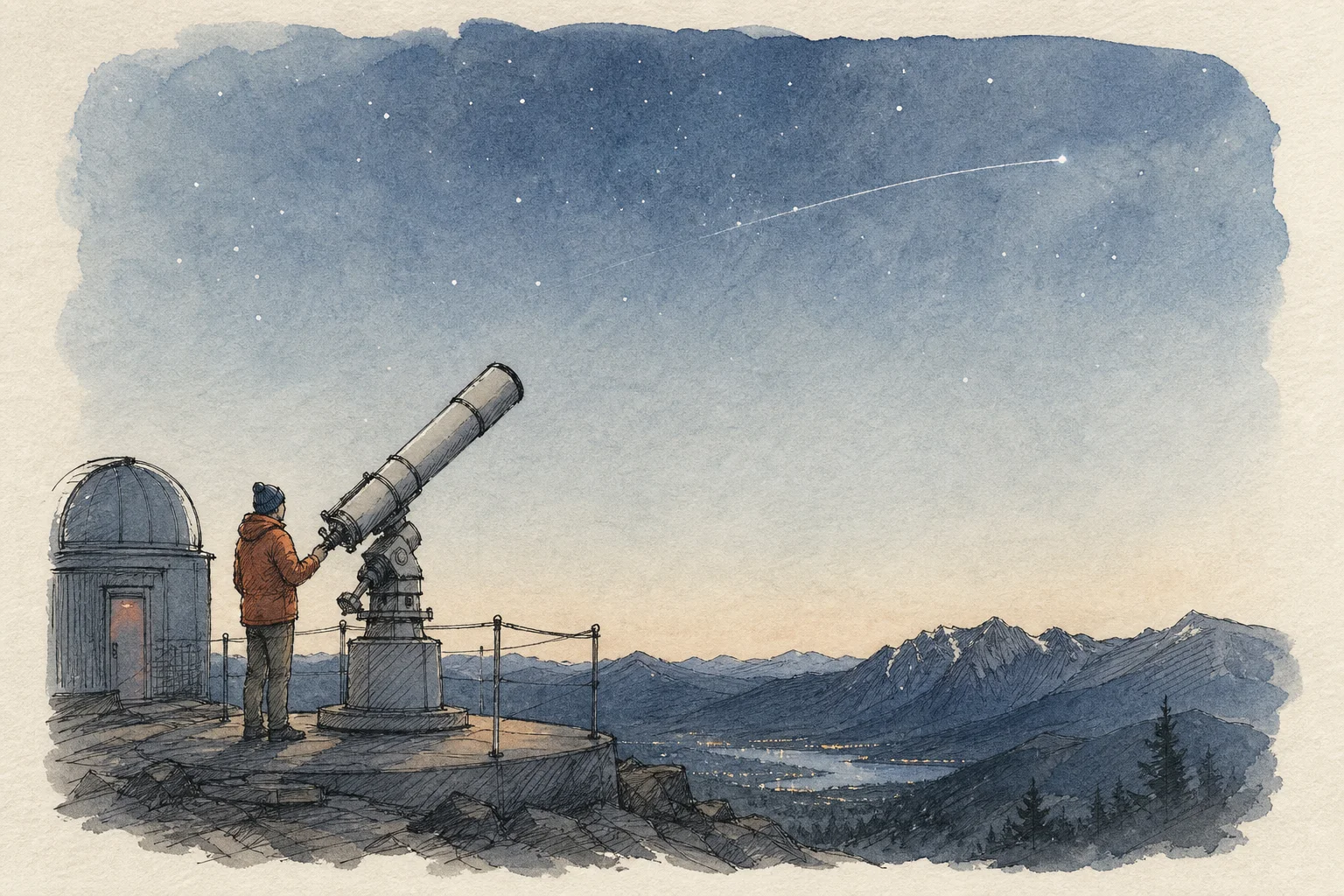
A planetary-defence telescope in the Canary Islands successfully detected a small, fast-moving asteroid shortly before it made the closest recorded approach to Earth of any asteroid in 2026. The object passed safely, and follow-up observations allowed astronomers to rule out an impact.
ATLAS-Teide spotted the roughly 10-metre-wide asteroid on 11 August. About a day later, on 12 August, it passed 14,573 kilometres above Earth’s surface, less than one-twentieth of the distance to the Moon and within the orbit of geostationary satellites. There was no danger of collision, and the object continued away without incident.
Initially listed as an unconfirmed candidate, the asteroid was observed by telescopes around the world. About 100 positional measurements enabled astronomers to calculate its orbit, confirm its harmless trajectory and assign it the designation 2026 PC6.
The encounter tested the purpose of ATLAS-Teide, which began systematic operations in May 2025. The telescope is designed to find small, dark objects that can remain invisible until shortly before a close approach. Since beginning regular work, it has discovered around 20 near-Earth asteroids and reported position and brightness measurements for more than 5,000. Such monitoring can provide valuable warning time if a future object is found to pose a genuine threat.