science and discovery
Thousands of luxury dishes recovered from ancient wreck off Türkiye
Underwater archaeologists have recovered thousands of ceramic objects from a roughly 2,100-year-old shipwreck off Adrasan, on Türkiye’s Mediterranean coast. Excavations begun in 2025 have identified tableware in 122 shapes and sizes, offering a detailed look at luxury dining and maritime trade in the ancient Roman world.
The cargo includes soup bowls, plates for fish and nuts, and serving trays. Much of this tableware is thought to have been produced around Rhosus, now Arsuz in southern Türkiye. According to Türkiye’s Culture and Tourism Ministry, these ceramics were prized in Rome.
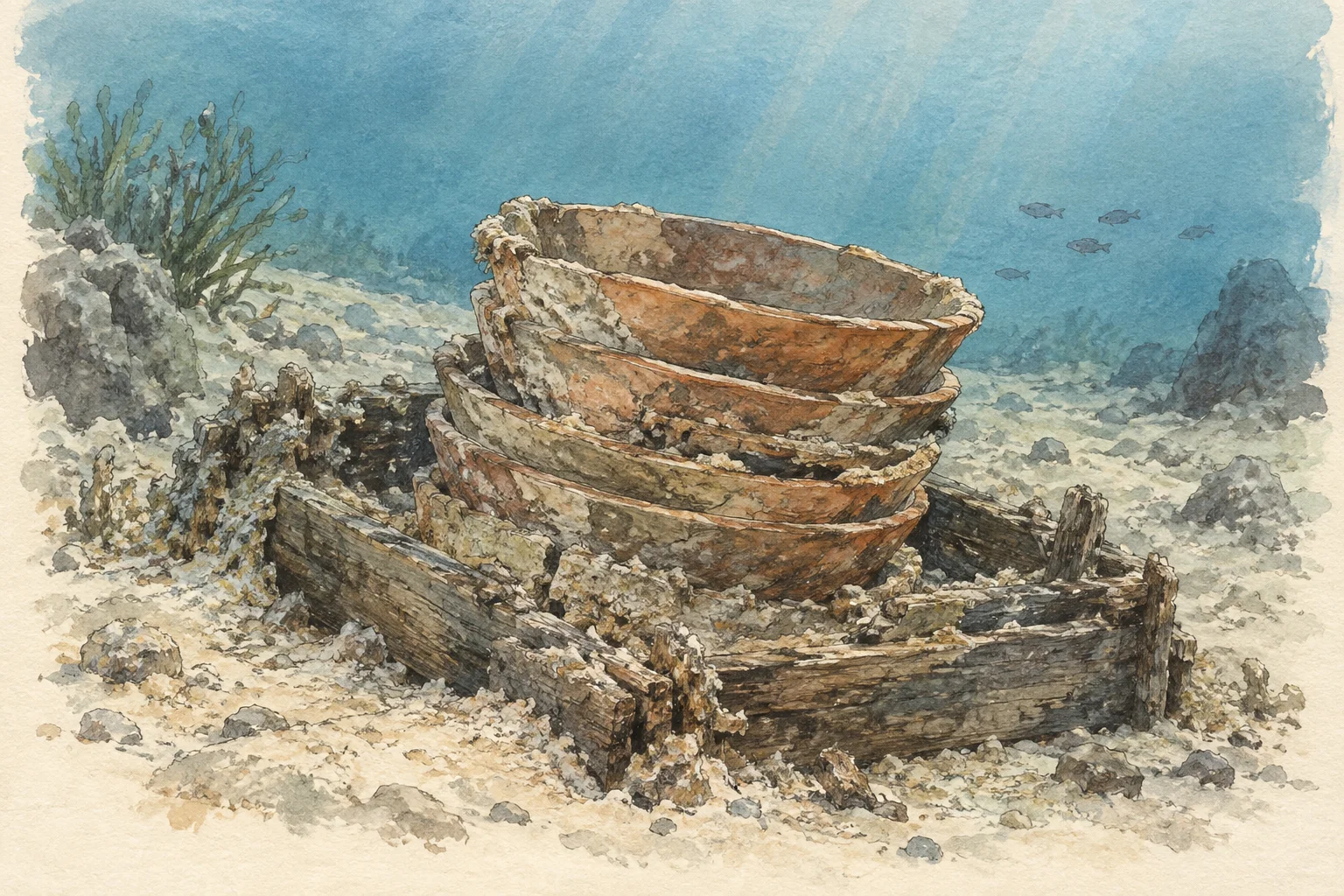
Their survival owes something to a practical packing choice. Clay placed between plates and bowls in wooden crates is believed to have helped prevent breakage when the ship sank, leaving many pieces in good condition after more than two millennia underwater.
The finds also connect with a written record: in 50 BC, the Roman statesman Cicero told his friend Atticus in a letter that he had ordered ceramic vessels from Rhosus for him. Coins found aboard help date the wreck to the middle of the first century BC, placing the cargo within a trading network linking the eastern Mediterranean with Greece and Italy.
Excavations continue at depths of 42 to 55 metres with support from underwater robots.