science and discovery
Timed pink noise strengthens brain-fluid waves during sleep
MIT researchers have found a way to amplify waves of cerebrospinal fluid in the sleeping brain using precisely timed, gentle bursts of pink noise. The result offers a new experimental tool for studying processes that transport nutrients and waste products through the brain.
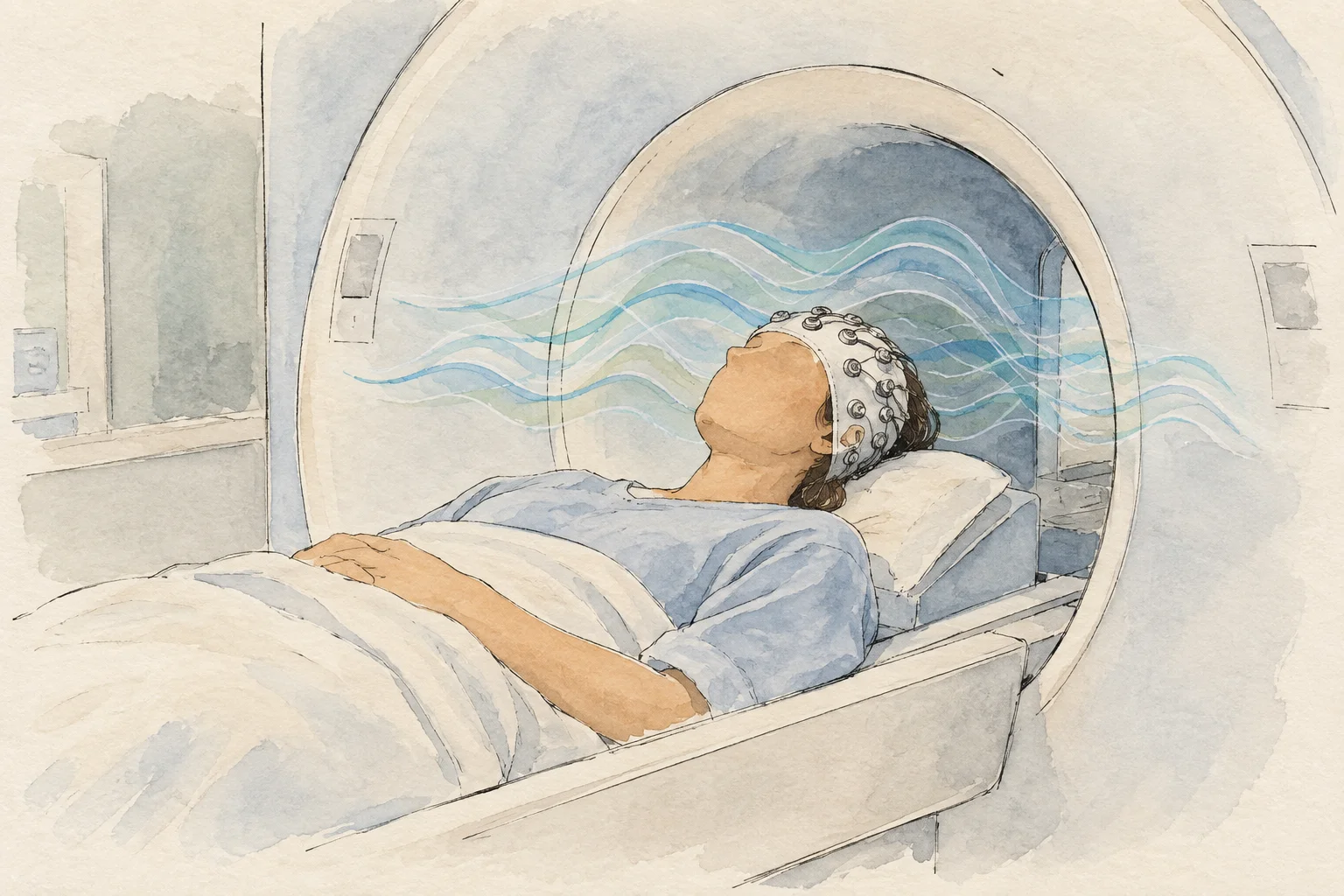
In the study, published in Science Translational Medicine, 14 healthy adults slept inside an MRI scanner while electroencephalography recorded their brain activity. The team developed a system that removed MRI interference from the electrical signals in under 100 milliseconds. An algorithm then predicted the peaks of slow brain waves, allowing researchers to deliver 50-millisecond sound pulses at the right moment.
The pink noise, a balanced static sound resembling steady rain or a distant waterfall, was too quiet to wake participants. Yet it increased the amplitude of both their slow electrical waves and subsequent cerebrospinal-fluid waves. Brain imaging also linked the slow waves to changes in blood-vessel size that help drive fluid movement.
These slow waves occur during non-REM sleep and become strongest in its deeper stages. Researchers now hope to test whether enhancing the fluid waves can improve sleep or support waste removal. The small study did not measure the clearance of beta-amyloid or tau, improve memory, or involve people with Alzheimer’s, so the method remains a research tool rather than a treatment.
Sources
- infobaeRuido rosa durante el sueño profundo: el MIT halla una forma de potenciar la limpieza cerebral
- Libertad DigitalEl sorprendente sonido que estimula tu cerebro mientras duermes
- Noticias SINPara curar el Alzheimer científicos buscan activar durante el sueño el sistema de limpieza del cerebro
- InfosalusLa ciencia descubre el sonido que debes escuchar al dormir para...