science and discovery
Tiny beach diggers can rival rivers at moving sand
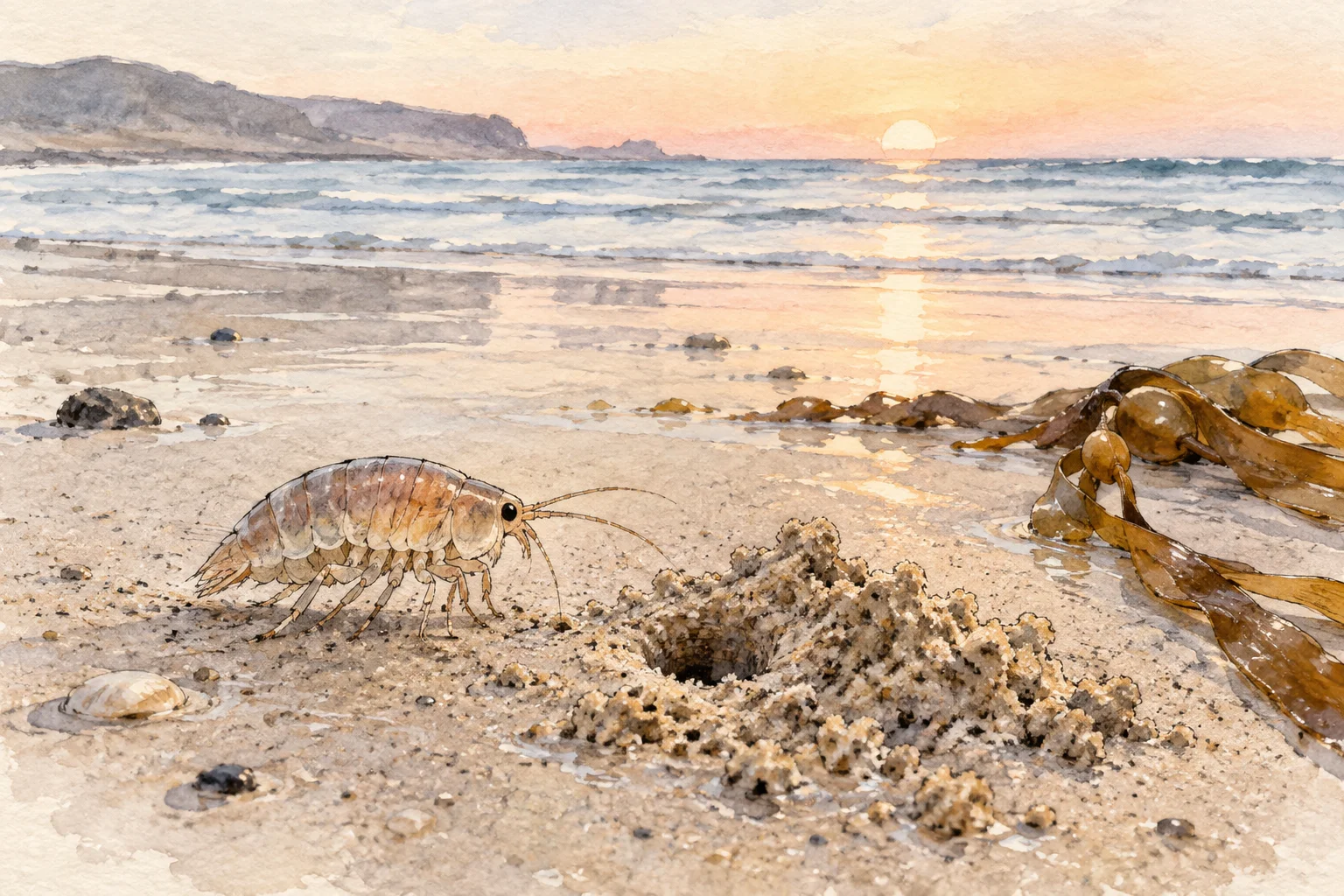
A new study on California’s Isla Vista Beach has measured the surprising digging power of sand hoppers: each of these tiny, shrimp-like animals excavates more than ten times its body weight per burrow.
The creatures emerge at night to eat washed-up kelp and seaweed, then dig fresh homes in damp sand. Researchers marked out plots after high tide and returned in the morning to collect and weigh the sand piled above the surface. The busiest stretches yielded up to 50 kilograms per metre of shoreline overnight.
When the team extended its estimates across 25 kilometres of Southern California coastline, the amount of sand moved was comparable to the daily sediment carried by some of the region’s rivers. The findings were published in the Journal of Geophysical Research: Earth Surface.
That comparison comes with an important limit: direct measurements covered one beach on one summer night. Researchers do not yet know how much excavated sand settles back or gets carried away by wind and waves, potentially helping build dunes.
Still, the hoppers already play several valuable roles, recycling nutrients from seaweed and feeding shorebirds. Mechanical beach grooming can remove their food and disrupt their burrows. The study gives coastal managers another reason to consider these easily overlooked animals when caring for beaches.