science and discovery
Tiny fossils challenge the timeline of animal origins
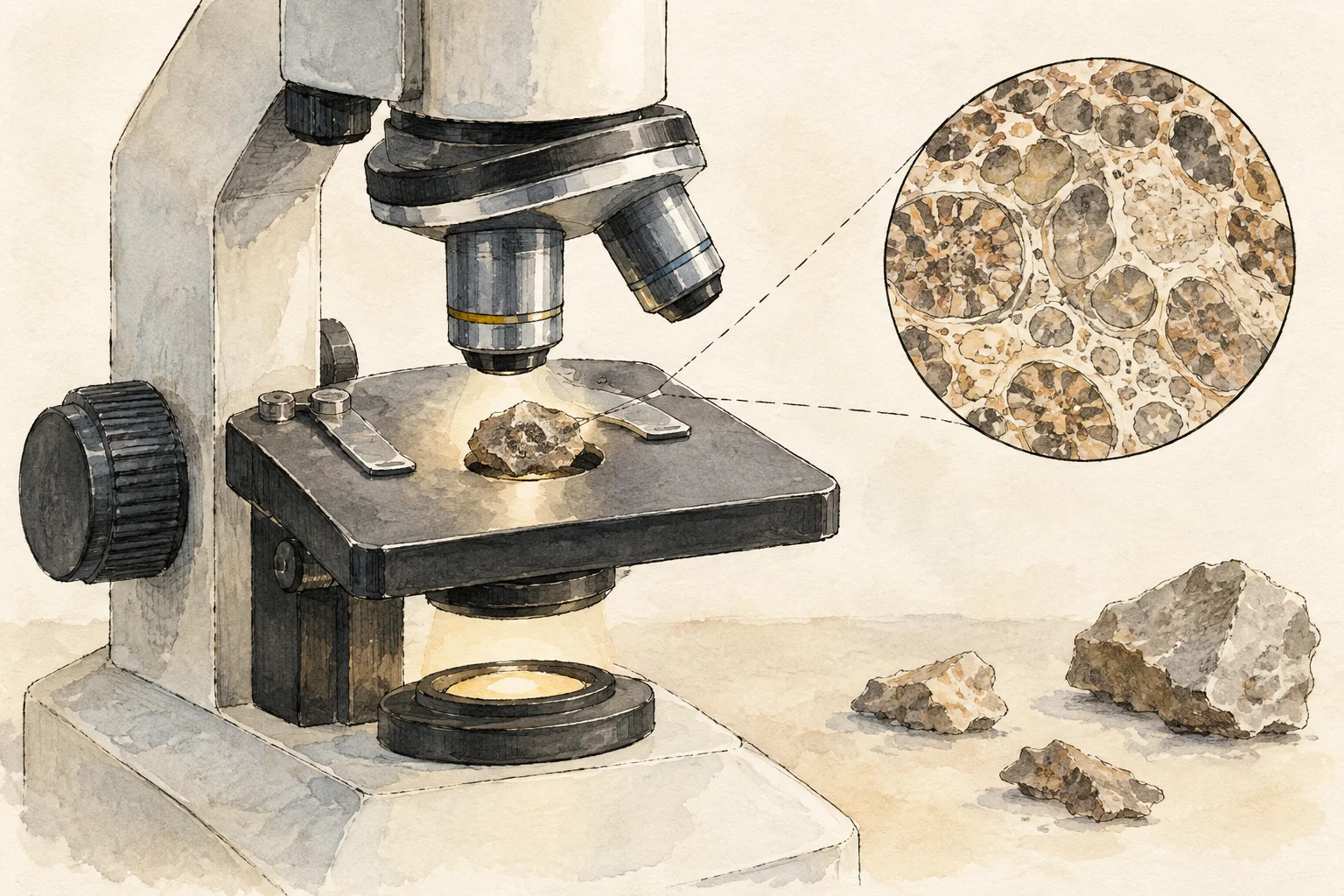
Researchers studying microscopic fossils in Mongolia have weakened a key argument about when animal life began. Their findings suggest animals could have emerged up to 200 million years earlier than their oldest unmistakable fossils indicate.
The Oxford-led study, published in Science Advances, examined more than 140 samples from the Kheseen fossil deposits. Some preserved structures as delicate as internal cells, yet none could be confidently identified as animals. Crucially, animal fossils from that period are known elsewhere.
That matters because scientists had used a similar, older deposit in China to help limit estimates of animal origins. The 590-million-year-old Weng’an deposits preserve microscopic life in extraordinary detail but no definite animals. Researchers had reasoned that animals would have been preserved there if they existed.
The Mongolian findings challenge that assumption: excellent preservation does not guarantee a complete record of life.
The team then used older fossil deposits as reference points in a “molecular clock” analysis, which compares genetic differences among living species to estimate when their ancestors lived. This shifted the estimated origin of animals back to between 700 million and 800 million years ago.
No animal fossils that old were found, so the date remains uncertain. But the study strengthens the case for searching older rocks across different environments for the missing evidence.