Technology and innovation
Tiny magnetic robots pass early tests for targeted heart treatment
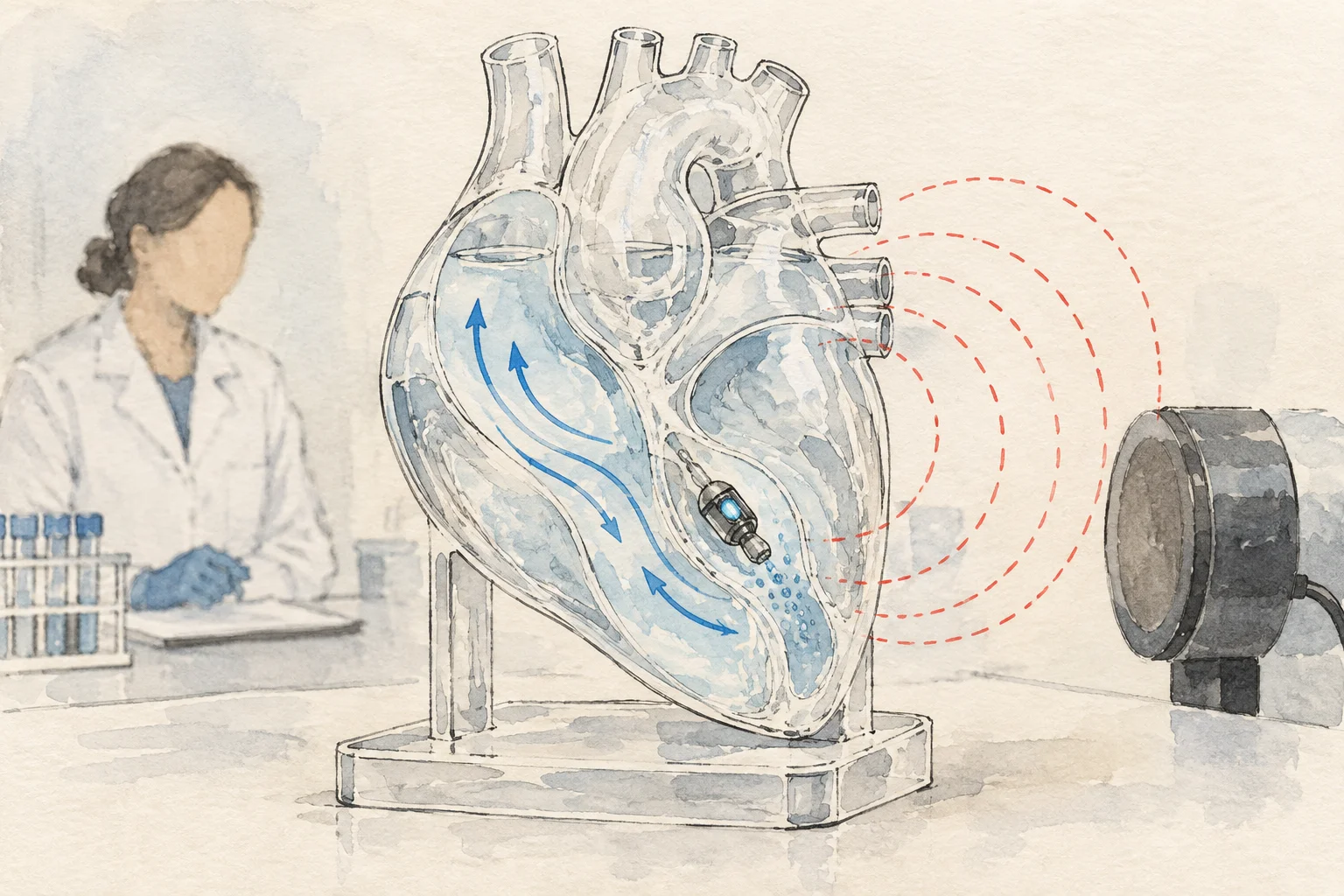
Engineers at Johns Hopkins University have guided tiny magnetic robots through an artificial heart, even against simulated blood flow. In separate experiments, they tested the devices’ ability to attach to pig heart tissue. The results mark an early step toward delivering medicine directly to dangerous heart infections.
Each robot is roughly as wide as a pencil tip and as long as a grain of rice. The design pairs a tissue-gripping anchor with a delivery robot that docks magnetically and slowly releases its cargo. The delivery unit can then detach, making way for another dose. External magnetic fields steer the robots, so they need no onboard motors or batteries.
In the reported trials, docking succeeded every time and undocking succeeded in 93% of attempts. The delivery robot also released a small volume of liquid over three hours.
The intended target is infective endocarditis, an infection of the heart’s inner lining that often affects its valves. Treatment usually requires weeks of intravenous antibiotics; some patients also need surgery.
The study, published in Advanced Materials Technologies, did not show that the robots could cure an infection, and they are not ready for human trials. Next, researchers plan tests in heart models that also reproduce the contractions of a beating heart.