science and discovery
Two more birds can call as loudly as a jackhammer
Scientists have identified two more birds whose calls reach jackhammer-like volumes, adding new contenders to the title of the world’s loudest bird.
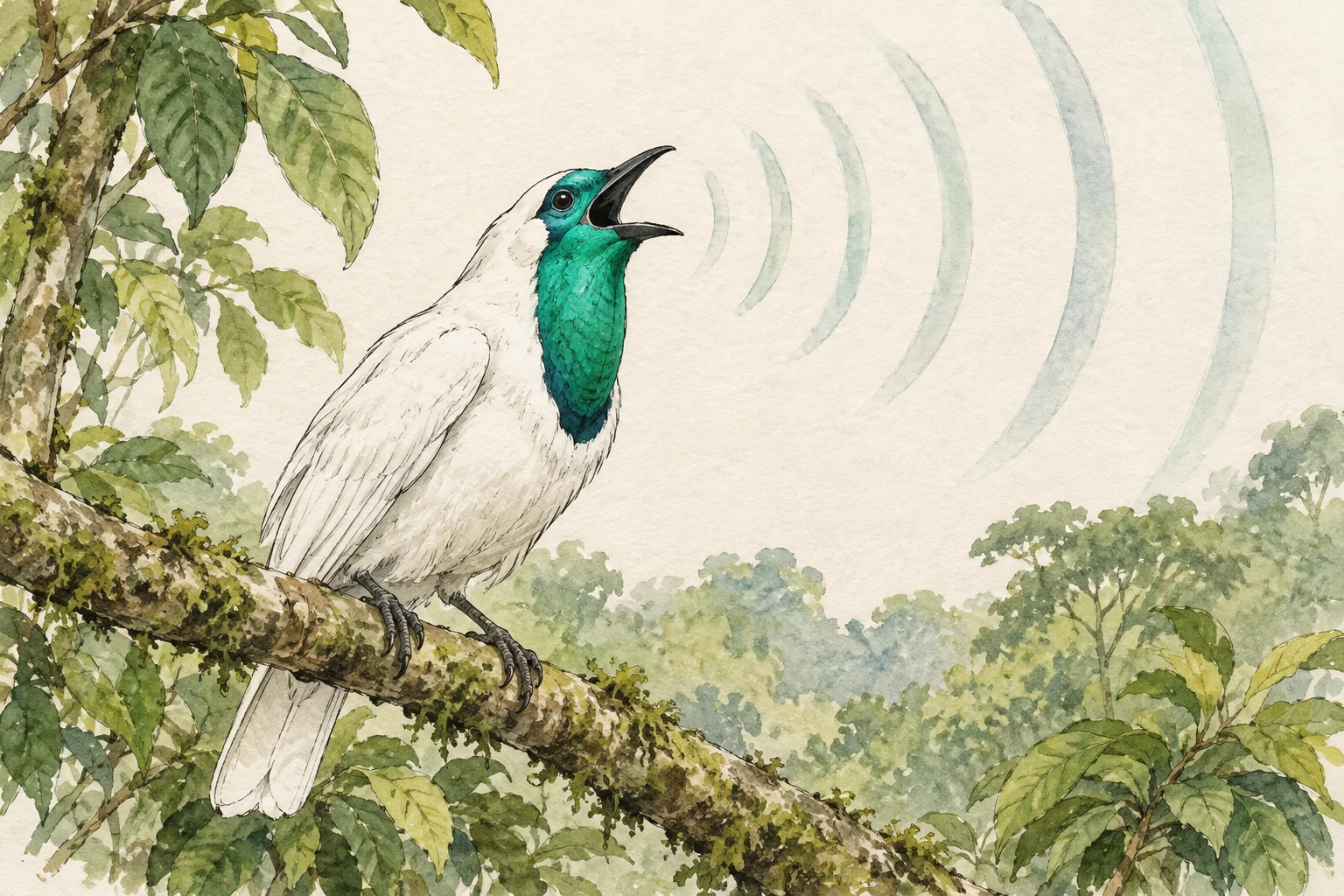
The bare-throated bellbird and red-legged seriema both exceeded 120 decibels, with measurements standardized to a distance of one metre. They join the white bellbird, already recognised for its extraordinary volume. There is no clear winner: rankings change depending on whether researchers compare individual calls or averages across birds.
The findings, published in Evolution, come from University of Massachusetts Amherst biologists who measured calls from 123 species in Brazil and Massachusetts. The study provided the first loudness measurements for 113 of those species.
Working in the wild meant measuring sound and distance at the same time, before a bird fell silent or flew away. The team paired portable sound meters with laser rangefinders of the kind used by golfers, then adjusted for distance and background noise.
Birds with wider beak openings tended to be louder. Larger bodies also appeared to help, although the small numbers of individuals measured for many species make that link less certain.
Yet habitat and mating behaviour did not explain the loudest calls. The bellbirds live in forests, while the similarly loud seriemas inhabit open savannas. What drove these birds to such vocal extremes remains an open question.