science and discovery
Viral DNA in medieval parchment helps trace 3,700 years of sheeppox
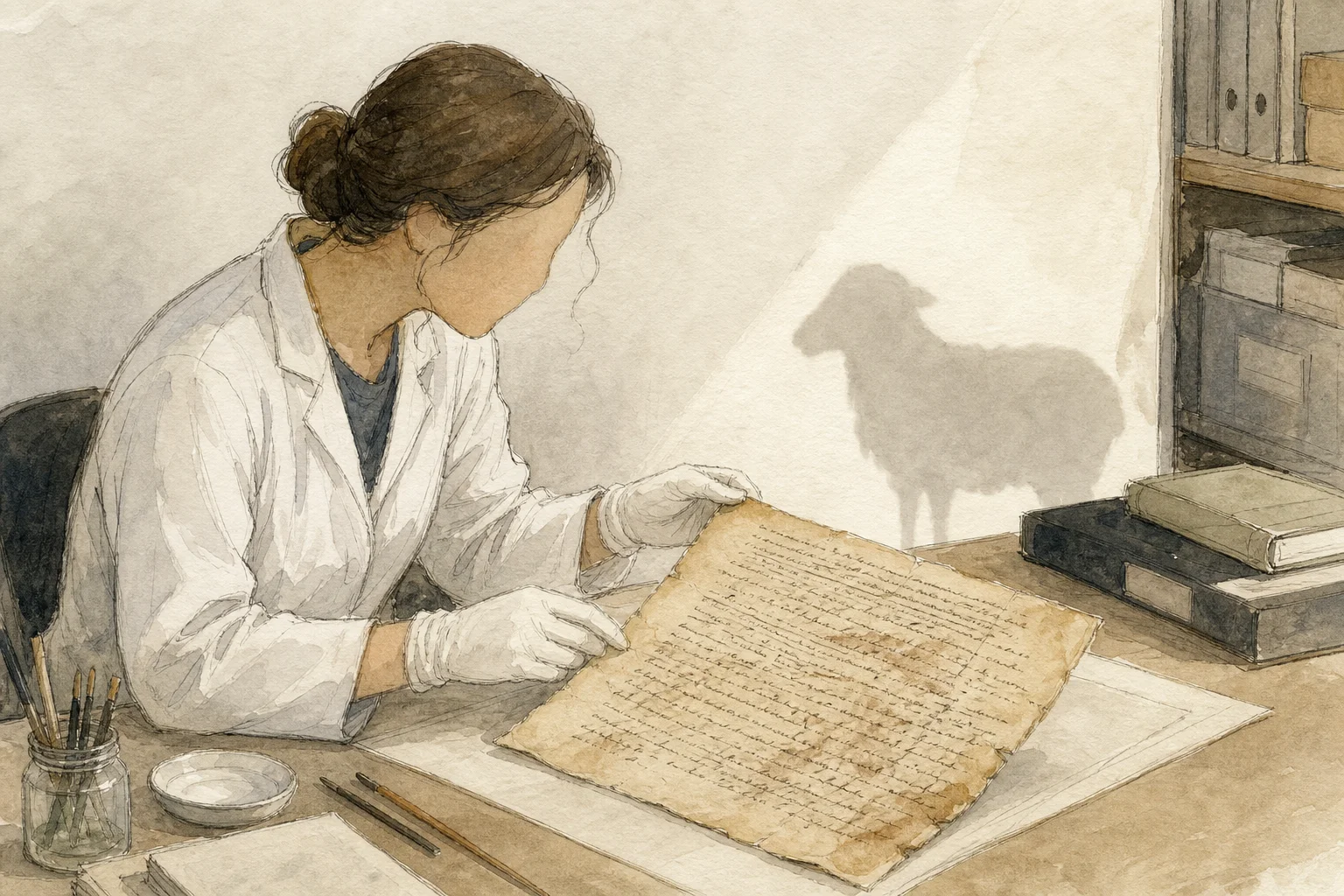
Researchers have reconstructed more than 3,700 years of sheeppox evolution by recovering viral DNA from medieval parchment and Bronze Age sheep teeth. The international team, led by University College Dublin, found that animal skins used as writing material can preserve evidence of livestock infections for centuries. Their study in Science Advances reports 21 new ancient viral genomes.
Traces appeared in manuscripts from Britain and continental Europe, including the roughly 1,000-year-old York Gospels and the Corpus Glossary, one of the earliest English dictionaries. Several pages within some volumes carried viral DNA, suggesting that infected animals supplied skins for their production. DNA also appeared on calfskin and goatskin parchment, although researchers cannot yet tell whether that reflects rare cross-species infections or contamination during parchment making.
Older evidence came from sheep teeth found at pastoralist settlements on the Eurasian steppe, pushing the virus’s known history back to about 1700 BCE. Comparisons with modern strains suggest the sheeppox genome changed relatively little over the millennia studied. The findings also connect the early history of related viruses with an era when domesticated sheep were moving into new regions.
Sheeppox remains a highly contagious threat that can kill young animals and reduce wool, meat and milk production. By turning library collections into biological archives, researchers now have a new way to examine how this enduring livestock disease evolved.
Sources
- Ars TechnicaMedieval manuscripts are "biological time capsules" for deadly sheeppox virus
- EurekAlert!Hidden DNA in medieval gospels reveal history of deadly livestock virus
- Irish Farmers Journal InteractiveHidden DNA traces sheep pox back at least 3,500 years
- Archaeology News Online MagazineDNA traces on medieval parchment reveal 3,700-year history of deadly sheeppox virus | Archaeology News Online Magazine