Technology and innovation
China’s ocean forecasting upgrade improves predictions of typhoon waves
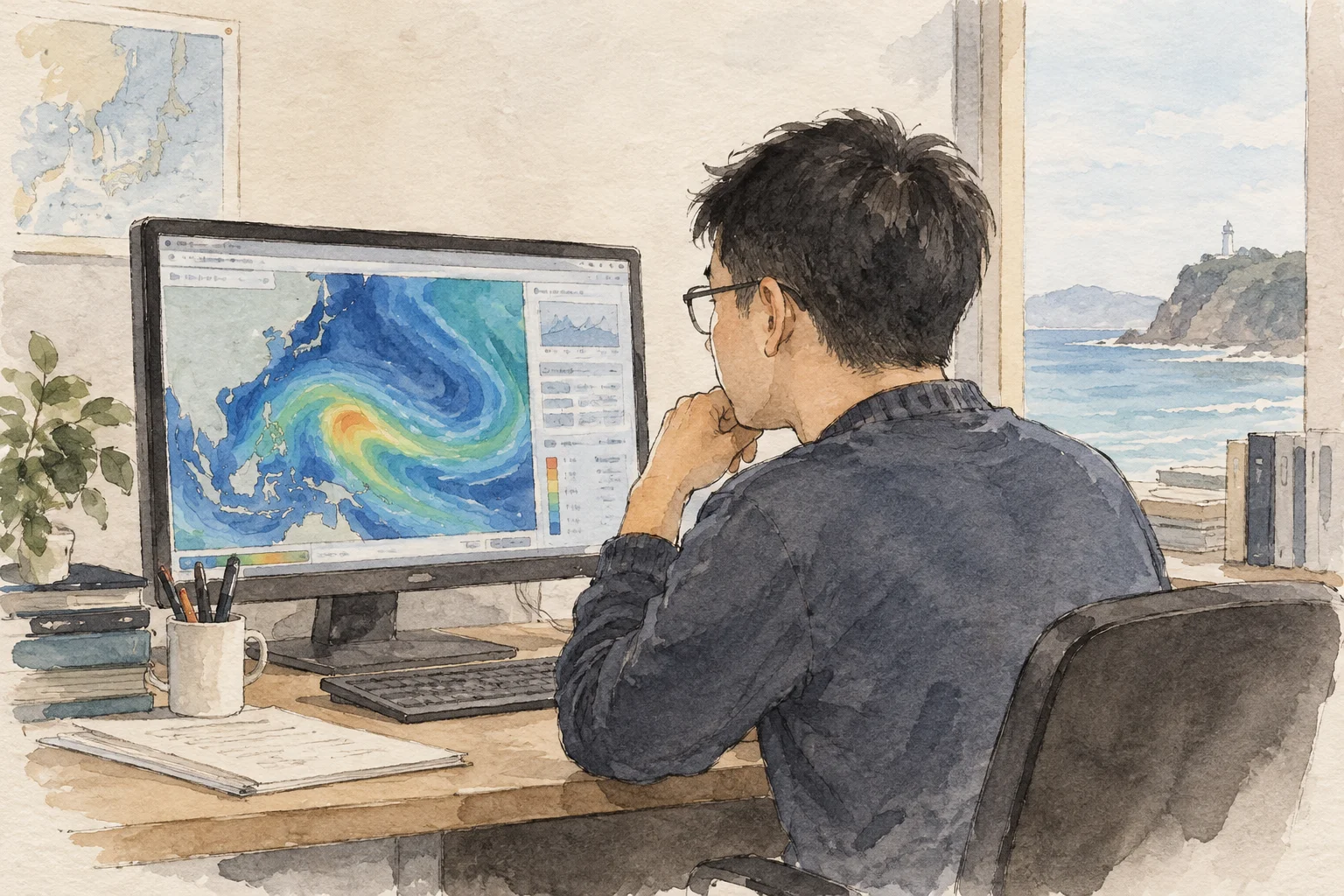
China’s upgraded Mazu ocean forecasting system can simulate typhoon-driven waves more accurately and capture smaller-scale ocean changes in greater detail, according to the National Marine Environmental Forecasting Center. The centre released version 2.0 on 1 November.
The system uses computer models to predict currents and waves. Its current model can vary the level of detail from global oceans to specific sea areas, while new features extend its use to sea ice and marine ecosystems.
The centre says testing and expert review found that forecasts of seawater temperature, salt content and current speed reached the standard of leading international models. Accuracy for a key measure of wave height was comparable to models from the European Centre for Medium-Range Weather Forecasts and the US National Oceanic and Atmospheric Administration.
The upgrade builds on current and wave models first released in 2021 and 2023. Mazu’s code is openly available, and the model family has been deployed across China’s coastal provincial forecasting agencies. Teams have also provided technical training and helped transfer the models to Indonesia and Bangladesh.
A Mazu-based current and wave forecasting system has also been trialled aboard China’s polar research icebreaker Xuelong 2, bringing detailed forecasts directly to an expedition ship.