Science and discovery
Dinosaur bone yields blood clues from 115 million years ago
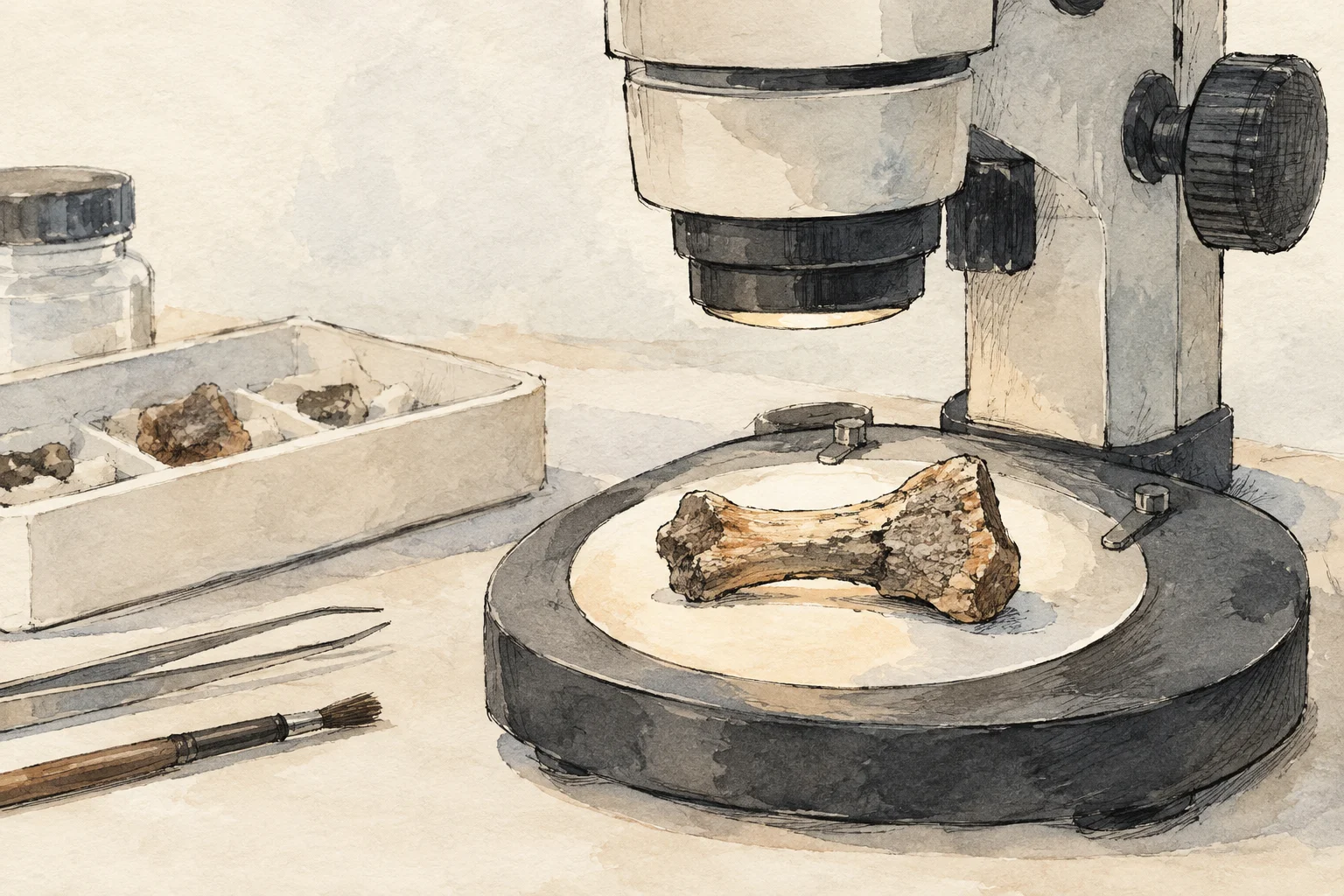
Researchers have detected heme, a molecule that helps blood carry oxygen, in a 115-million-year-old dinosaur fossil from Brazil. The finding offers a way to investigate ancient life beyond the shape of its bones. Led by Kliti Grice at Australia’s Curtin University, the team studied leg bones of Aratasaurus, a small meat-eating dinosaur discovered in a mine in 2008.
Microscope images revealed tiny cell-like structures inside channels where blood vessels once ran. Chemical tests detected heme and its breakdown products, along with amino acids associated with collagen, a protein found in connective tissues. The researchers interpret the structures as mineralised red blood cells, not cells preserved unchanged. They suggest a manganese-containing mineral helped stabilise these delicate traces during fossilisation.
That interpretation remains debated. Palaeontologist Mary Schweitzer, who was not involved in the study, finds the molecular evidence more persuasive but questions whether the structures have the shape expected of dinosaur blood cells. Grice says independent testing of more fossils is the next priority.
Published in Proceedings of the National Academy of Sciences, the work does not establish that dinosaur DNA or whole proteins survived. Its promise is different: fossils already held in museum collections may contain overlooked molecular clues that, with careful testing, could help scientists understand how extinct animals’ bodies worked.
Sources
- The GuardianFossilised red blood cells found in 115m-year-old dinosaur's bone, say scientists
- ScienceAlertDinosaur Blood Cells Detected in 115-Million-Year-Old Fossil
- www.curtin.edu.auDinosaur blood – oldest discovery rewrites what fossils can reveal about the past | News at Curtin
- www.abc.net.auMolecular traces found from 115 million-year-old 'dinosaur blood'