Science and discovery
Compost helps potatoes thrive in simulated lunar soil
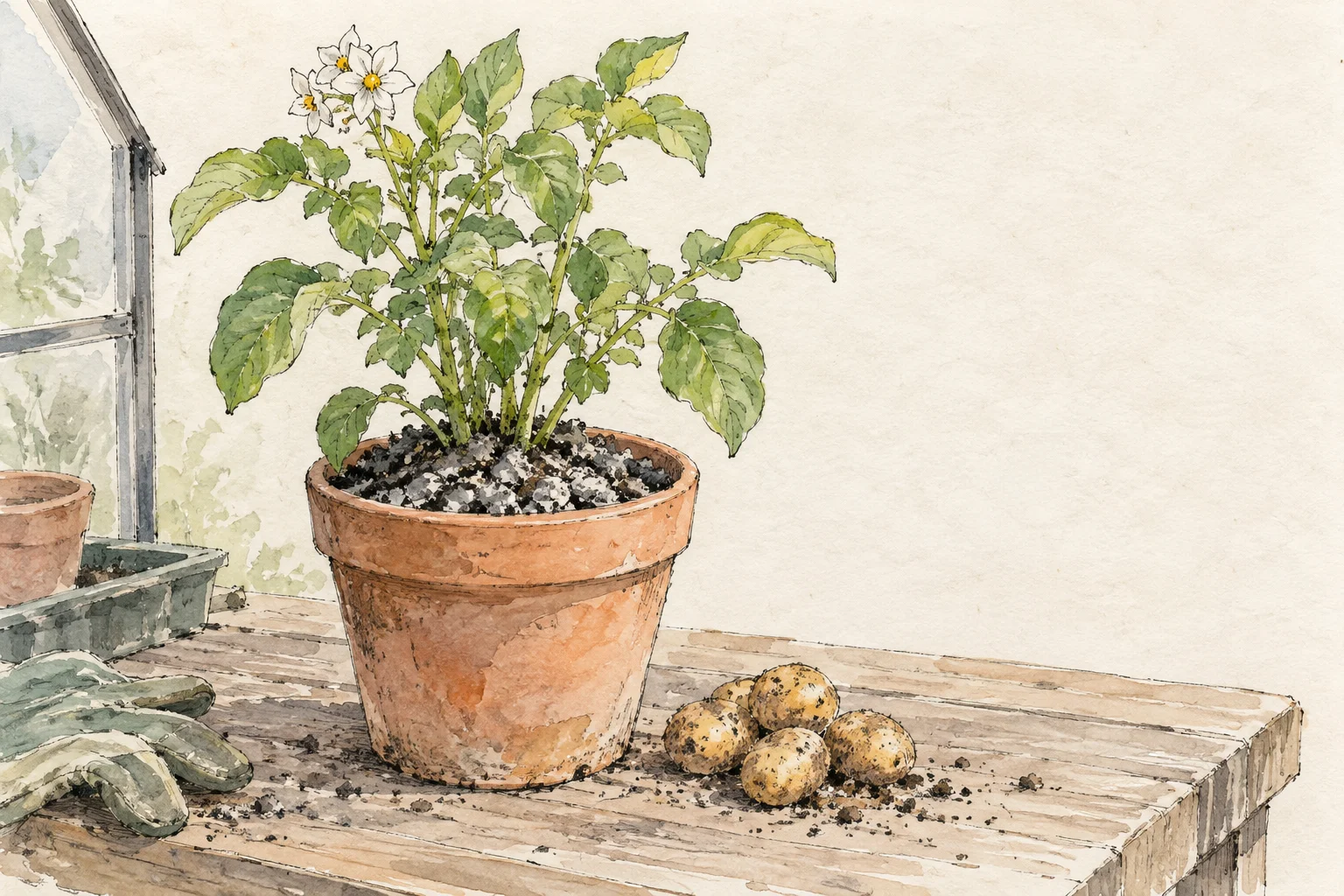
Potatoes grown in simulated lunar soil have matched the yields of plants grown in Earth soil, with help from compost produced by earthworms. The NASA-funded study by Oregon State University researchers also found that the harvested potatoes retained their nutritional quality and were safe to eat.
The challenge is that the Moon’s surface material, called regolith, is crushed rock and dust rather than fertile soil. It lacks nitrogen, an essential plant nutrient, and contains metals that can become toxic to crops. In the greenhouse experiment, potatoes planted in simulated regolith without compost developed almost no roots or tubers.
Adding enough vermicompost, made when earthworms break down organic waste, brought growth and yields into line with potatoes grown in soil from Oregon. Researchers believe the compost also binds metals, making them less available for plants to absorb.
The results, published in npj Microgravity, are not a demonstration of farming on the Moon. All tests took place on Earth, and the small pots produced small potatoes, generally weighing less than 10 grams, including those grown in ordinary soil.
The work nevertheless points to a possible way to grow food while recycling waste. Future crews could turn food scraps and plant remains into more compost, reducing the growing materials they need shipped from Earth.