Science and discovery
Four fossil teeth point to two ancient human groups in southern China
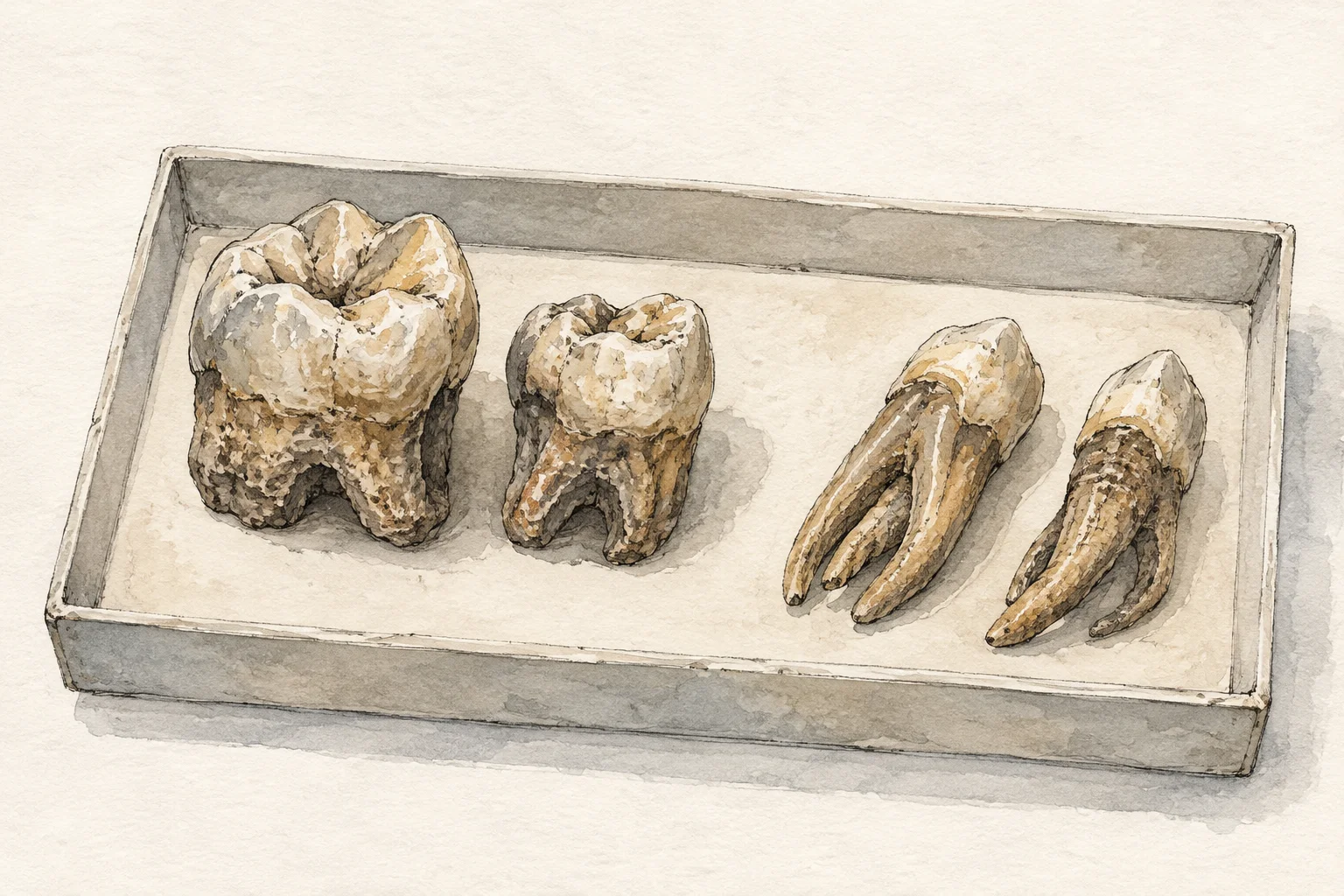
Four teeth from two caves in southern China have yielded the first fossil evidence that people closely related to Denisovans lived in the subtropical region of Lingnan. They also point to a second ancient human group whose place on the family tree is still unclear.
Heat and humidity make ancient DNA difficult to recover in this part of China. But an international team recovered proteins from the enamel of three of the teeth. As the researchers reported in Nature, they compared both the proteins and the shapes of the teeth with those of other human fossils.
At Longchuandong cave, a molar about 42,600 years old closely resembled one from Denisova Cave in Siberia. Enamel proteins from the molar and a second tooth, about 104,500 years old, strengthened the Denisovan link. The finds extend the known range of Denisovan relatives from cold Siberia and the high Tibetan Plateau into subtropical southern China.
At Chuanshandong cave, two premolars at least 100,800 years old may have belonged to one person. Their complex roots resemble those of Homo erectus, an earlier human species. But neither tooth shape nor the proteins preserved in one tooth could settle whether this was a surviving Homo erectus population or a different lineage.
Sources
- La Voz de GaliciaCuatro dientes fósiles revelan que los denisovanos convivieron con un misterioso linaje humano primitivo en el sur de China
- Agencia SincHallan restos de denisovanos y de un linaje humano desconocido en China
- www.yahoo.com100,000-year-old tooth found in Chinese cave may be from unknown human lineage