Technology and innovation
Researchers redesign a tough plastic so an enzyme can break it down
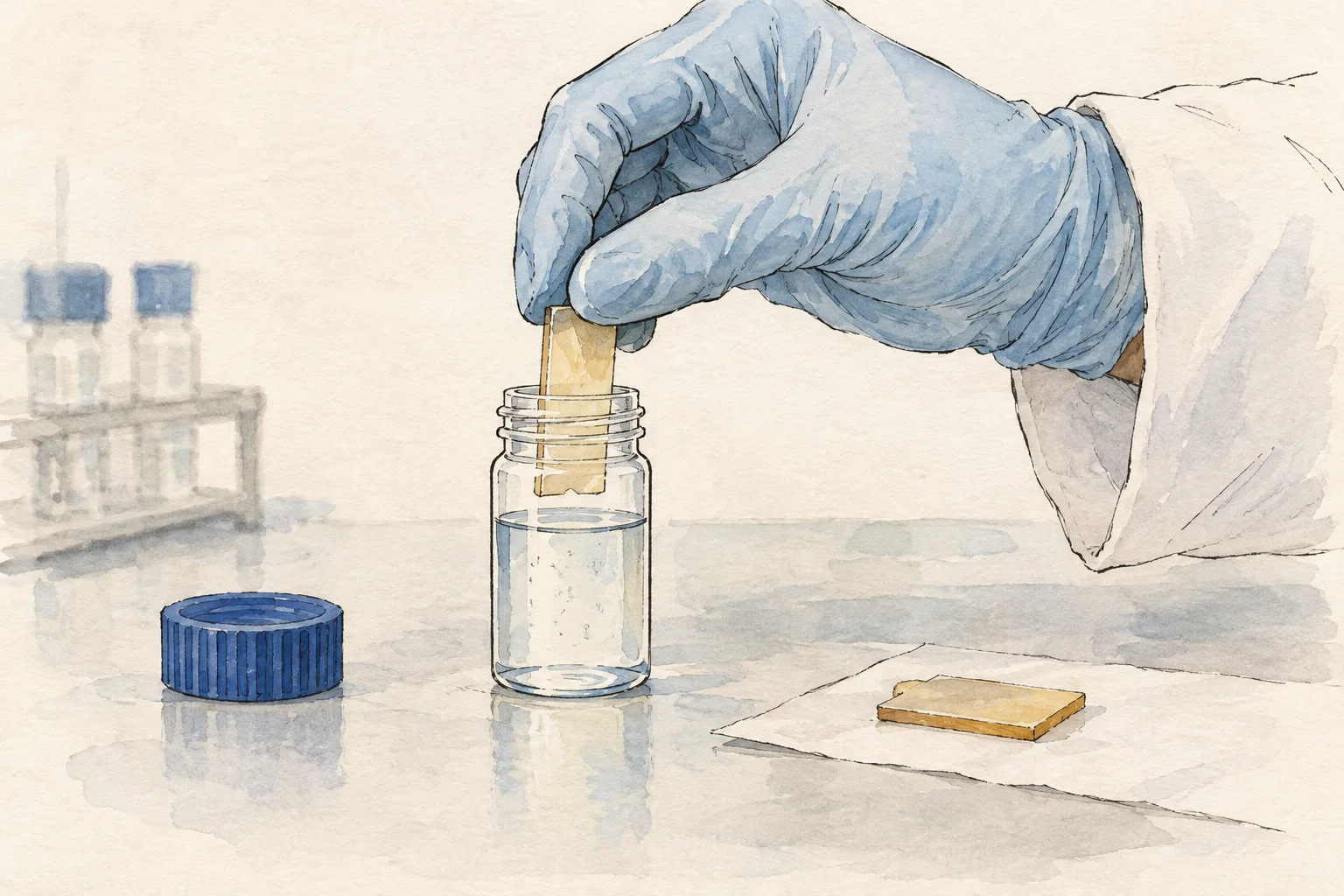
A team co-led by Spain’s National Research Council has shown that a modified fungal enzyme can break chemical bonds in a redesigned polyester resin. In a five-hour lab test at 40°C, the enzyme, called RancoR, released about four times as much breakdown product from the new resin as the original enzyme did.
The resin belongs to a family of plastics called thermosets, prized in cars, aircraft and buildings because they are light and strong. Once the plastic sets, a network of chemical bonds holds it together. Unlike the plastic in many bottles, it cannot be melted and reshaped. Much of the waste ends up in landfills or incinerators.
The researchers changed both the material and the enzyme. They replaced some ingredients in a commercial resin to create bonds an enzyme could cut, while preserving important properties such as how the material responds to heat. They also adapted the fungal enzyme to cut those bonds more effectively.
The study, published in Science Advances, demonstrated the approach on the redesigned resin, not on existing car or aircraft parts. The team says the process needs to become considerably more efficient before it could be used on an industrial scale.
Sources
- okdiario.comUn equipo español rediseña un plástico "imposible de reciclar" para que una enzima lo rompa: "Todavía estamos en una fase inicial"
- ECOticias.comUna enzima creada por el CSIC logra romper una versión rediseñada de un plástico que hoy no se puede reciclar
- Agencia SincUna enzima logra descomponer plásticos rediseñados no reciclables