science and discovery
Norway’s largest Viking-age coin hoard passes 5,000
Archaeologists and metal-detector enthusiasts have recovered about 5,200 silver coins from a field in eastern Norway, extending the country’s largest known Viking-age coin hoard.
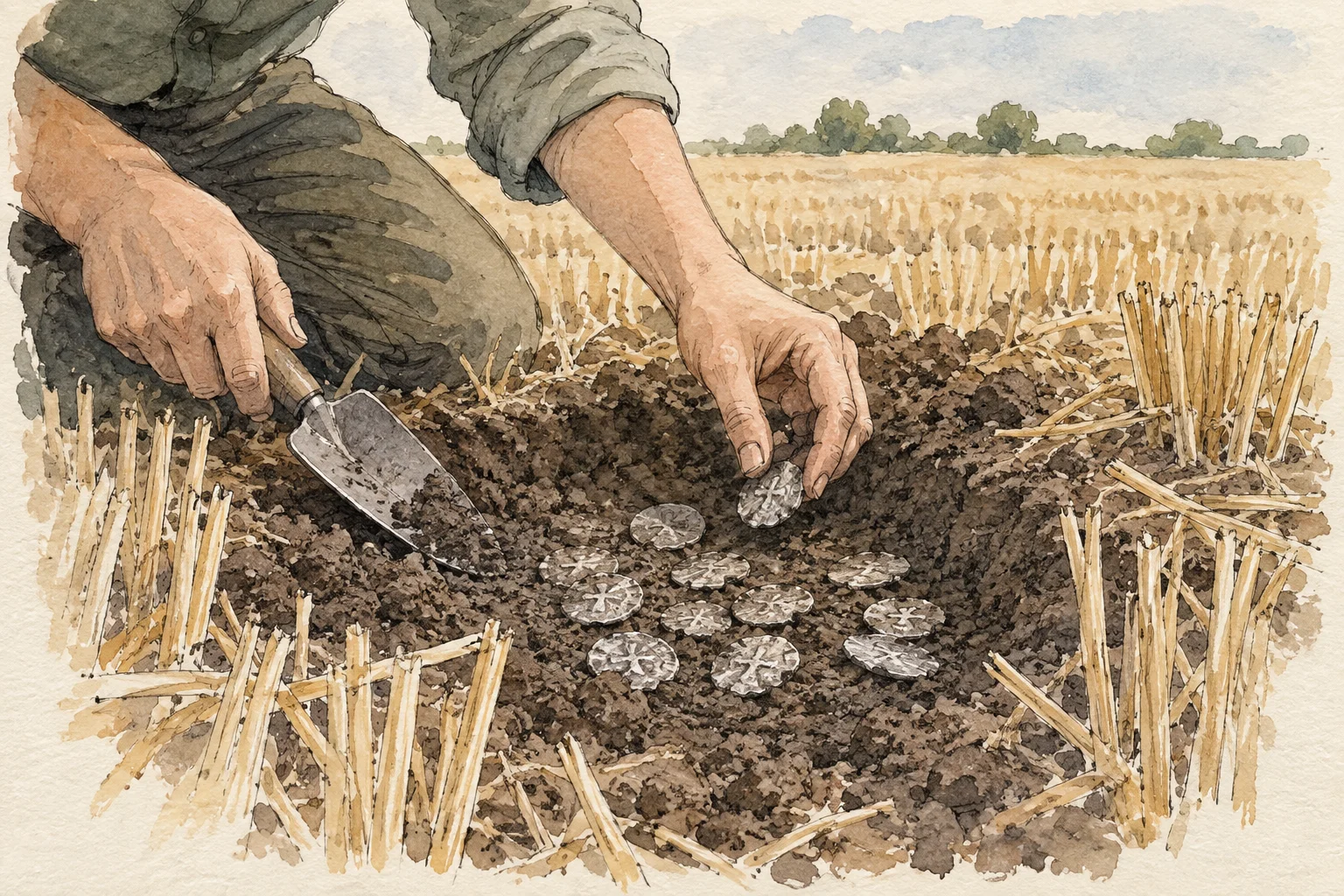
Discovered in April 2026, the hoard had yielded 4,886 coins before searches paused for summer farming. Excavations and radar surveys had shown no clear signs of more. But after the grain harvest, archaeologists, amateur searchers and the landowner returned and found hundreds more. Detectors are still registering signals, apparently from deeper soil, so the final count remains unknown.
Four Norwegian coins minted during King Harald Hardrada’s reign suggest the silver was buried around 1046–1047, close to the end of the Viking Age. The collection includes Scandinavian and foreign coins, giving researchers evidence of connections across the North Sea.
Some English coins carry the names Beorn, Aslak and Ketil, identified by coin specialist Anna Skogsfjord. Their Scandinavian-sounding names raise questions about Viking involvement in English coin production, although the identities and backgrounds of these makers remain uncertain.
Specialists at the Museum of Cultural History are cataloguing the collection, work expected to take at least a year. Why anyone buried so much silver in this particular field remains a mystery: archaeologists have found no buildings or graves to explain the choice.