Technology and innovation
South Korean solar drone flies for a week without landing
A solar-powered drone developed in South Korea has stayed airborne for 170 hours and five minutes, more than tripling the country’s previous drone endurance record of 53 hours. It also demonstrated a practical use for that endurance: detecting a simulated wildfire from high above the ground.
The EAV-4, built by the Korea Aerospace Research Institute, flew near Goheung in southern South Korea from August 18 to 25, reaching a maximum altitude of 21.2 kilometres. South Korea’s space agency announced the results on November 11.
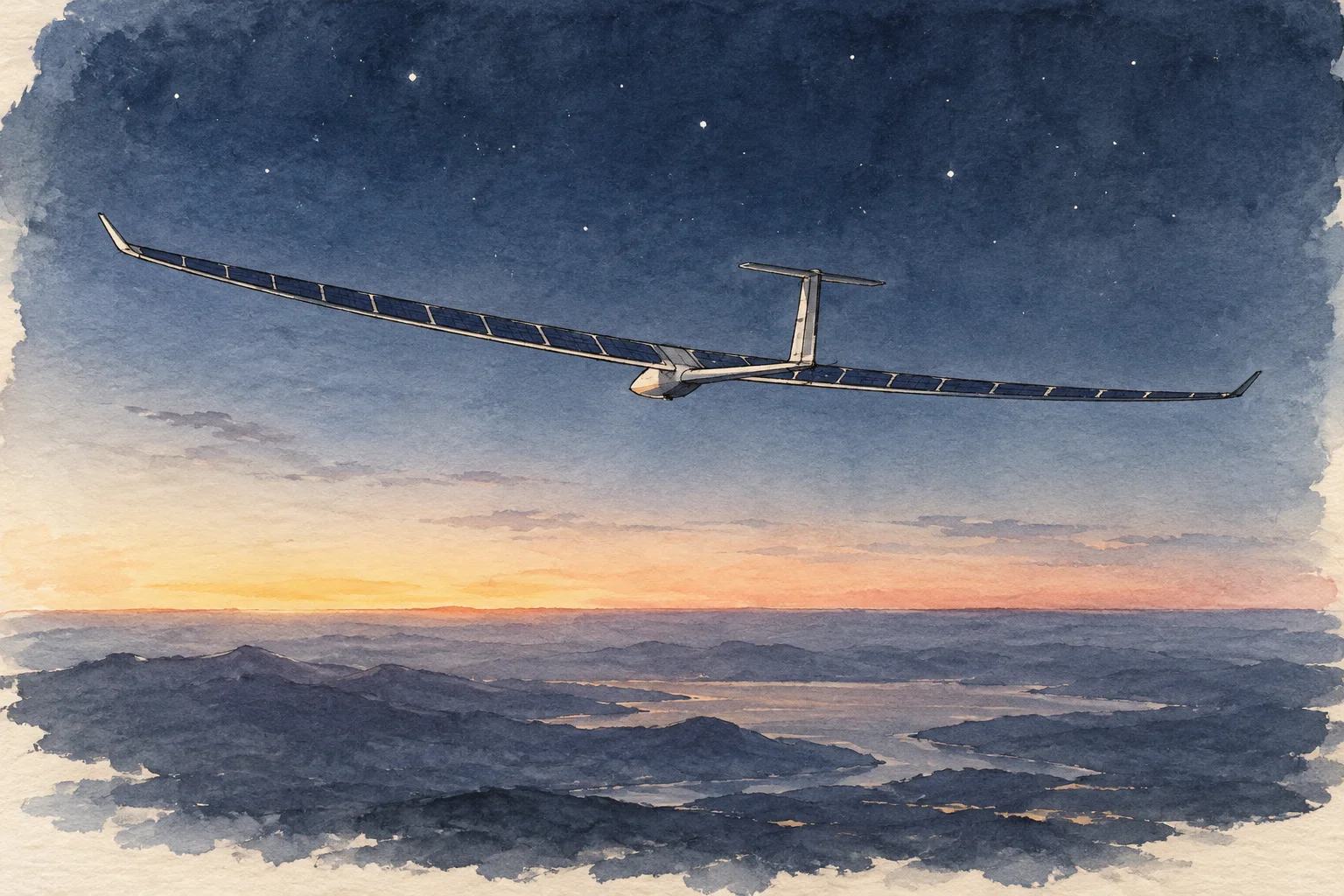
With a wingspan of about 30 metres, the aircraft generates electricity through solar panels during daylight and stores surplus energy in batteries to keep flying at night. During the wildfire-detection demonstration, its optical and infrared cameras located a test fire within seconds from an altitude of 14.4 kilometres. The system also demonstrated functions for tracking and predicting the movement of smoke and embers.
Aircraft operating this high could watch disaster areas for extended periods and relay communications where ground networks are limited. They can also return to the ground for repairs or equipment changes.
The technology is still being developed. Reliable winter flights require improvements because weaker sunlight limits battery charging. The agency plans further demonstrations of disaster monitoring and communications by 2030, with a longer-term ambition to extend flights to 100 days.