Science and discovery
A deep-sea robot finds traces of an explosive eruption in the Mariana Trench
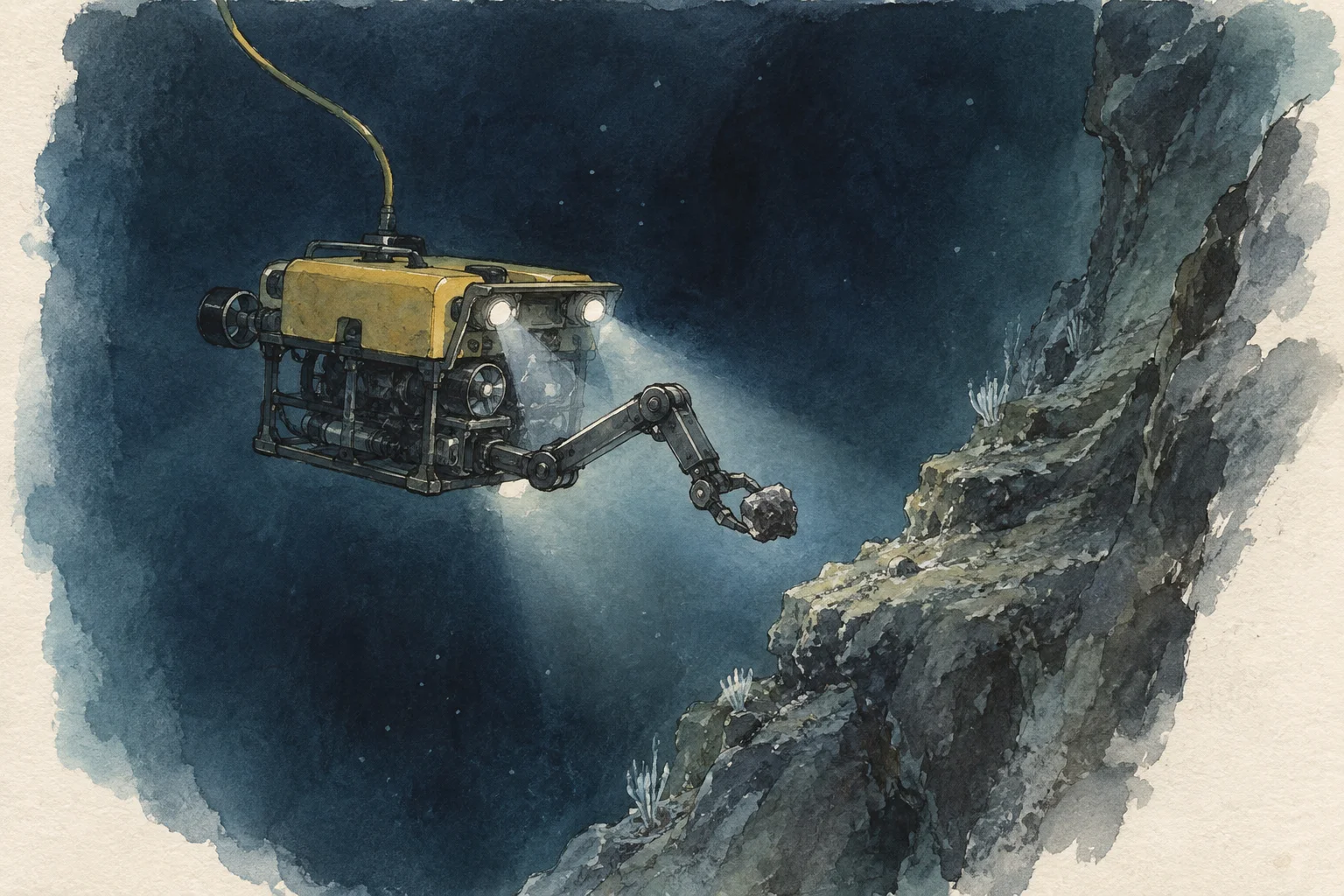
Scientists have recovered the deepest rock deposits yet linked to an explosive underwater eruption. The remotely operated submersible Jason/Medea collected the samples more than six kilometres below the western Pacific, on a trench wall near Challenger Deep.
During seven dives in late 2024, the team explored a roughly 300-kilometre stretch of the Mariana Trench. At a depth of 6,148 metres, the robot’s cameras captured the edge of a deposit left by a flow of hot volcanic debris. In the rocks it brought back, fragments of rock and volcanic glass had fused together. That texture suggests the debris travelled only a short way down the slope: when the fragments settled, they were still hot enough to stick.
The samples pose a puzzle. On land, gas bubbles expanding rapidly inside molten rock can tear it apart and drive an explosive eruption. Beneath six kilometres of water, the pressure leaves those bubbles little room to grow. The researchers, who reported their findings in Frontiers in Earth Science, have yet to locate the vent or establish exactly how the molten rock broke apart.
Sources
- LaRepublica.peBajo las aguas del Pacífico: un robot submarino halla rastros de la erupción explosiva más profunda del mundo cerca de la fosa de las Marianas
- The National Geographic SocietyWorld's Deepest Explosive Volcanic Eruption Just Discovered in an Oceanic Trench
- www.nationalgeographic.com.esEstudian la fosa de las Marianas y descubren las erupciones volcánicas explosivas más profundas jamás halladas
- www.frontiersin.orgRobot submarine exploring world’s deepest ocean trench finds unprecedented volcanic activity