Science and discovery
A fast-growing tobacco relative makes a cancer drug found in yew bark
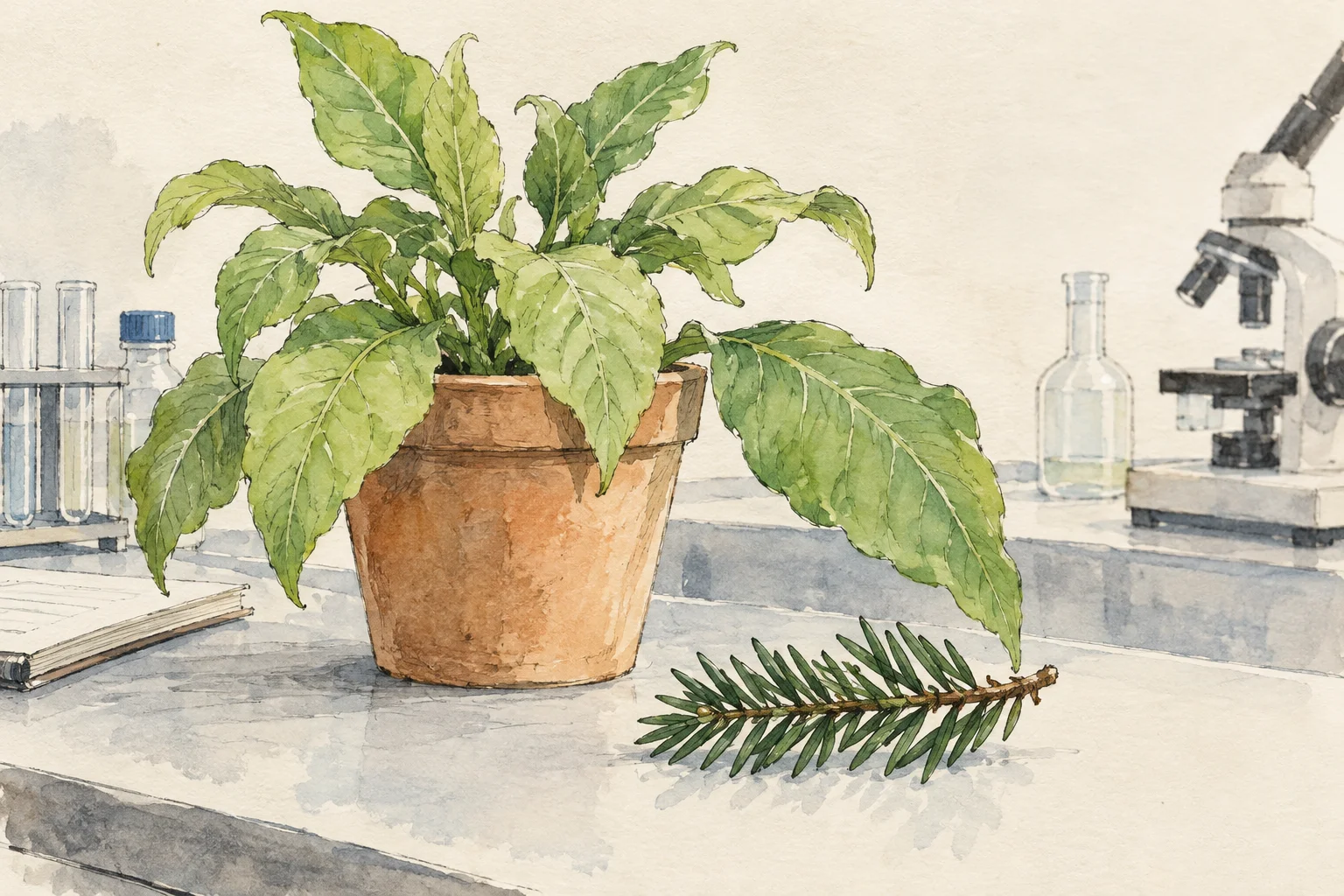
Researchers have worked out how the Pacific yew makes paclitaxel, a widely used chemotherapy drug, and shown that a fast-growing relative of tobacco can make it too. In laboratory tests, the leaves produced the drug at a concentration comparable to that found in yew bark.
Paclitaxel, also known as Taxol, is used to treat breast, ovarian and some lung cancers. Scientists first isolated it from the bark of the slow-growing Pacific yew, but stripping the bark can kill the tree. Manufacturers now rely on yew cells grown in culture or use a series of chemical reactions to turn related plant compounds into the drug.
A team led by researchers at the University of Copenhagen tested competing explanations for how the yew builds the complex molecule. Using yew genes in the tobacco relative, they checked what the plant produced at each stage until they had confirmed the full sequence. The team reported its findings in Nature Chemical Biology.
For greenhouse production to become practical, researchers still need plants that retain the yew genes permanently. With the sequence now established, they can also explore whether yeast grown in fermentation tanks could make the drug.
Sources
- EL PAÍSUna planta de tabaco, convertida en fábrica de uno de los fármacos contra el cáncer más importantes
- SWI swissinfo.chUna planta emparentada con la del tabaco permite crear un fármaco usado en quimioterapia
- EurekAlert!Recipe for one of the world's most important cancer drugs uncovered: Tobacco plants could produce the medicine