science and discovery
A new ‘speech clock’ finds clues to brain ageing
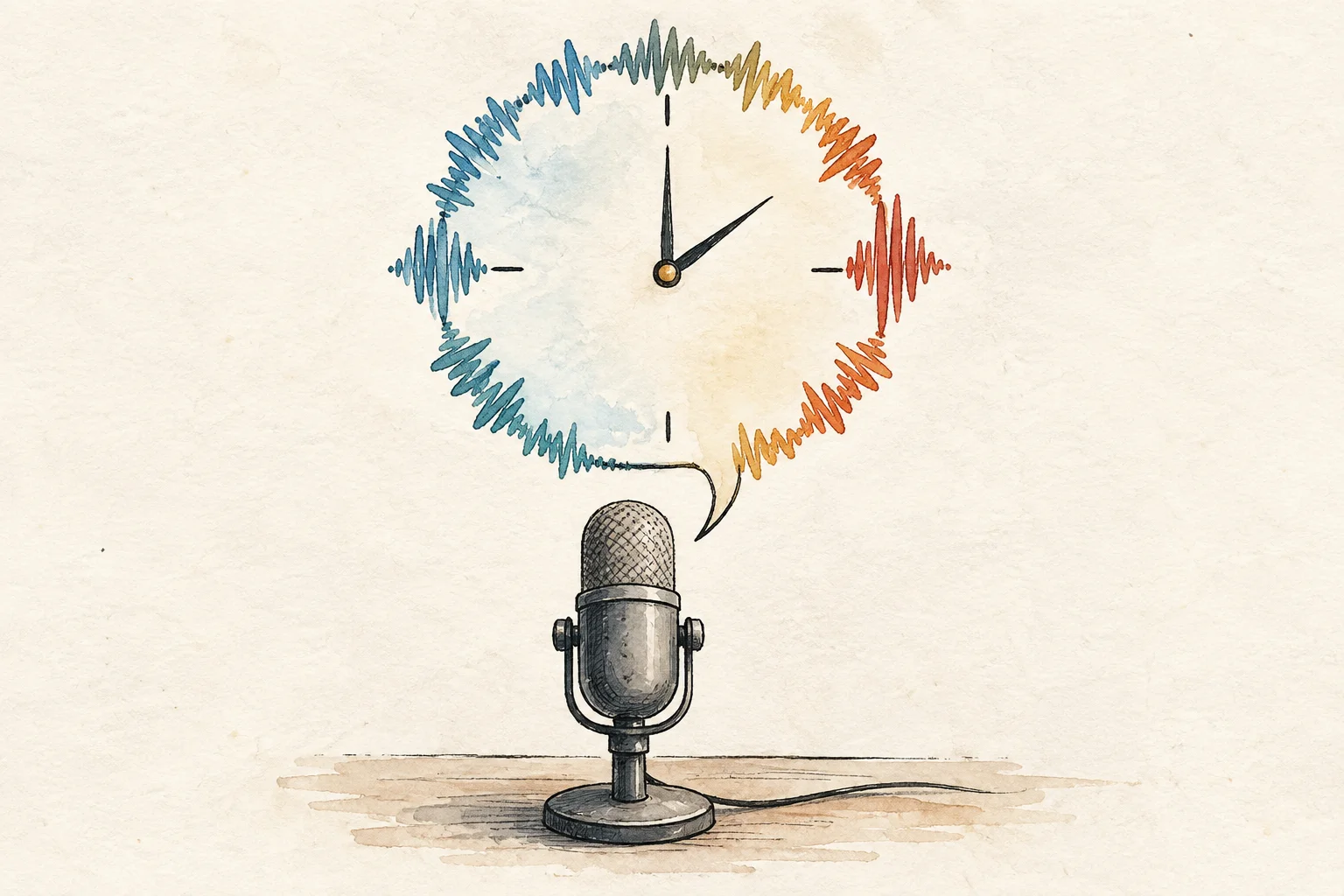
Scientists have developed a “speech clock” that estimates a person’s age from short recordings, revealing patterns associated with cognitive health and biological ageing.
The study, published in Science Advances, analysed recordings from 2,928 Spanish-speaking adults in Argentina, Chile, Colombia, Mexico and Peru. Participants included healthy people and others with mild cognitive impairment, Alzheimer’s disease or other dementias. Researchers used machine learning to combine more than 700 features, including pitch, speaking speed, pauses and vocabulary, into an age estimate.
When that estimate was higher than someone’s actual age, the gap was associated with poorer memory and thinking skills, as well as independent measures of brain and biological ageing. Healthy participants generally had smaller gaps between their estimated speech age and actual age.
Recording speech is non-invasive and can be done remotely, repeatedly and at low cost. That could make the approach valuable in communities where advanced testing is difficult to access. The research also draws on a region historically underrepresented in dementia studies.
The tool is not a dementia diagnostic test, and the study does not establish whether it can predict future cognitive decline. Researchers still need to follow people over time and validate the approach in other languages, cultures and more natural speaking settings before it can be used in clinical care.