Science and discovery
At nearly 200, Jonathan the tortoise offers new clues to ageing
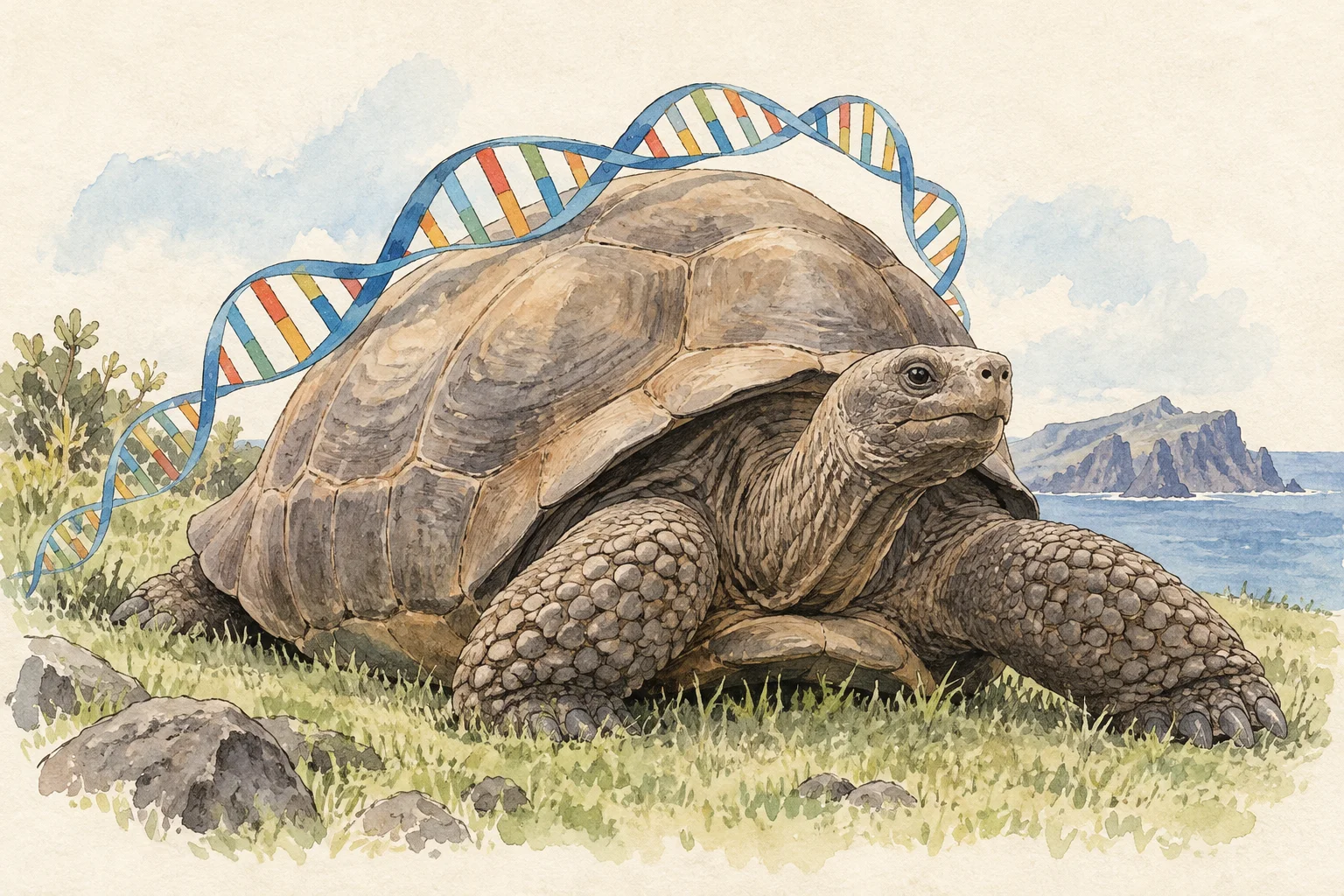
Scientists have sequenced the genome of Jonathan, a giant tortoise believed to be 194, uncovering genetic clues that could help explain his extraordinary longevity.
The world’s oldest known living land animal lives on Saint Helena, an island in the South Atlantic. Researchers collected his DNA using mouth swabs, avoiding blood sampling because of concerns about infection.
The study, published in Science Advances, compared chemical markers on Jonathan’s DNA with those of four other giant tortoises. These markers help control which genes are active. Most of Jonathan’s patterns reflected his age, but some associated with mitochondria, the tiny structures that supply cells with energy, resembled those of much younger animals.
That finding is particularly intriguing because declining mitochondrial function is strongly linked to ageing and age-related diseases. Researchers also identified genetic variants associated with DNA repair and protection against cancer, adding to the biological clues worth investigating.
The results do not prove why Jonathan has lived so long. With only one exceptionally old tortoise studied, researchers cannot yet tell whether these traits are unusual or shared by other long-lived tortoises. His carefully managed diet and environment may also have contributed.
The next step is to test whether the youthful-looking chemical patterns actually help preserve cell function. Any application to human treatments remains a distant possibility, not a demonstrated benefit.
Sources
- The GuardianJonathan the giant tortoise, 194, offers up insight into secrets of longevity
- EL PAÍSLa tortuga 'Jonathan' tiene 194 años y en sus genes se esconden los secretos de la longevidad
- The TelegraphDNA from world's oldest tortoise may hold key to human ageing
- Der TagesspiegelAltersforschung: 194-jährige Schildkröte: Was Jonathan übers Altern verrät
- The Straits TimesA 194-year-old tortoise, world's oldest land animal, may hold clues to longer life