Science and discovery
Dolphin-mounted cameras reveal upside-down hunting
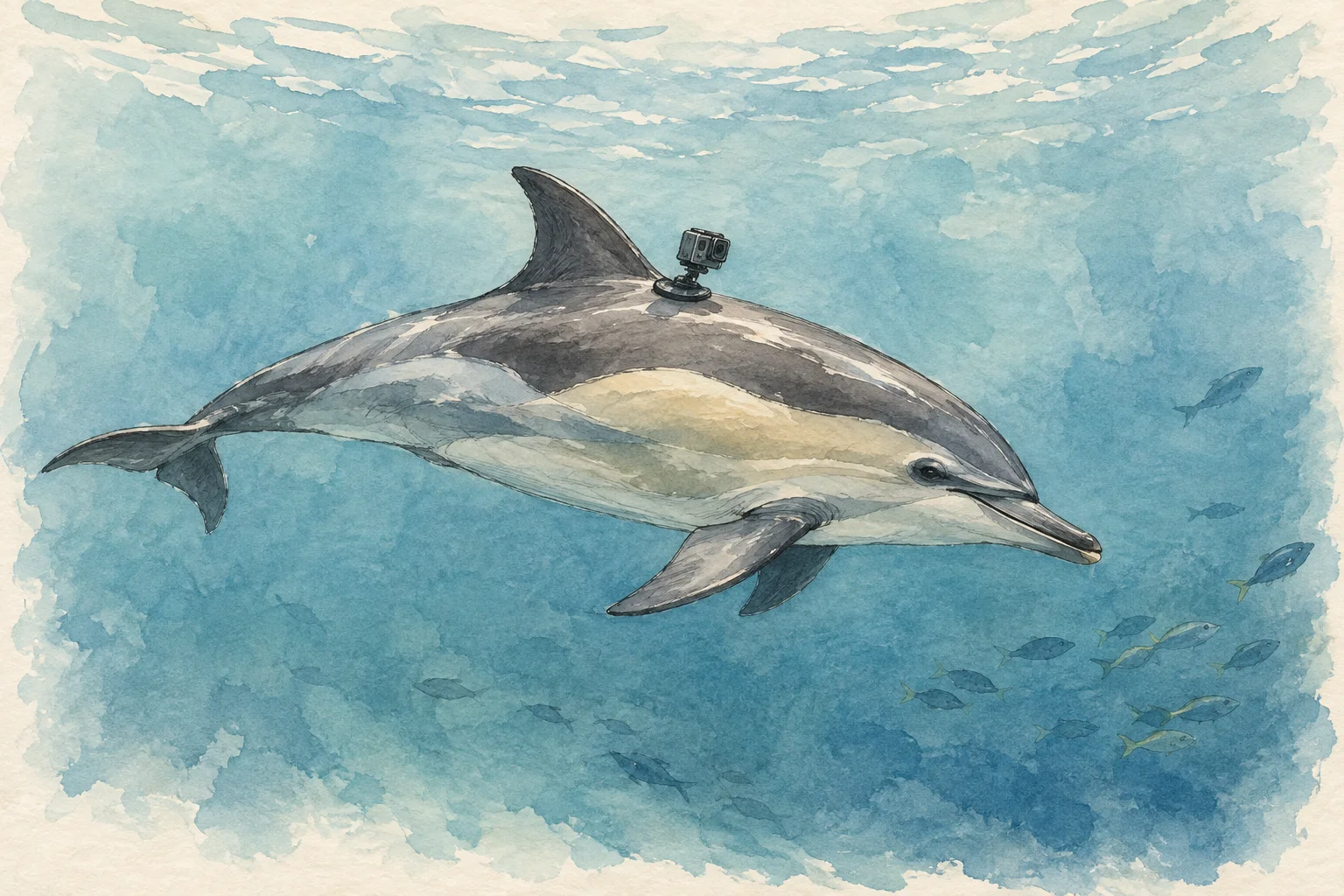
Scientists at France’s marine research institute, Ifremer, have recorded common dolphins hunting upside down and feeding alongside bluefin tuna, using cameras attached to the animals’ backs. The footage offers a new way to investigate why dolphins become trapped in fishing nets.
Presented on 29 October, the recordings came from September trials in the Bay of Biscay. The researchers describe the work as the first camera deployment on common dolphins. Small devices are placed ahead of the dorsal fin using a pole and attached with suction cups. They record images, sound and diving depth, then detach after a few hours and float to the surface, transmitting a signal for retrieval.
The recordings revealed dives beyond 60 metres and dolphins turning upside down near the seabed. Researchers now want to find out whether animals in that position can see fishing nets laid on the bottom.
Thousands of dolphins are accidentally caught in the bay each year, especially in winter. Better knowledge of their feeding habits could guide work with fishers on more visible nets, acoustic warning devices or modified fishing gear. These are possibilities to investigate, not solutions proven by the footage. The team is still analysing the data and seeking funding for further missions, including winter observations.
Sources
- BFMTVDes caméras déployées pour la première fois sur le dos de dauphins
- France 3 Grand EstDes caméras embarquées sur le dos des dauphins : l'expérimentation inédite de l'Ifremer de Nantes pour éviter les captures accidentelles
- www.ici.frCaptures accidentelles de dauphins : des caméras installées pour comprendre leur comportement dans le golfe de Gascogne - ICI