Human achievement
Four volunteers complete a 378-day Mars rehearsal on Earth
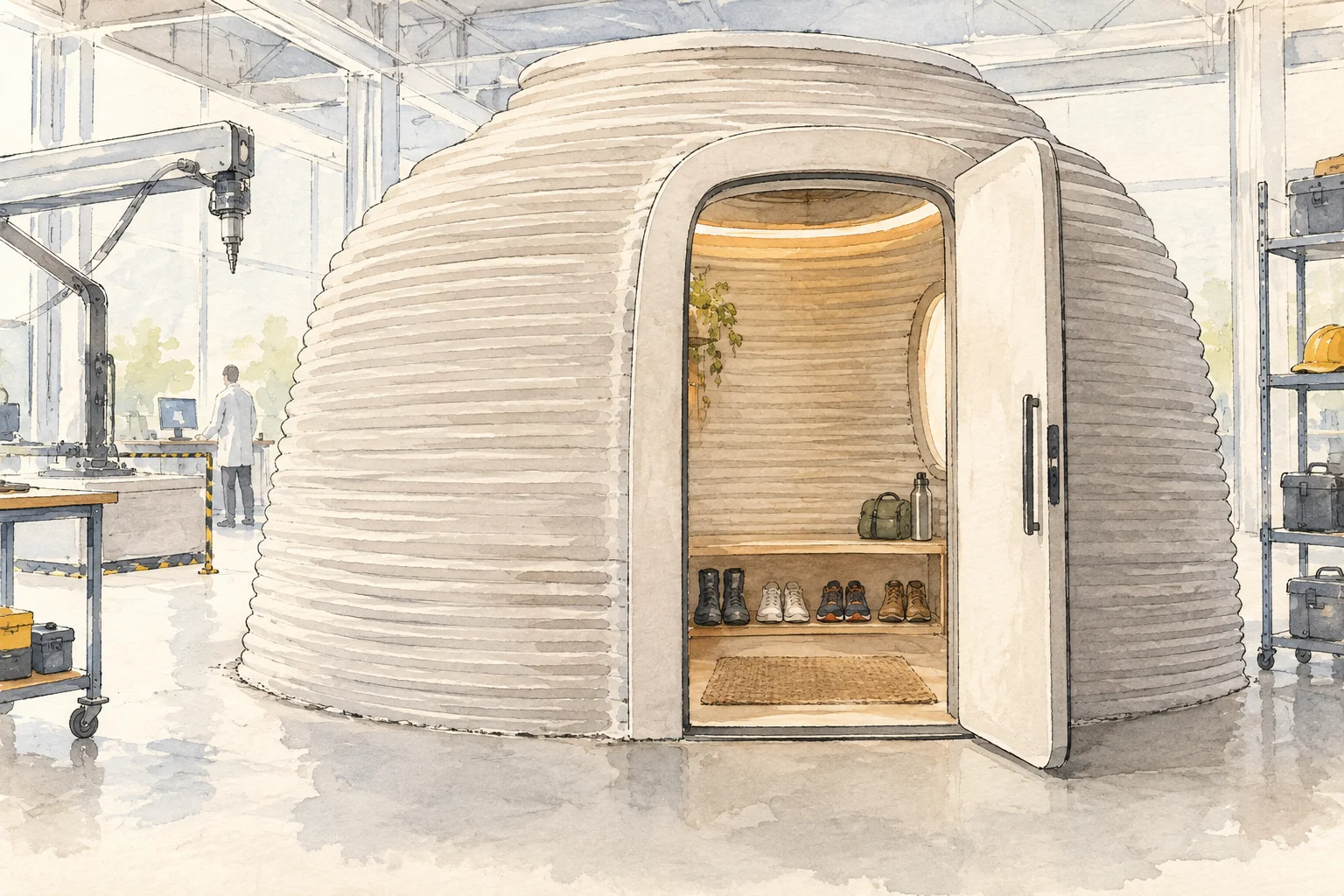
Four research volunteers completed 378 days in isolation on 31 October, emerging from a 3D-printed habitat at NASA’s Johnson Space Center in Houston. The team finished the agency’s second CHAPEA mission, a long-duration rehearsal for living and working on Mars.
Inside the 158-square-metre habitat, the crew grew crops, maintained their living space, exercised and carried out simulated Marswalks while managing limited resources. Researchers collected information on activities ranging from scientific work and maintenance to meals and sleep, seeking to understand how people adapt to demanding routines over more than a year.
One important challenge was communication. The simulation included 22-minute delays, preventing the kind of instant conversation with mission control that astronauts closer to Earth can rely on. NASA says working with those delays requires patience, careful planning and greater independence.
There was also room for ordinary pleasures. Science officer Matthew Montgomery said a shared interest in films helped the crew bond, while their varied skills proved valuable when they had to rely on one another.
The crew is scheduled for two weeks of post-mission evaluations and debriefings. Completing the rehearsal is a milestone, rather than proof that people are ready for Mars: its scientific value lies in helping NASA understand how to keep future crews healthy, productive and connected far from Earth.