Technology and innovation
Solar overtakes nuclear in global electricity generation
Solar power overtook nuclear in global electricity generation in 2025, according to data from energy think tank Ember reported by the BBC. It also met three-quarters of the growth in world electricity demand that year. Nuclear output has remained broadly steady since 2000, while solar has expanded rapidly.
Falling costs help explain the change. Large-scale manufacturing in China, more efficient panels and reduced material use have driven prices down, making solar attractive well beyond the wealthiest countries.
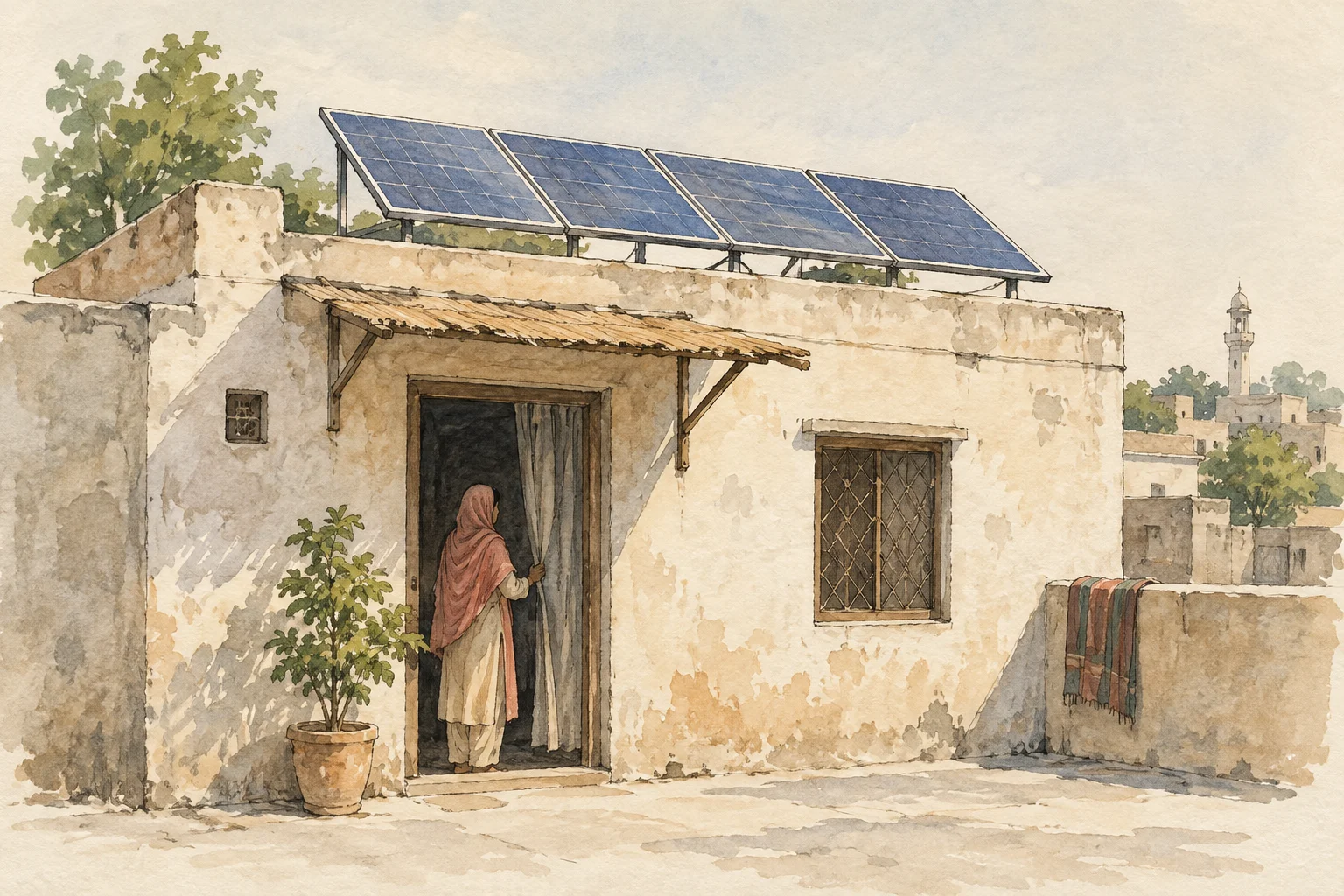
In Pakistan, solar’s share of electricity rose from less than 2% in 2019 to 24%, as households turned to cheaper panels amid expensive, unreliable grid power. In Australia, more than four million homes have rooftop solar, well over a third of households.
Cheaper batteries are extending solar’s usefulness beyond daylight. In California, solar and batteries together met, on average, more than a quarter of electricity demand during the 7pm to 9pm evening peak in the first half of 2026.
The progress comes with limits: storing energy through prolonged cloudy periods or across seasons remains difficult. Electricity networks and storage still need to keep pace with installations so that more of solar’s growing output can be used reliably.