Health and healing
Indian households’ share of health spending drops sharply
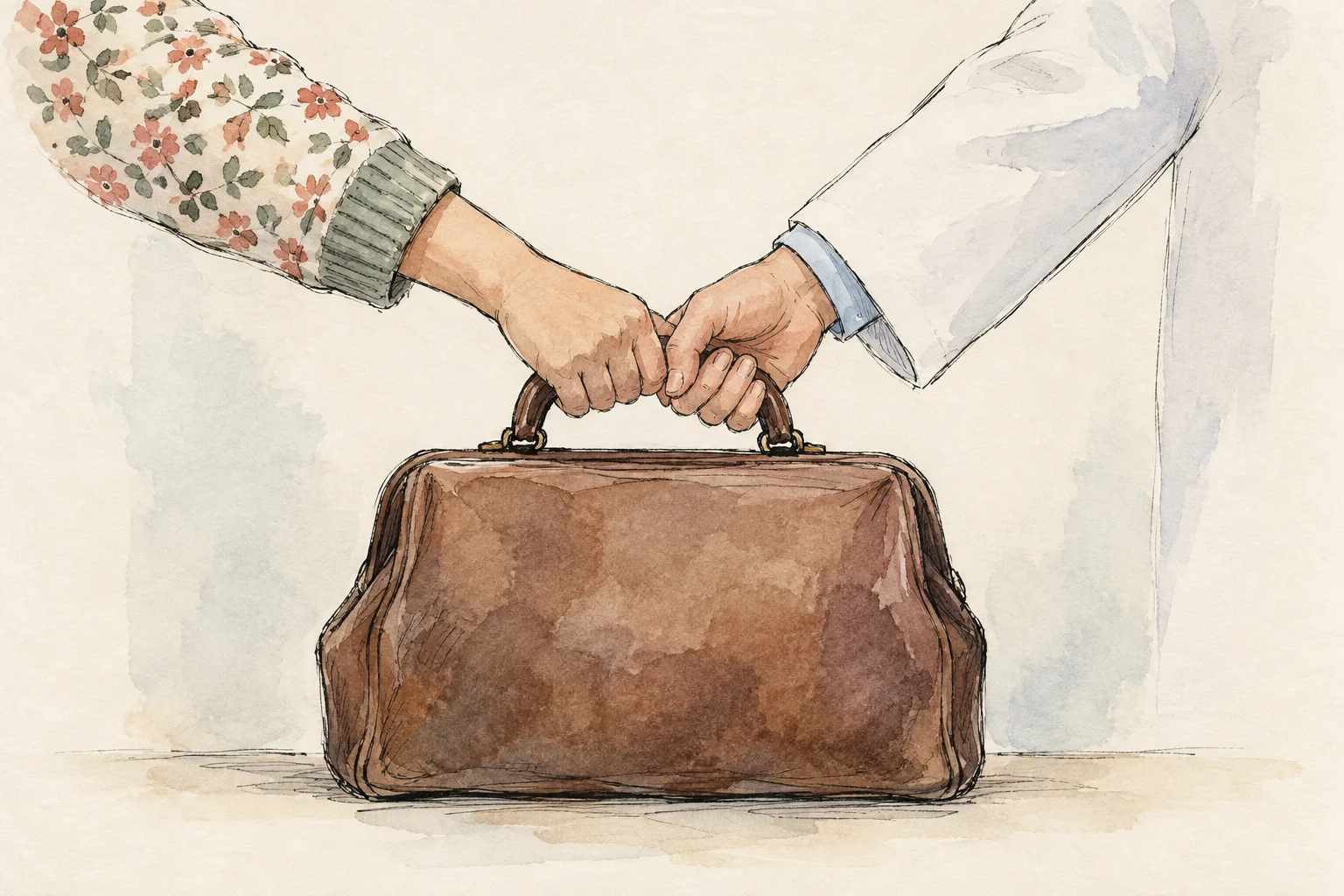
Indian households’ share of the country’s healthcare bill fell from 64.2% in 2013-14 to 42.7% in 2023-24, according to newly released National Health Accounts estimates. The change marks a substantial shift away from relying on families to pay directly for treatment.
Over the same decade, government health spending rose from 1.30 trillion to 4.14 trillion rupees. Public funding accounted for 43.5% of total health expenditure in 2023-24, slightly more than households’ direct payments.
Part of that investment supports care within communities. Government funding for primary healthcare totalled 1.53 trillion rupees, supporting the expansion of local health centres offering preventive services, disease screening, medicines and diagnostic tests. Insurance also played a growing role: private health insurance accounted for 10.2% of total spending, up from 3.4% a decade earlier.
The gains need perspective. A smaller household share does not necessarily mean lower medical bills for individual families. Households still paid 4.06 trillion rupees directly for healthcare in 2023-24, and their share of spending varied considerably between states. But the national figures show public resources carrying more of the cost of care.