Science and discovery
Scientists map how Andes virus grips human cells
Scientists have mapped how Andes hantavirus attaches to human cells, revealing a deep pocket in its surface protein that could become a target for future treatments.
The study, published in Nature on October 21, brought together researchers at Albert Einstein College of Medicine, Institut Pasteur and LSU Health Shreveport. Scientists already knew that the virus uses a cell-surface protein called PCDH1 to gain entry. The new work shows precisely how the two connect.
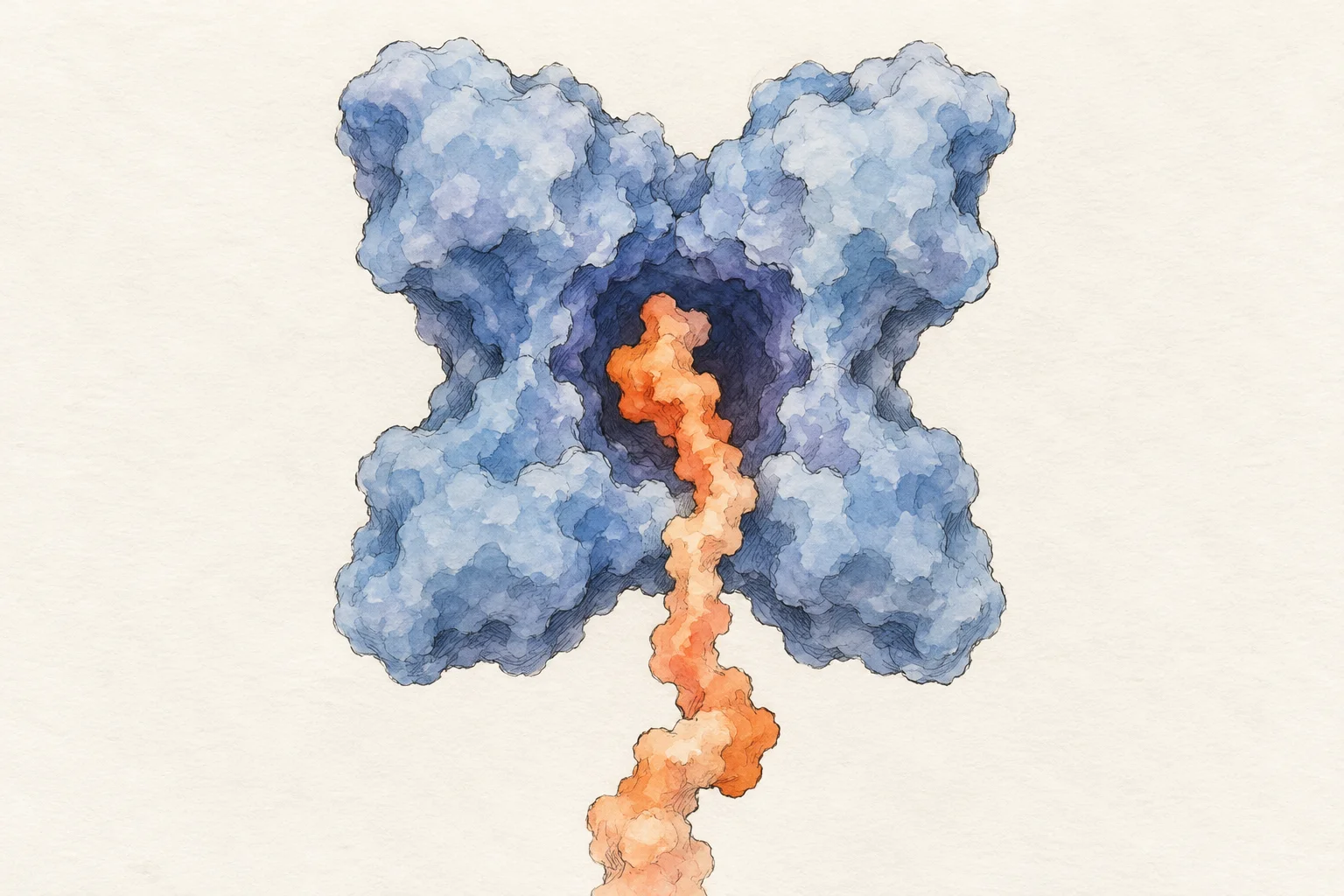
Using high-resolution microscopy, the team found that the long, slender PCDH1 protein reaches into a pocket at the centre of the virus’s square-shaped spike. Experiments that made precise changes to viral proteins helped confirm which parts were essential for attachment. Some of this testing used a safer research system that does not require infectious hantavirus.
The pocket’s shape also helps explain a challenge for the immune system: most antibodies are too bulky to reach deeply inside. Some antibodies from people infected with hantavirus could block the pocket’s entrance, but could not reach as far in as PCDH1.
That difference suggests a possible approach: designing long, thin molecules to occupy the pocket and stop the virus attaching. No new medicine or vaccine has resulted from the study, and the approach still needs testing. But for a virus with no approved treatment, the findings give researchers a clearer place to focus their efforts.