Science and discovery
Scientists trace hydrogen in the gaps between metal atoms
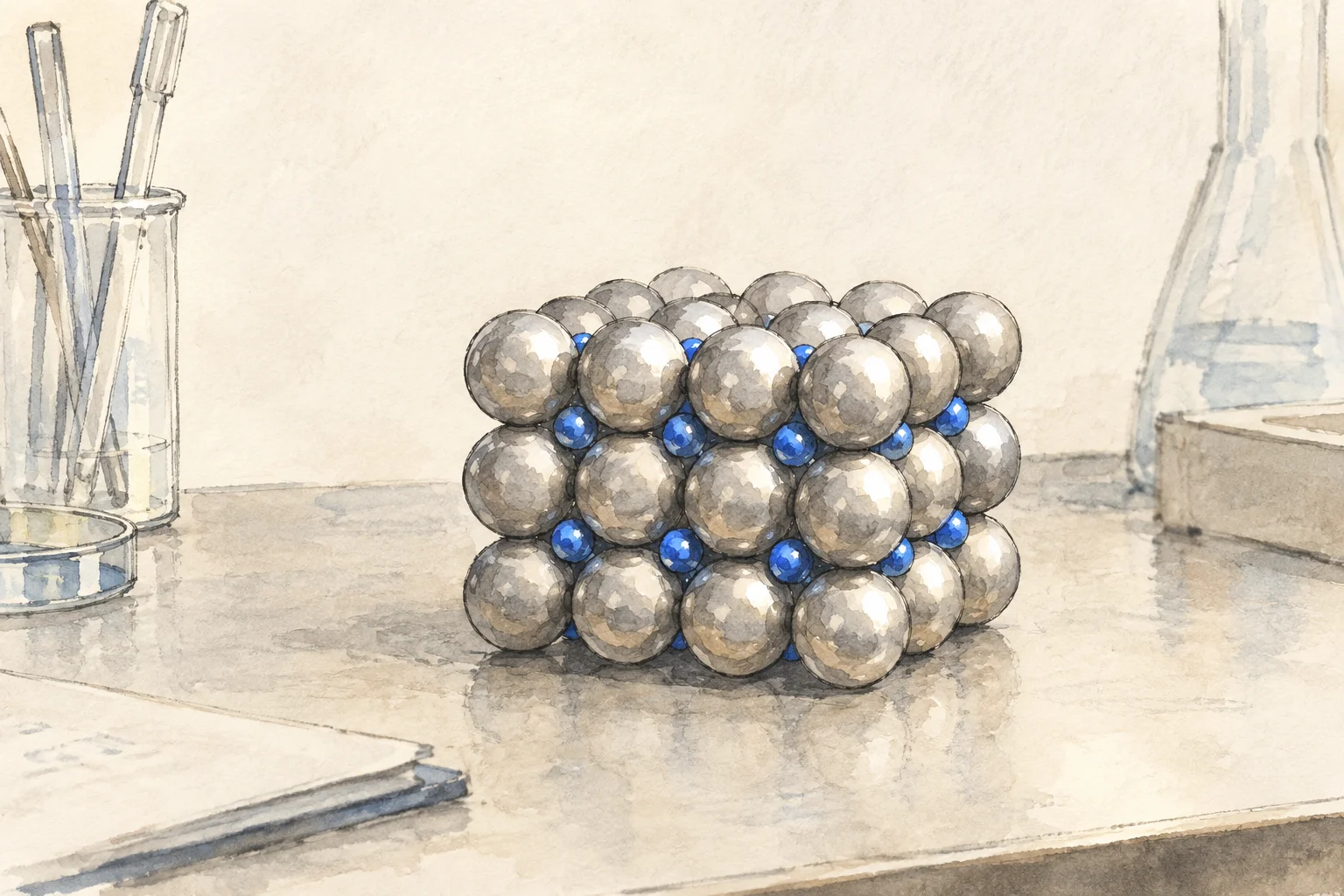
Researchers have mapped a heavier form of hydrogen inside metal alloys, finding evidence that it occupies the tiny spaces between atoms rather than only gathering at structural defects.
Hydrogen can make strong metals brittle and prone to cracking, a concern for equipment used to store and transport it. Yet its atoms move so readily that they can escape samples before scientists measure them.
For the study, published in Nature, a University of Sydney-led team used deuterium, a heavier form of hydrogen, to help distinguish the experimental signal from hydrogen already present in the instrument. They cooled samples in liquid nitrogen to limit atom loss, then used atom probe tomography, a technique that builds three-dimensional maps of elements at extremely small scales.
The maps repeatedly showed deuterium concentrating in regions whose chemistry and atomic arrangement were predicted to hold hydrogen more strongly. The researchers also detected differences between neighbouring regions in a nickel-based alloy, matching theoretical predictions about their ability to retain hydrogen.
Additional tests supported the interpretation that most of the detected deuterium occupied spaces between atoms. A small contribution from hidden defects could not be ruled out. The advance gives scientists a way to investigate a previously elusive state of hydrogen, helping connect calculations about its behaviour with experimental evidence.