technology and innovation
A giant carbon dioxide energy store joins China’s grid
China’s first 100-megawatt-scale energy storage project using compressed carbon dioxide has connected to the electricity grid in Mulei, Xinjiang, offering a large new way to save surplus power for periods of high demand.
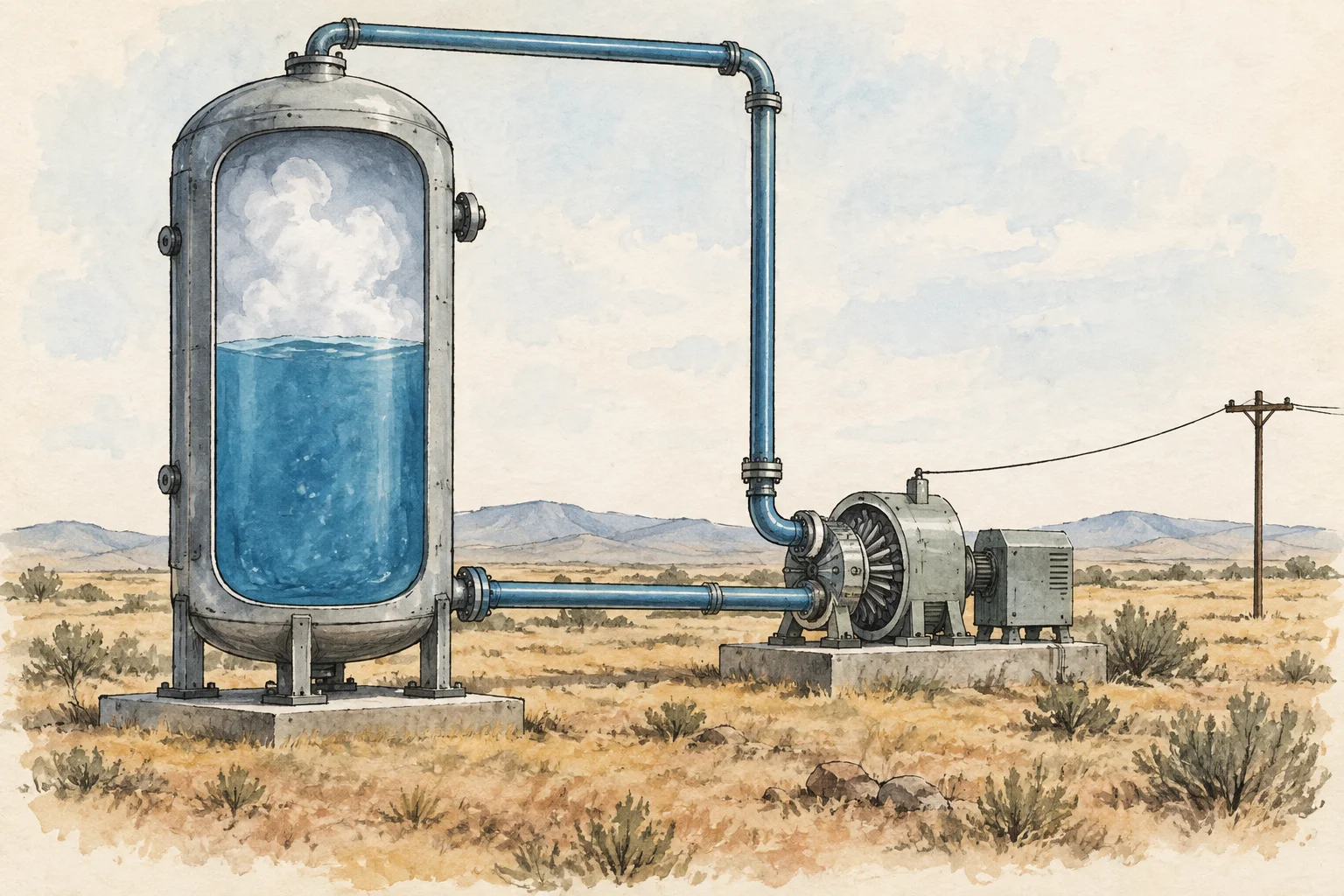
The Huadian facility is designed to store 1,000 megawatt-hours of energy. Instead of using conventional batteries, it cycles carbon dioxide between gas and liquid inside a sealed system. When electricity demand is low, surplus power drives compressors that squeeze the gas. The resulting heat is saved, while the carbon dioxide is cooled into liquid for storage.
When power is needed, the process reverses: the liquid is turned back into gas and warmed using the stored heat. The hot, pressurised gas then drives a turbine to generate electricity.
The system does not depend on particular geological conditions, widening the options for where it can be built. Its reported specifications include a design life of at least 30 years and a start-up time of under 20 minutes to reach full output.
Once fully operational, the project is expected to deliver 180 million kilowatt-hours of electricity during peak-demand periods each year. Project representatives also estimate annual carbon dioxide emissions savings of about 170,000 tonnes, although these remain projections rather than reported operating results.