nature thriving
Australia’s bogong moth swarms offer hope of recovery
Sightings of endangered bogong moths have surged across south-eastern Australia, offering researchers an encouraging sign after a devastating population collapse.
Since the start of September, Zoos Victoria’s Moth Tracker has received 4,000 public submissions. Researchers have checked more than 1,850 and confirmed over 1,600 as bogong moth sightings, surpassing the 1,089 verified in 2024, the project’s previous best year.
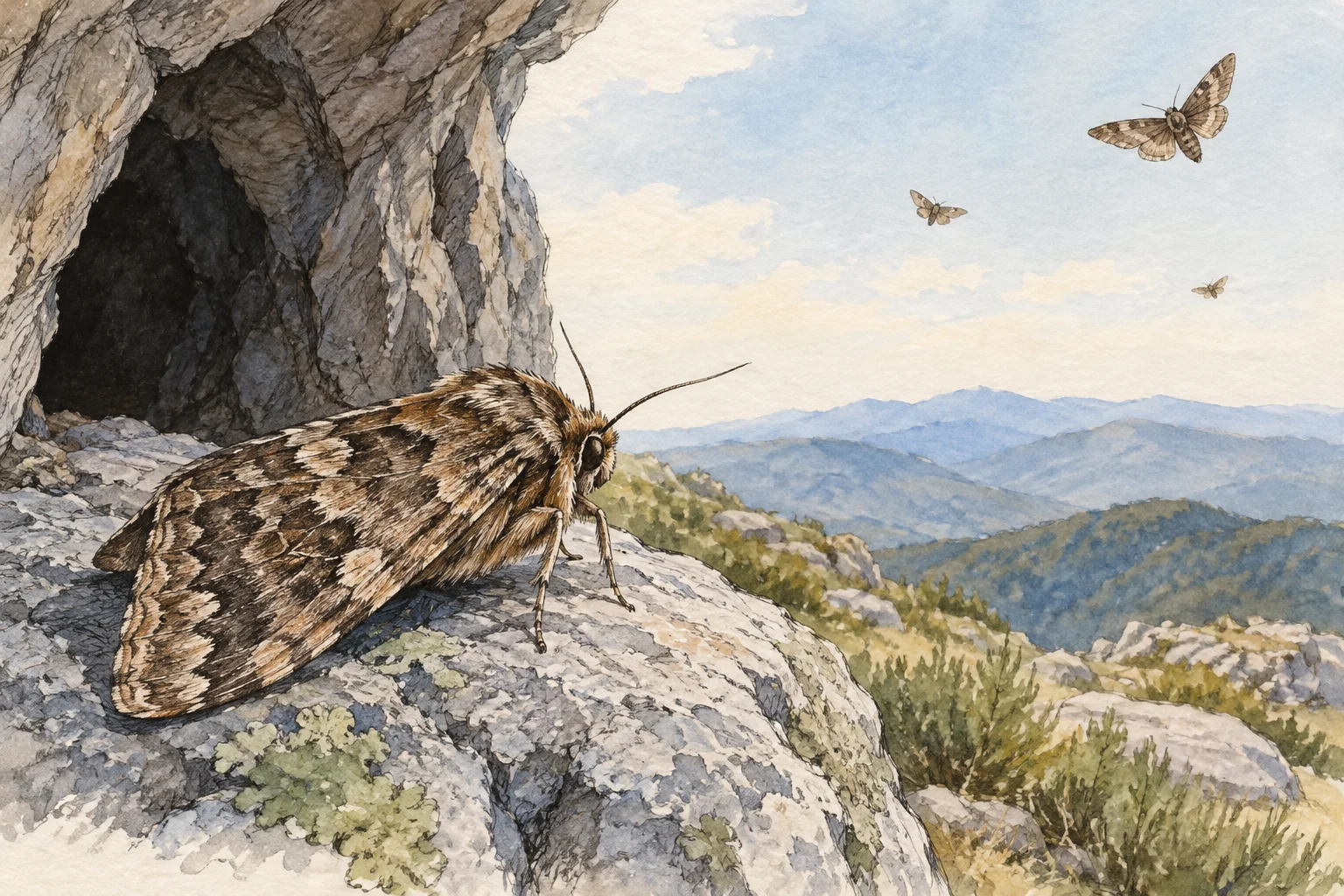
Each spring, the moths travel up to 1,000 kilometres to cool caves in the Australian Alps, where they shelter from summer heat. They pollinate plants along their migration route and provide a vital food source for the critically endangered mountain pygmy possum.
The moth population collapsed by an estimated 99.5% between 2017 and 2019. Researchers think favourable rainfall in some breeding areas may have helped this season, while winds have pushed some migrating moths towards the coast. The biggest numbers are being reported in New South Wales and the Australian Capital Territory, with Victoria lagging behind.
The surge is not proof of a full recovery. Bogong moths remain endangered, facing threats including habitat loss, artificial light and climate change. But the sightings give scientists reason for cautious hope, and residents a chance to help: switch off unnecessary outdoor lights, avoid insecticides and record sightings through Moth Tracker or Bogong Watch. Moths found indoors can be gently returned outside to continue their journey.
Sources
- The Guardian'Thrilled': huge swarms of bogong moths surprise NSW residents and may point to species' recovery
- SBS'A story of hope': Bogong Moths swarming the east coast are exciting researchers
- Post and CourierMoth Swarms Sweep Across Australia. That's Good News.
- Yahoo!7 NewsAussies warned not to make common mistake as thousands of moths swarm
- Australian Broadcasting CorporationWhat's with all the moths in Australia's south-east?