science and discovery
Webb finds dusty clues to collisions that build planets
Astronomers using the James Webb Space Telescope have identified mineral clues to giant collisions around other stars, offering a clearer view of how rocky planets take shape.
Combining Webb observations with data from the retired Spitzer telescope, the team studied 21 star systems with unusually large amounts of warm dust. These rare dust disks occupy regions comparable to where Earth and the other rocky planets orbit the Sun.
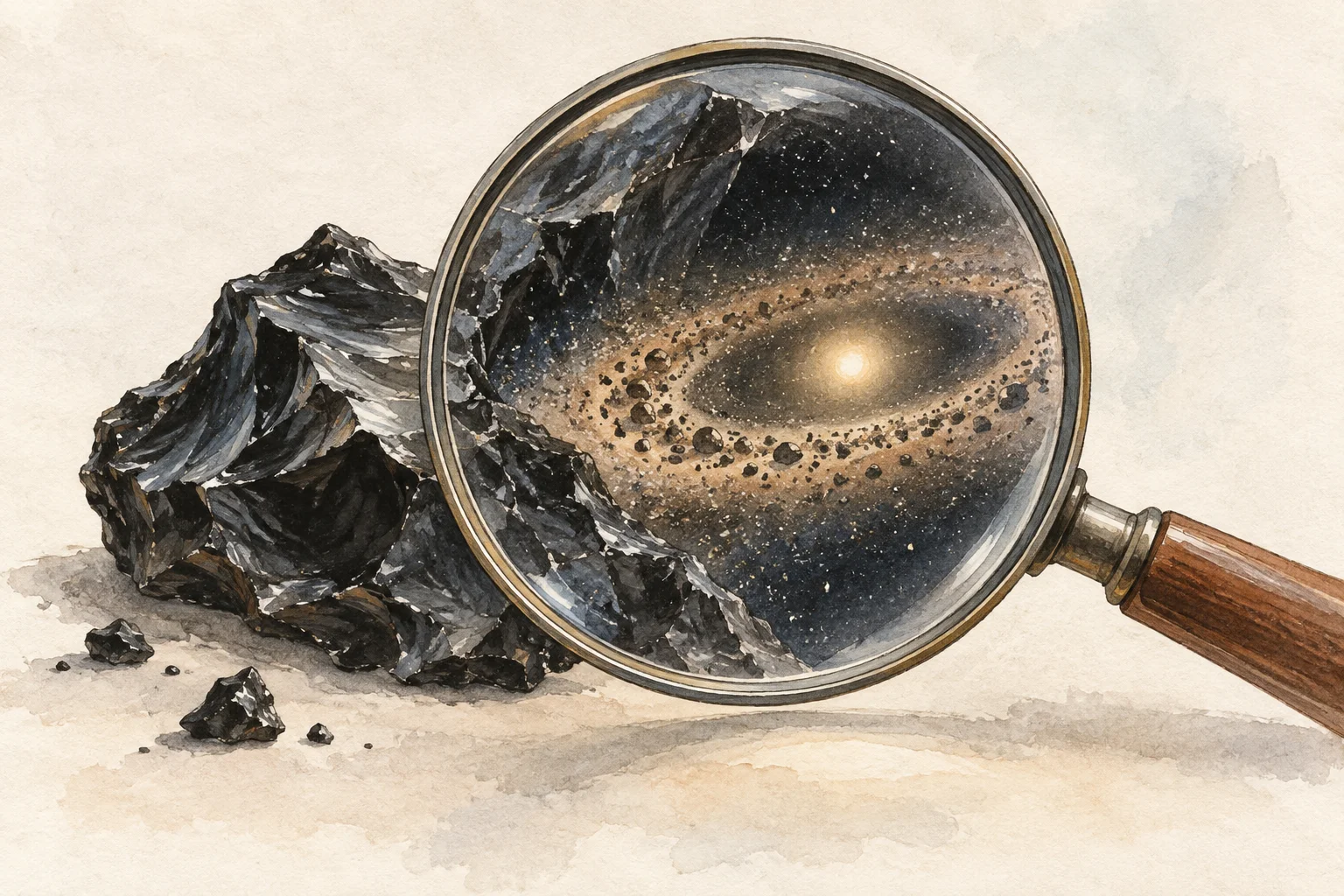
Infrared light revealed two broad types of debris. Some disks contain abundant silica, a substance found in volcanic glass such as obsidian. Researchers interpret this as evidence of impacts powerful enough to vaporize rock, likely involving Mars-sized bodies. Other disks contain little silica and may come from smaller or glancing collisions between bodies closer to the Moon’s size.
That distinction offers clues to our own beginnings: scientists think the Moon formed after a Mars-sized object struck the young Earth. The dust lets researchers investigate similar upheavals elsewhere without seeing the colliding bodies directly.
The silica-rich disks appeared only around stars younger than about 300 million years, consistent with models of when rocky planets form. However, only three systems in the sample were older than that, so more observations are needed to test whether the most energetic collisions really fade with age.